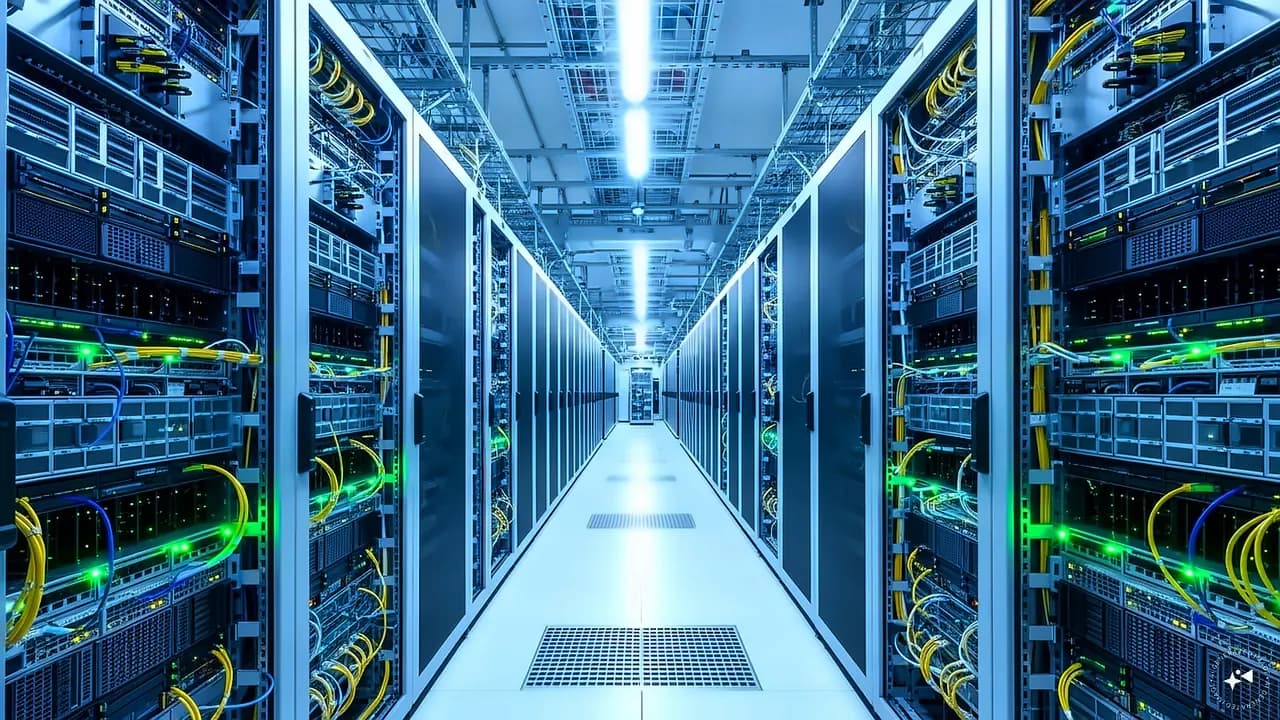
The artificial intelligence revolution is creating unprecedented challenges for traditional computing infrastructure, with global electricity consumption by data centres expected to double by 2030. According to reports from Bloomberg, AI data centres have reached what experts describe as an 'energy wall', where each new generation of AI models requires more computing capacity while each new AI chip consumes additional electricity and generates more heat. By 2050, data centres could account for around one-tenth of global electricity consumption if current trends continue. This surge in demand is forcing the industry to rethink where future computing infrastructure should be located, with space emerging as one of the possibilities for orbital data centres. The crisis is now becoming more acute as companies around the world race to secure computing infrastructure for training and running large AI models, a market increasingly constrained by power, chips and available data centre space.
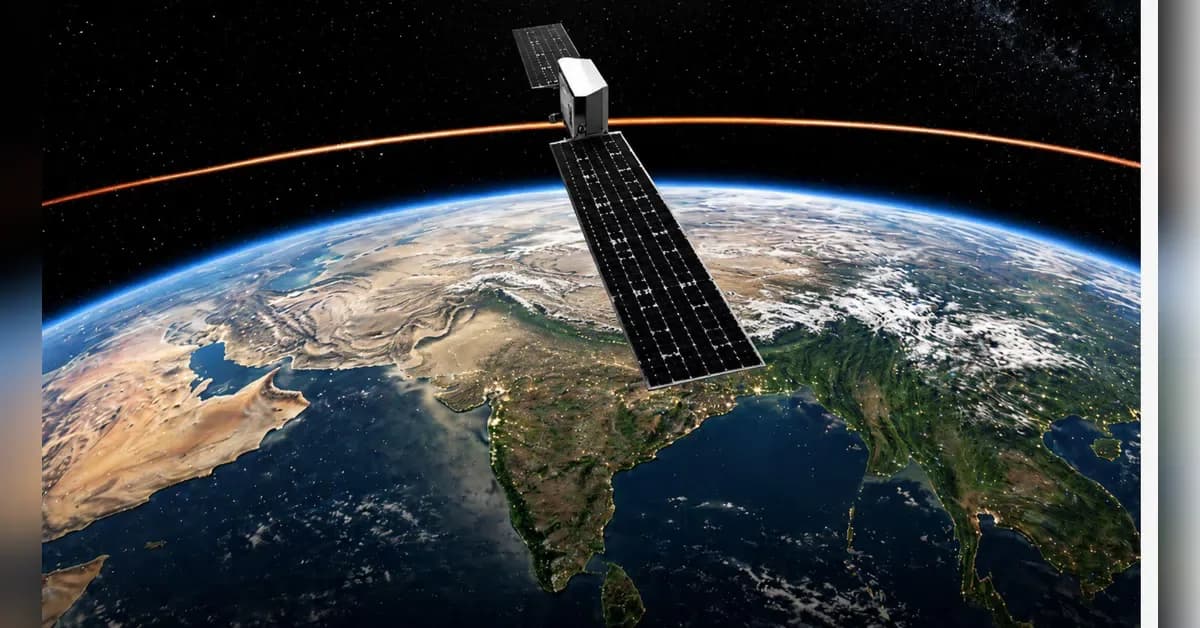
Space offers several compelling advantages for AI computing that traditional terrestrial facilities cannot match. As reported by Bloomberg, orbital data centres would not face many of the land acquisition challenges, permitting delays and energy constraints that affect terrestrial facilities. The concept relies on uninterrupted access to solar energy for much of the time, extremely cold surroundings for thermal management and virtually unlimited room for expansion. Companies envision satellites equipped with massive solar arrays that would power AI chips in orbit, with user requests transmitted from Earth through laser links and processed by interconnected satellites before results are sent back to Earth in milliseconds. According to NDTV, supporters argue space-based infrastructure could benefit from continuous solar power and free cooling, potentially reducing dependence on conventional electricity grids. The Solar Energy Industries Association released a report detailing how the U.S.'s AI leaders are investing billions of dollars into solar energy, with solar power as an AI data centre power source putting less strain on the electric grid.
Despite the theoretical advantages, building orbital AI data centres presents significant technical hurdles that engineers must overcome. As reported by CNBC, today's space-based data centre projects remain largely experimental, with companies trying to determine whether the concept can become economically viable rather than simply technically feasible. The first challenge is electricity, as AI servers consume enormous amounts of energy and future orbital data centres would require continuous power to keep thousands of processors running. Cooling computers without air presents another major challenge, as outer space is extremely cold but lacks air to carry heat away from electronic components. Companies are developing specially designed radiators capable of drawing heat away from AI processors and releasing it into space through thermal radiation. According to Bloomberg, thermal management continues to be among the major obstacles preventing large-scale deployment of space-based data centres.
The race to build space-based data centres has expanded beyond startups to include major technology and space companies. According to reports from CNCB, SpaceX, Blue Origin and Google are among the companies exploring orbital computing infrastructure. Blue Origin has proposed launching 51,600 data centre satellites under its Project Sunrise initiative, with deployment expected to begin in 2027. Jeff Bezos has described building data centres in space as 'very realistic', though he cautioned that timelines of two or three years are likely too ambitious. Elon Musk has his eyes set on solar-powered AI data centres for SpaceX, with the company's fully reusable Starship expected to lower costs further if it becomes commercially operational. The economics of orbital data centres are becoming more realistic as launch costs decline, with partially reusable rockets such as SpaceX's Falcon 9 already reducing costs.
India is actively participating in the development of orbital AI computing infrastructure as part of its broader technological ambitions. According to reports from Moneycontrol, several Indian startups are exploring orbital data centres as demand for AI infrastructure accelerates globally. Their objective extends beyond technological innovation to building sovereign computing infrastructure that reduces dependence on foreign cloud providers. In May 2026, AI startup Sarvam AI partnered with spacetech company Pixxel to develop Pathfinder, which the companies describe as India's first orbital data centre satellite. While Pixxel will build and operate the satellite, Sarvam AI will provide the AI stack, enabling both model training and inference directly in orbit. This project aims to process AI workloads in space using India-built models, reducing dependence on foreign cloud infrastructure.