Google has committed to purchasing power from what will be the largest solar facility in the US when construction completes in 2029. The Steel River Energy Center in Mississippi County, Arkansas, will generate 2.5GW at peak performance once operational, with the facility also adding 2.9GWh of energy storage capacity to the regional grid. The project distinguishes itself through its commitment to domestic manufacturing, with the facility using structural steel manufactured entirely within Mississippi County, Arkansas. Google's annual energy consumption exceeds that of more than half the world's individual countries, driven by data centre expansion that supports AI infrastructure rollout requiring significantly more power per server than traditional computing workloads. The company's data centres currently deliver more than six times more computing power per unit of electricity compared to five years ago.
As AI infrastructure demand accelerates across Asia-Pacific, data centres have become strategic assets shaped by geopolitics, energy policy and technological sovereignty, fundamentally redefining how nations compete for investment, influence and economic advantage. According to recent analysis, Washington has spent the last 18 months ratcheting up export controls on advanced semiconductors and equipment, limiting China's access to compute underpinning frontier AI. This has turned data centres and their supply chains into instruments of statecraft, with hyperscalers and customers now accounting for national security exposure simply to source hardware. The practical effect is a region splitting into two commercial logics: markets where operators must partner locally and likely absorb higher cost and complexity to gain access and markets designed to be regional hubs precisely because they do not ask that of investors.
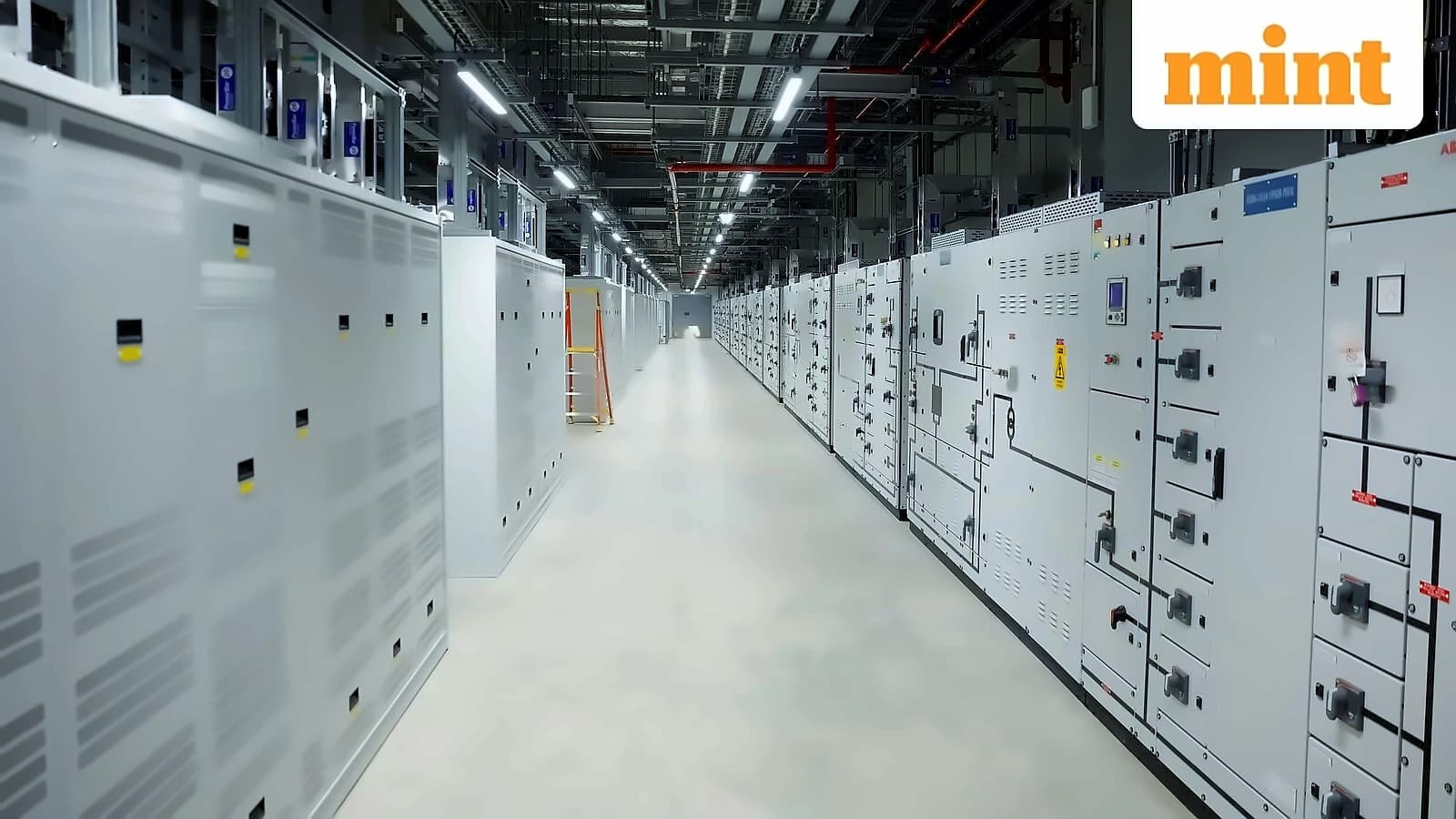
According to JM Financial Institutional Securities, India's AI data centre expansion could create a significant opportunity for electrical equipment manufacturers. As reported by CNBC-TV18, Priyankar Biswas, Head of Industrials and Logistics Research at JM Financial, identified companies such as ABB, Siemens, Honeywell, Cummins and Kirloskar Oil Engines as well-positioned to benefit from the investment cycle. The non-server portion of setting up a data centre currently costs around ₹60-70 crore per megawatt, with 10-15% of that representing the addressable opportunity for these equipment manufacturers. Recent developments show that energy policy is becoming digital policy, with countries able to offer reliable, clean power gaining new leverage over where global compute and economic activity actually lands.
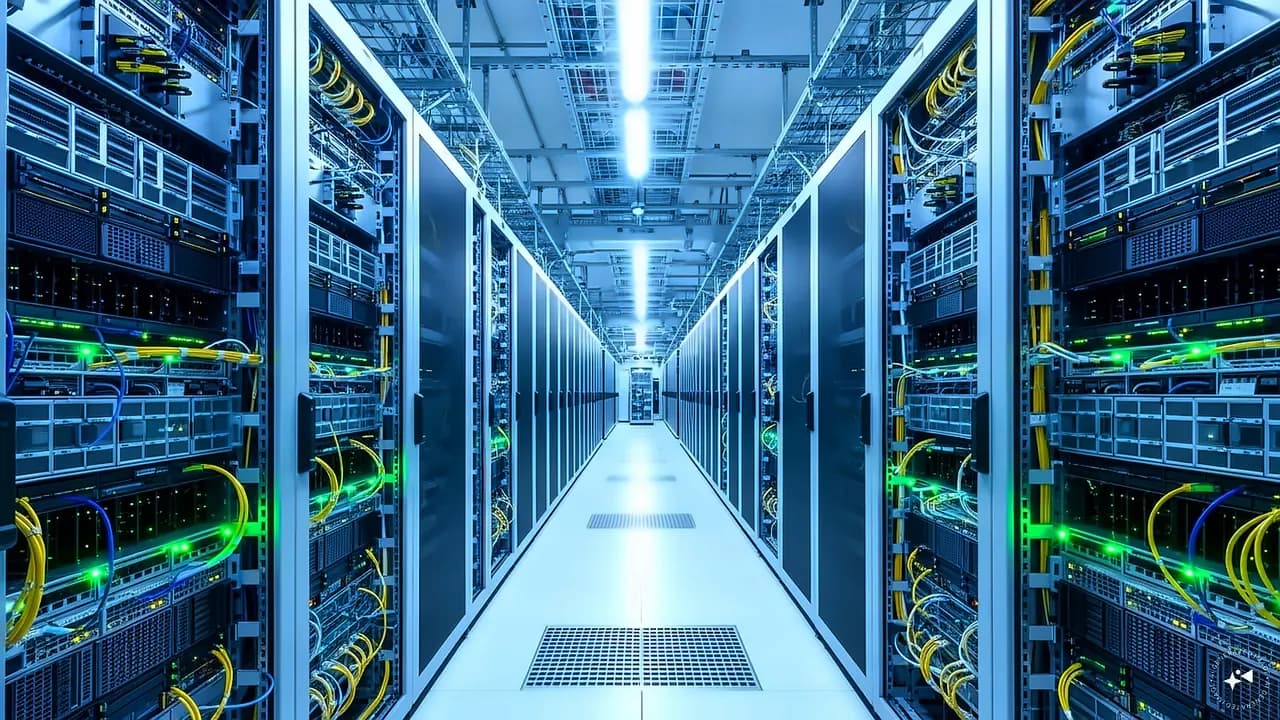
The AI infrastructure buildout is creating unprecedented supply chain pressures across multiple sectors. Reuters reported this month that AI data centre demand has already strained U.S. supplies of fundamental grid components including transformers, with lead times for high-voltage transformers stretching to multiple years in some cases, compared with roughly one year during 2020 and 2021. Deloitte's projection that worldwide chip sales will hit $975 billion this year, a 26% rise from the prior year, with AI chips alone accounting for nearly $500 billion in revenue, cannot be absorbed by existing production capacity. The semiconductor industry's expansion demands matching increases in manufacturing systems investment, with chip revenue climbing 22% in 2025 while silicon wafer shipments grew only around 5.4%, highlighting how growth is concentrated in the most equipment-intensive production nodes. Robotics and automation have moved from peripheral to central in how the semiconductor industry manages growth, with the data centre robotics market alone projected to climb from $2.37 billion in 2026 to $17.14 billion by 2035, a compound annual growth rate exceeding 24%.
As reported by CNBC-TV18, Biswas noted that valuations across the sector remain elevated, reflecting the current market enthusiasm for data centre investments. However, he emphasized that AI data centre investments differ from sectors that are largely dependent on government capital expenditure, such as railways or highways. The current investment imbalance between APAC markets and the United States continues, with the United States hosting the large majority of new hyperscale construction globally. However, jurisdictions with spare grid capacity or appetite for nuclear and gas expansion are positioning themselves as arbiters of the AI race, while power-constrained markets risk being bypassed regardless of how attractive their tax settings are. For APAC's mid-sized economies, cheaper land, faster permitting and government appetite for attractive energy policy design give the region a genuine chance to win AI infrastructure investment that neither the United States nor Europe can easily match on cost.