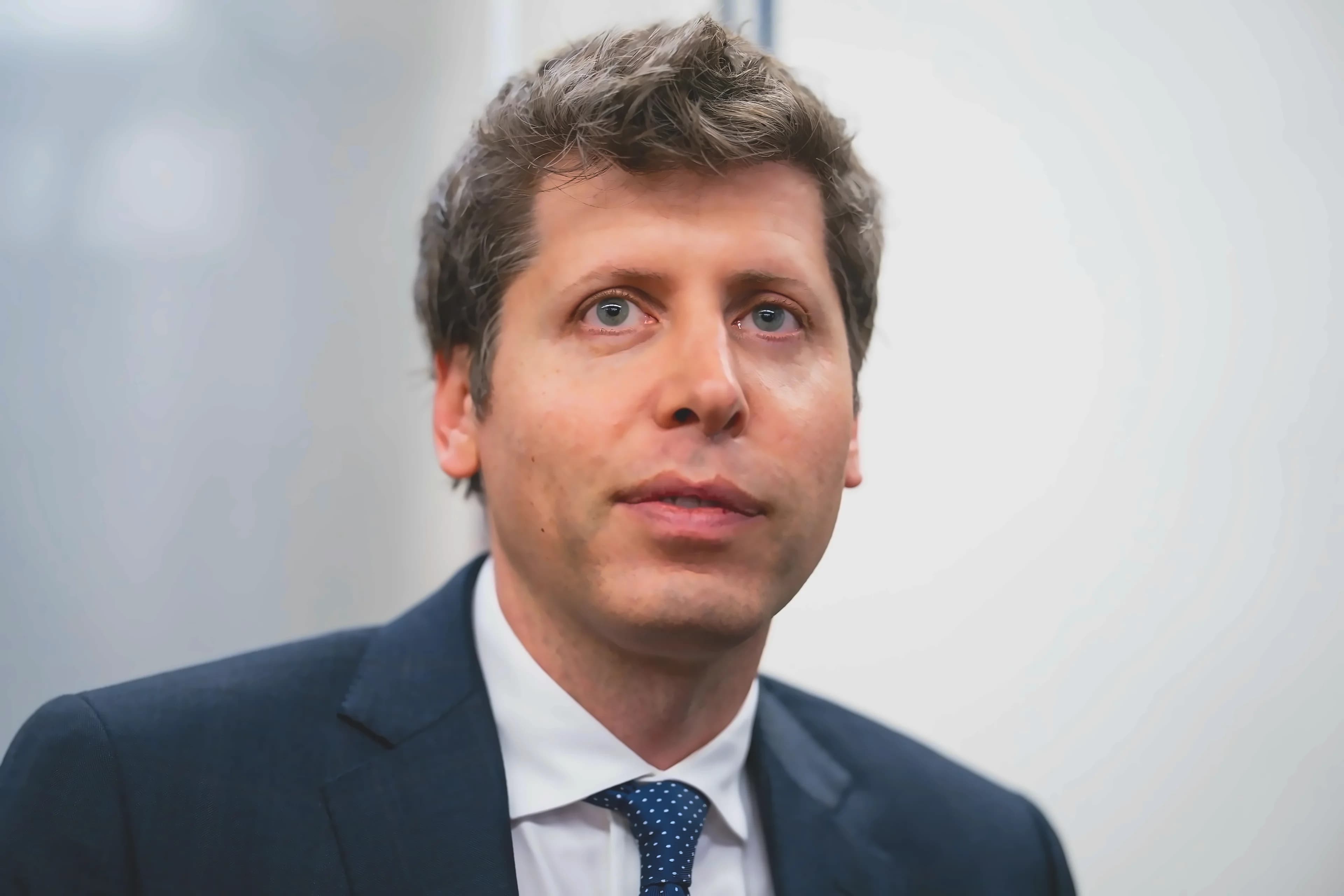
OpenAI CEO Sam Altman announced on May 26 that rapid AI development would not lead to a global 'jobs apocalypse', contradicting earlier predictions. Speaking at a Commonwealth Bank of Australia (CBA) conference in Sydney, Altman revealed he was initially concerned about AI's impact on employment levels. According to reports from Reuters, Altman stated he and his executives were 'roughly right' on technological predictions when ChatGPT launched in 2022, but were 'pretty wrong' on social and economic implications. He told CBA Chief Executive Matt Comyn that he was 'delighted to be wrong' about the extent of AI's impact on entry-level white-collar positions, stating he initially thought there would be more job elimination by now. As reported by Reuters, Altman acknowledged that early fears around job destruction were driven by what appeared to be a genuine risk at the time, stating he saw it as a real risk that should be discussed.
Altman expressed surprise at the limited impact AI has had on white-collar employment, stating he initially thought there would be more job elimination by now. As reported by Reuters, he told CBA CEO Matt Comyn that he was 'delighted to be wrong' about the extent of AI's impact on entry-level white-collar positions. Despite not citing specific job numbers, Altman had previously discussed potential industry-wide cuts due to AI advancement. A growing number of global companies, including HSBC, Amazon, Standard Chartered and CBA, have announced some jobs within their companies were being replaced by AI technology. According to Reuters, Altman said he initially expected AI to eliminate a far greater number of entry-level white-collar jobs after the launch of ChatGPT in 2022, but the actual impact has been less severe than anticipated. He noted that people have criticized him for fearmongering, but emphasized that at the time, he genuinely saw the risks as real.
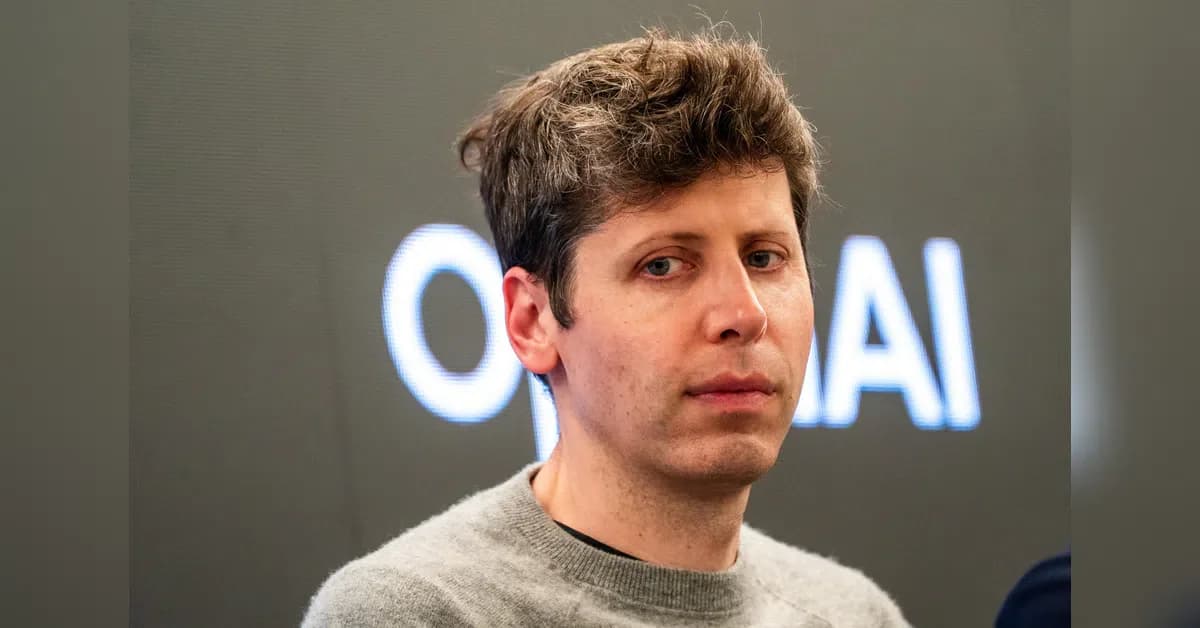
Altman's perspective shifted after realizing that certain human interactions remain irreplaceable by AI. According to Reuters, he noted that even though AI is increasingly active in many industries and jobs, there remains a 'human part' of employment that cannot be replaced. He shared a personal example of experimenting with AI-generated replies for Slack and email messages before eventually returning to responding himself. As reported by Reuters, Altman said he had it reply to messages, saying 'this is Sam's AI', and it was an amazing example to him of their care for people and interactions. He explained that he had it reply to messages, saying 'this is Sam's AI', and it was an amazing example to him of their care for people and interactions, stating this demonstrated the importance of human care and interaction in professional communications. This realization, Altman said, had made him believe that the human interaction required in many jobs would not be replaced by AI.
Altman's revised assessment highlights the practical challenges companies face when implementing AI solutions. According to Reuters, he argued that the 'human part' of many jobs – relationships, trust, and everyday back-and-forth – limits how much software can substitute for people in the short run. His example of switching back to personal responses after trying AI-generated messages demonstrates the complexity of workflow adoption. This fits with what many companies are finding: buying tools is easy, but changing workflows and getting customers and staff comfortable can take much longer. The CEO's perspective suggests that AI adoption will likely follow a staged approach, with firms automating parts of jobs first before redesigning entire processes later.
Altman's revised assessment suggests a more nuanced view of AI's employment impact than previously anticipated. According to Reuters, he believes the jobs picture will be 'very different' than initially thought, with the company unlikely to experience the 'jobs apocalypse' that some AI industry advocates have predicted. OpenAI is preparing to confidentially file for a US initial public offering in the coming weeks, potentially targeting a $1 trillion valuation and raising at least $60 billion. The company could be aiming for a $1 trillion valuation and raising at least $60 billion, as reported by Reuters last week, citing a source familiar with the matter. Altman's remarks come at a time when several global firms have acknowledged that some roles within their organisations are being replaced or reshaped by AI-driven tools and automation.