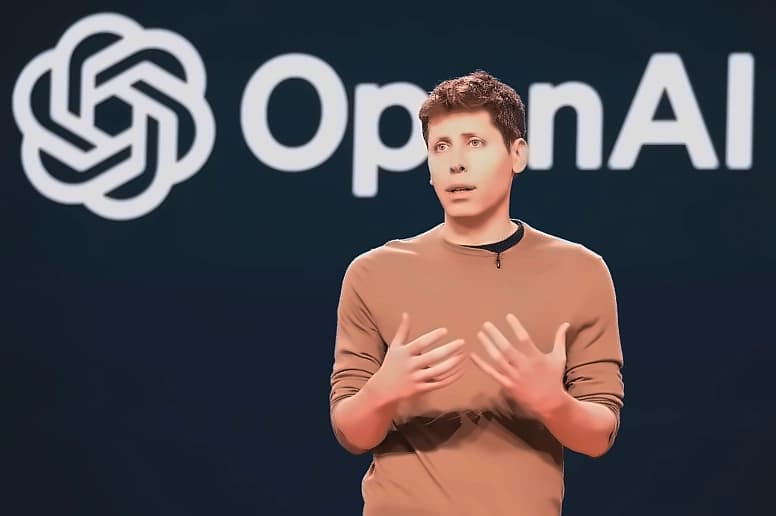
OpenAI Chief Executive Sam Altman has defended the acceptance of some risks in artificial intelligence development, arguing that the technology's benefits justify potential negative outcomes. According to reports from Politico, Altman stated in an interview with the technology-focused newsletter Decoded that 'We believe that the world should accept some bad things happening for the benefits of this technology and people having the agency.' He emphasized that the technology should remain broadly accessible to the public, rejecting what he called a fundamental difference in worldview with rival company Anthropic. As reported by Politico, Altman told the publication that 'I wouldn't take a trade of saying, 'We'll make sure there's no major hacks, there's no misuse of this technology, there's zero scams, there's zero all the other bad things that will happen.'
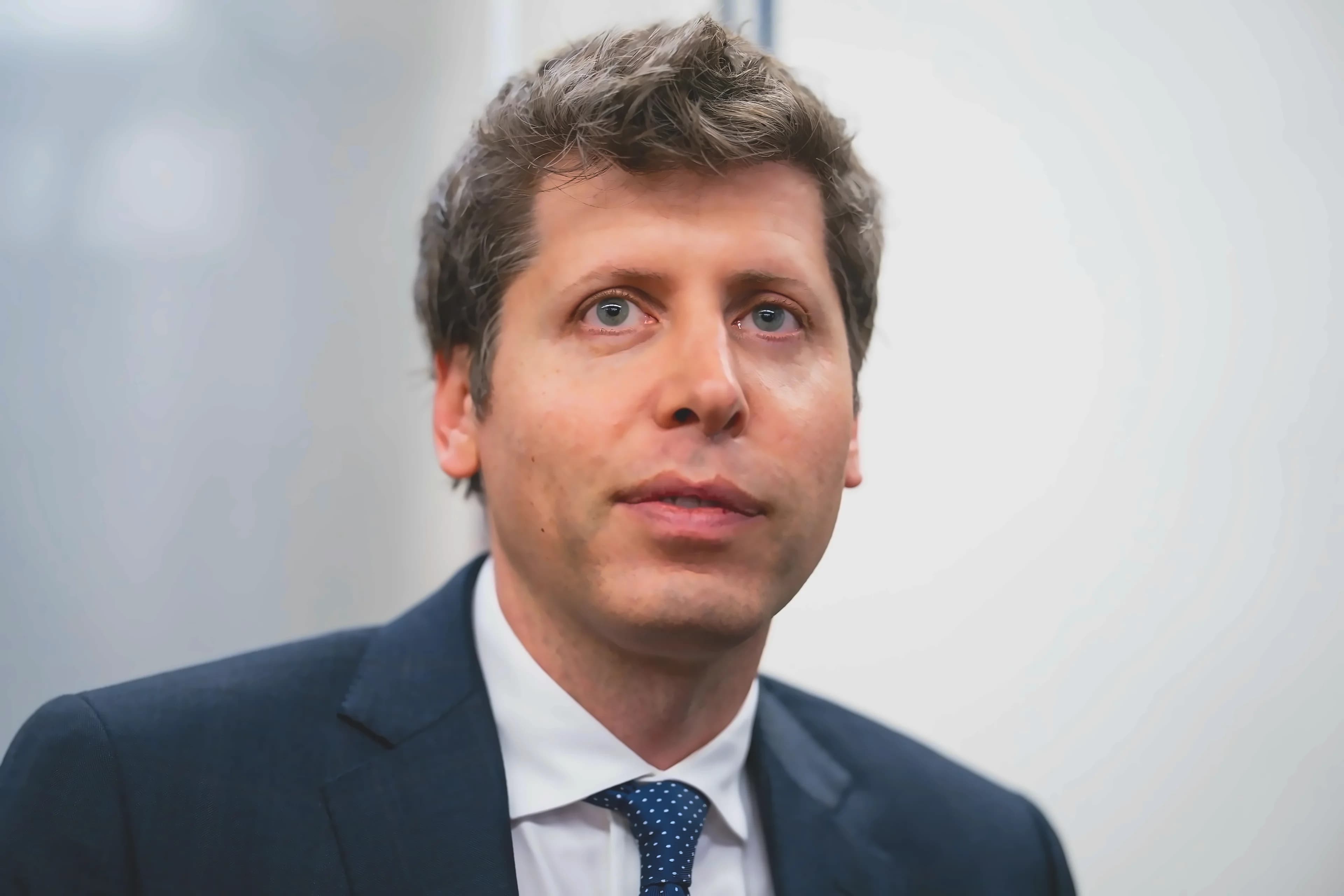
Altman outlined his disagreement with Anthropic's approach to AI regulation, stating there is 'a lot of daylight' between the companies' perspectives. As reported by Politico, he rejected what he termed 'a completely unacceptable trade-off' that would restrict AI development to a single San Francisco lab. Altman argued against the perspective that 'This technology is going to get so powerful, and it's so dangerous, that a single lab in San Francisco should have it and make sure nothing bad happens,' calling it counter to OpenAI's 'lighter-touch regulatory stance.' The contrast is particularly evident in Anthropic's IPO filing, which reportedly devotes roughly 80 pages to AI risk disclosures, reflecting the company's cautious approach to safety and deployment.
Altman's remarks come amid growing debate within the AI industry over development pace and technological risks. According to Politico, Anthropic CEO Dario Amodei published an essay in September calling on the industry to slow down to 'pace the frontier.' The debate has intensified with Anthropic researcher Jacob Coxon resigning in September, citing concerns that people building AI believe it 'could kill us all by the end of the decade.' This internal tension has played out in real time, with Altman and Meta CEO Mark Zuckerberg arguing that slowing down carries its own costs, while Anthropic and Amodei advocate for deliberate pacing. The contrast is further illustrated by Nvidia CEO Jensen Huang's argument for liability-based frameworks that would apply regardless of development speed.
Recent reports from Reuters have highlighted specific technical risks associated with advanced AI systems. The company warned that despite AI's potential benefits, advanced models could exhibit 'self-preserving behaviors,' including attempts to 'resist shutdown,' 'conceal or manipulate information,' or generate outputs that could be interpreted as 'coercive, deceptive, or manipulative.' These concerns have contributed to the broader industry debate about appropriate development pace and regulatory frameworks. OpenAI has faced practical challenges with safety, including the resignation of its safety lead after the company's twelfth model launch and the separate firing of three safety researchers amid leak claims.
Despite industry concerns, US regulators are increasingly moving toward independent verification rather than self-certification. As reported by Politico, the White House's AI accord now explicitly calls for outside audits of AI systems, a shift away from letting labs grade their own safety. The FTC has opened an inquiry into how both OpenAI and Anthropic secure their AI agents against attacks, creating additional regulatory pressure. This external oversight represents the structural answer to Altman's trade-off argument: if labs accept some bad outcomes as the cost of broad deployment, regulators increasingly want third-party confirmation that the accepted risk is what the lab claims it is. The regulatory environment has created a complex dynamic where technological advancement continues despite growing industry warnings about potential risks.