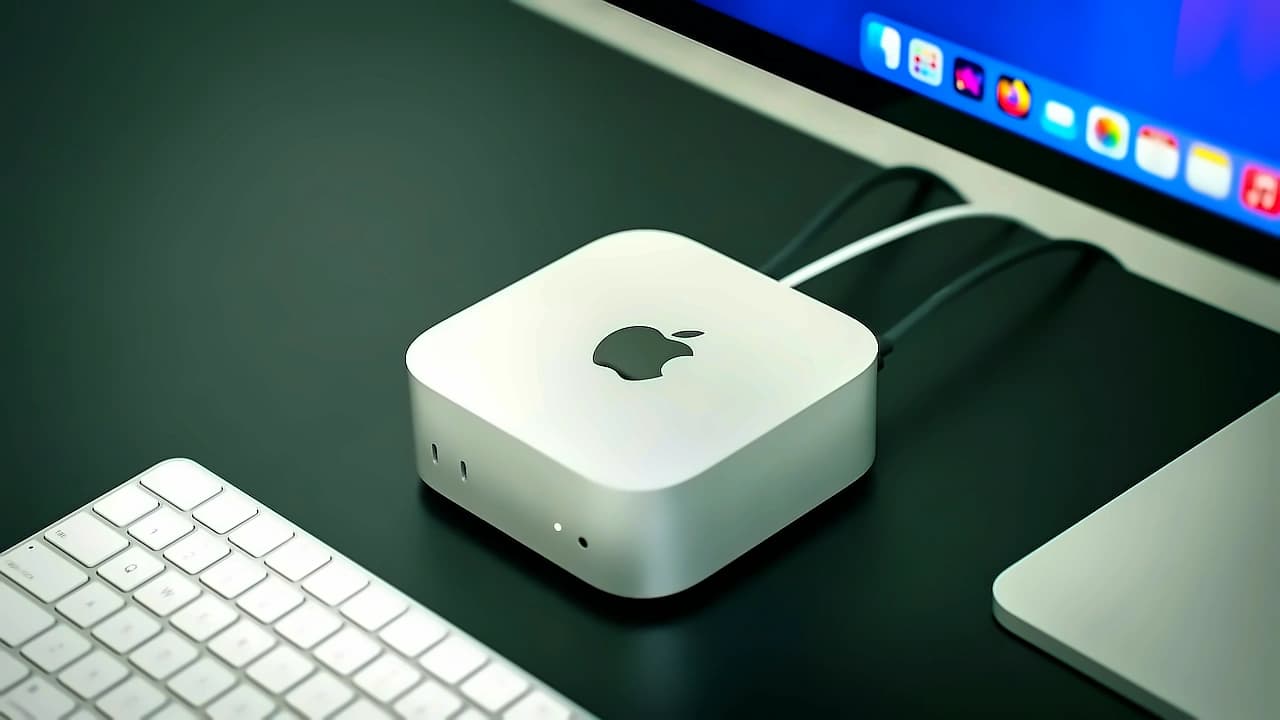
OpenAI, the company behind ChatGPT, has confirmed its purchase of tens of thousands of Apple Mac mini and Mac Studio computers for AI research and training. According to The Information citing sources inside OpenAI, the reported purchase is linked to the company's work on AI systems that can use computers and perform tasks independently. The hardware landscape for AI lab training is undergoing an unexpected shift, with Apple computers — once viewed as consumer-grade products — becoming the compute infrastructure of choice for Silicon Valley's top AI labs. This confirmation comes after earlier reports that OpenAI was reportedly purchasing tens of thousands of Apple Mac computers, though neither OpenAI nor Apple had publicly confirmed the reported number of computers being purchased. The purchases specifically target Mac mini (M6) and Mac Studio (M5 Ultra) desktop units, with coverage noting the machines were bought without screen and keyboard, consistent with headless, rack-style deployment as compute nodes rather than individual user devices.
OpenAI is working on AI systems that can do more than simply respond to questions. These AI agents are being developed to interact with computers, open applications, follow instructions and complete tasks. For example, instead of simply telling a user how to perform a task on a computer, an AI agent could potentially carry out the task itself. According to The Information, OpenAI is using the Macs for reinforcement learning, a process that allows an AI system to try different actions and learn from the results. The agents can handle multi-step tasks like editing test code, automatically organizing inboxes, and summarizing documents, placing extreme demands on sustained compute output and memory bandwidth. Coverage describes exactly this kind of workload: agents editing and testing code, organizing email, and summarizing documents, each task run over and over as the underlying model improves at the multi-step reasoning required to complete it.
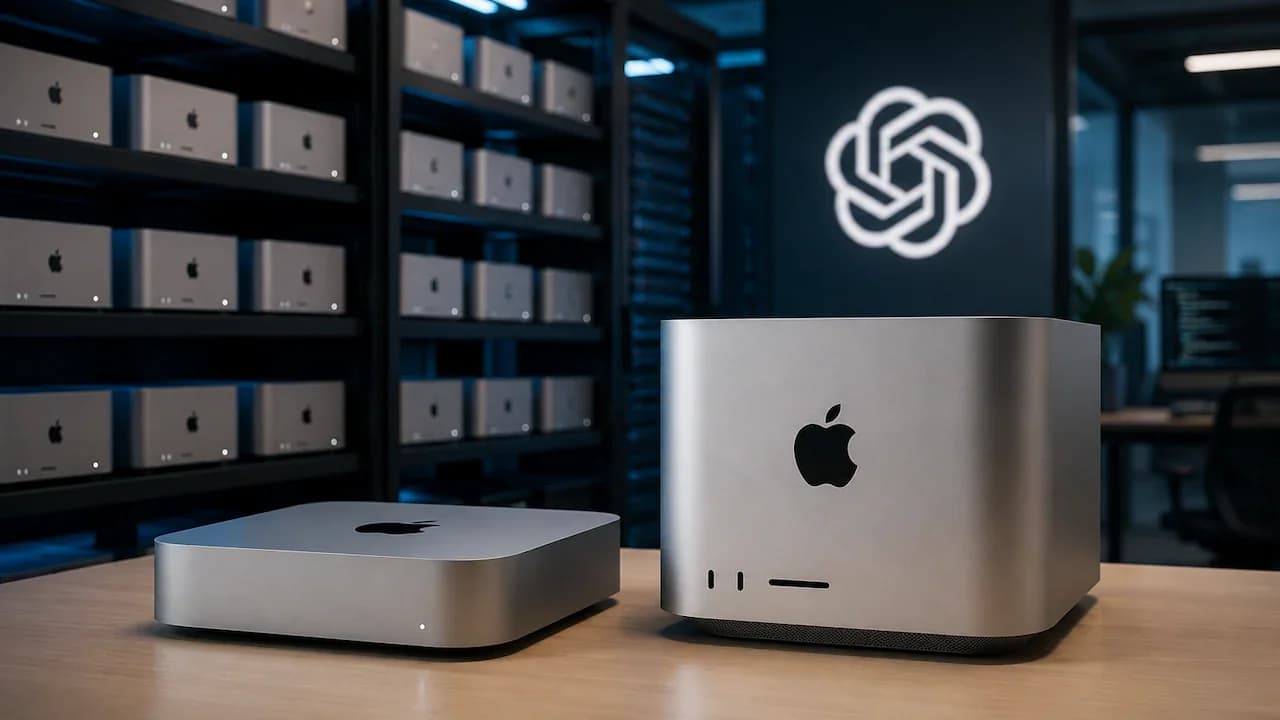
The Mac mini is a compact desktop computer, while the Mac Studio is a more powerful machine designed for demanding workloads. Their relatively small size could also make it easier to deploy a large number of systems in a limited space. The Information reported that OpenAI is using the machines for specific AI workloads rather than as replacements for the large computing systems typically used to train advanced AI models. Apple's core advantage stems from its custom silicon and Unified Memory Architecture, where the M-series chips let the CPU, GPU, and Neural Engine share a single memory pool. The M5 Ultra's unified memory capacity reaches 512GB, enough to directly load quantized models with tens of billions of parameters. The Mac mini and Mac Studio are equipped with dedicated fans and thermal modules that sustain stable performance during reinforcement learning training runs lasting hours or even days. The Mac mini (M6) and Mac Studio (M5 Ultra) are specifically designed for headless RL sandbox nodes, offering low cost per unit and availability through normal commercial channels without multi-year supply agreements.
OpenAI is reportedly not the only AI company using Apple's computers for such purposes. According to The Information, Anthropic is also renting large amounts of Mac computing power through Amazon Web Services. This does not mean AI companies are moving away from powerful GPU-based systems. Instead, Macs could be useful for specific tasks where developers need to test how AI systems interact with real computer environments. However, Apple's supply chain is becoming its biggest constraint, with the explosive demand for memory chips from AI data centers triggering an industry-wide DRAM and NAND shortage. The high-end Mac mini and Mac Studio configurations most attractive to AI developers have been out of stock for months, with some enterprises pivoting to Nvidia's DGX Spark. The timing of OpenAI's purchases coincides with Nvidia's RTX Spark selling out at launch through OEM partners including ASUS and MSI, demonstrating how the memory shortage has created constraints across all AI hardware categories.
The reported purchases come as Apple continues to position the Mac as a capable machine for AI workloads. For OpenAI, they could reflect how its ambitions are expanding beyond chatbots and towards AI systems designed to interact directly with computers. The confirmation of these purchases comes as Apple's Mac business revenue grew 29% year-over-year in the most recent quarter, reaching $10.4 billion, outpacing iPhone growth and making it the fastest-growing segment in Apple's hardware business. This growth trajectory demonstrates the Mac's increasing importance in the enterprise AI market, with the China-market Mac mini price having climbed by more than 50% in two years. The pattern across 2026 shows frontier labs sourcing RL compute outside traditional GPU channels, with computer-use and agentic AI becoming a distinct line item in hardware procurement strategy. The exact number of Macs OpenAI plans to purchase, how much it will spend and how long the machines will be used have not been publicly confirmed, though reporting suggests the purchases represent a meaningful share of reinforcement learning infrastructure for the company.