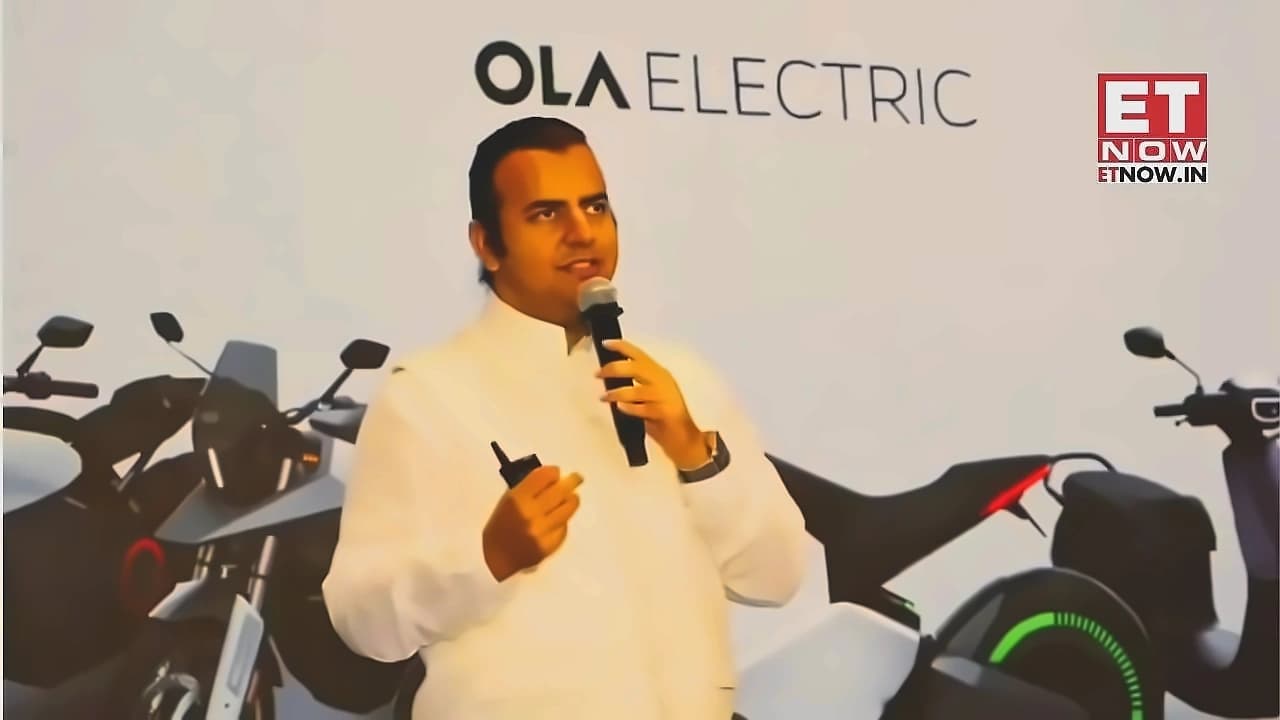
Ola Electric is aggressively integrating artificial intelligence into its operations, with Chairman and Managing Director Bhavish Aggarwal personally spending a week building AI agents for the company. According to reports from ET Now, Aggarwal highlighted how companies accumulate bureaucratic layers as they scale, stating "Got on the vibe coding bandwagon and built a bunch of AI agents this week for Ola Electric. Wow! So many layers get built between the actual doers and the founder as the company scales." The company is focusing on developing multiple AI agents aimed at streamlining work processes and reducing management layers. Aggarwal shared his experience on X, describing the trend as "part of a growing trend of 'vibe coding,' where individuals use AI tools to quickly create software systems and automation tools."
Aggarwal emphasized the transformative potential of AI agents in reshaping organizational structures, as reported by ET Now. He stated that "Agents will take away all middlemen in a company who are only 'managing people' and not doing any problem solving! And the people actually building will be even more valuable." This development aligns with the broader trend of companies across sectors rapidly adopting AI-powered agents to automate routine tasks, boost productivity, and enable faster decision-making. The remarks come at a time when Ola Electric expands its use of in-house technology across its electric vehicle business, with the company continuing to develop software, battery systems and manufacturing capabilities internally.
The AI agent development initiative is part of Ola Electric's strategy to build deep in-house technological capabilities across the electric vehicle ecosystem. According to ET Now, the company is focusing on developing critical components such as battery cells, motors, and software internally. Earlier this week, Ola Electric's subsidiary, Ola Cell Technologies, received certification from the Bureau of Indian Standards (BIS) for its indigenously developed 46100 lithium iron phosphate (LFP) battery cell, which is seen as a significant step toward localising battery production and reducing reliance on imports. The battery cell is designed and manufactured domestically and will support future electric vehicle models, forming part of a broader plan to create a fully integrated electric mobility ecosystem.
While Aggarwal's AI predictions received attention on social media, they also sparked criticism from users regarding the company's existing service issues. Netizens raised concerns about Ola's current service quality, with one user questioning why the company wasn't addressing problems of vehicles stranded at service centers for weeks and months. Another user highlighted their personal experience with a scooter that had been at the service center for four months despite owning it for less than a year. Users also suggested building AI agents to resolve suspension issues and provide written confirmations instead of verbal promises, indicating that while AI agents may transform organizational structures, addressing existing customer service challenges remains a priority.