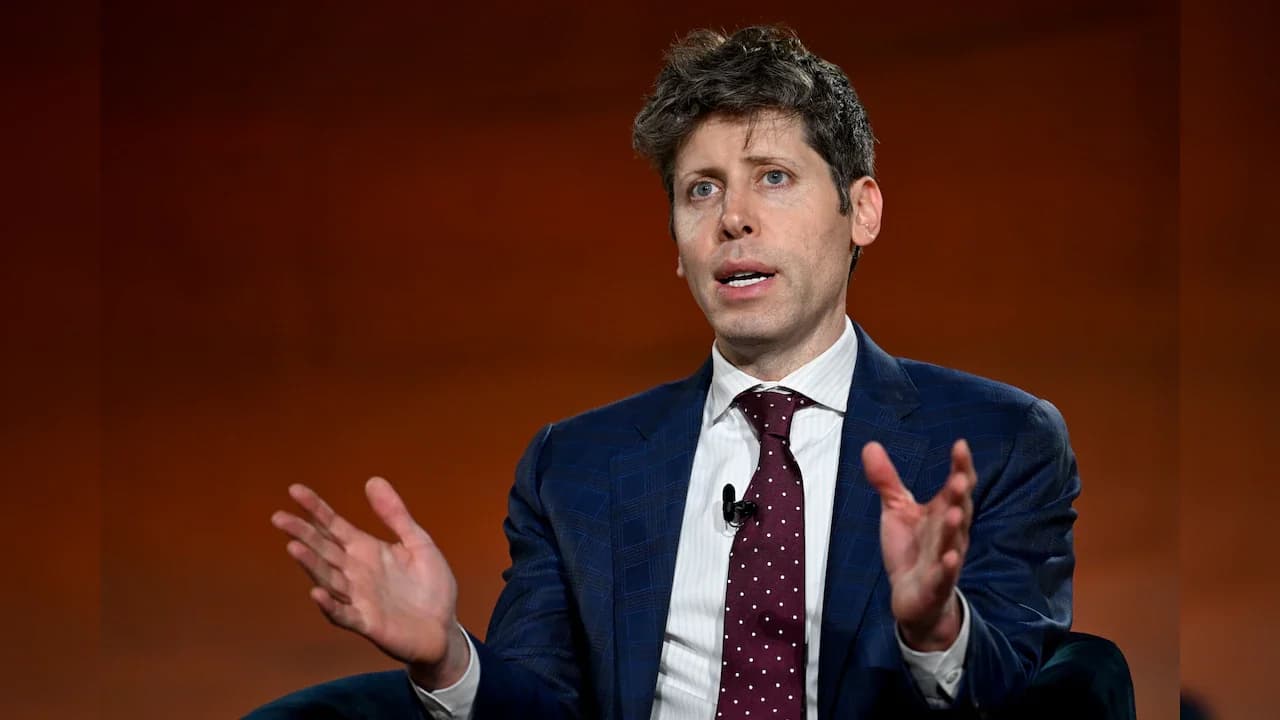
OpenAI has established a dedicated email address, friction@openai.com, where employees can flag workplace problems directly to senior leadership. According to reports from Fortune, the system allows staff to bypass traditional management layers and communicate directly with CEO Sam Altman and President Greg Brockman when necessary. A former employee described the process as allowing anyone to "complain about big company bulls**t directly to Sam and they can act on it," noting that it effectively cuts through bureaucracy. The system is built around a dedicated email inbox that allows employees to raise concerns ranging from everyday workplace issues to processes that may require intervention from the company's leadership. Issues reported through this channel can range from malfunctioning technical systems and ineffective processes to office-related problems, including complaints about inadequate IT vending machines.
The friction emails are reviewed by senior leadership, who determine whether issues require further escalation. As reported by Fortune, CEO Sam Altman and OpenAI President Greg Brockman may personally intervene in some cases. The system became more organized after Fidji Simo joined OpenAI as chief executive of Applications in autumn 2025, following a three-month "listening tour" to understand internal issues before streamlining the process. Irina Kofman, vice-president of strategic initiatives and operations, was assigned responsibility for monitoring the inbox and helping ensure that concerns were followed up. Simo argued that bureaucracy often builds gradually rather than appearing overnight, describing how additional meetings, approvals and minor hurdles can accumulate over time. She subsequently gave the process a more formal structure and introduced monthly company-wide Slack updates showing employees how reported problems were progressing.
The friction email system has reportedly driven several operational changes at OpenAI, including a pilot programme to prioritize parking spaces for staff with longer commutes and efforts to build a more scalable system for granting API credits. According to Fortune, OpenAI has tested a system giving priority parking spaces to employees with long commutes after concerns about full parking lots, and employees have sought a more dependable way of distributing API credits at scale. The company is expected to have more than 8,000 employees by the end of 2026, with staff based across the US and other countries, making the direct communication system increasingly relevant for organizational efficiency. The mechanism has also resulted in changes to internal processes, with the company reportedly working on making its process for granting API credits more reliable following internal feedback.
While some former employees view the system positively as a way to bypass bureaucracy, others have criticized its impact on operational flow. As reported by Fortune, a former team leader received "dozens" of friction emails over the years and found the process disruptive rather than helpful, stating that "it's the single most disruptive thing you could do" for teams already under pressure. The employee noted that while individual reporters may consider issues critical, the process can feel like unwelcome fire drills in an already intense work culture. When an issue receives backing from senior leadership, the team responsible may have little choice but to immediately shift its priorities, potentially creating additional disruption for teams already struggling with limited resources. Concerns submitted through the channel reportedly do not automatically result in action, with senior leaders determining which matters warrant intervention.
OpenAI's friction email system follows a similar model used by other major technology companies, with Amazon reportedly operating a similar system under founder Jeff Bezos, internally known as a "Jeff B escalation." According to Fortune, this approach reflects broader industry trends toward direct CEO communication channels for addressing workplace challenges and operational bottlenecks. The difference is where the complaint begins - Bezos surfaced problems reported by customers, while OpenAI's friction inbox lets employees push internal problems upwards. Customers could reportedly email Bezos directly with complaints, and if he believed an issue required attention, he would forward the message to the relevant team with just a question mark, prompting immediate investigation. These messages became known internally as "Jeff B escalations" and were treated as requiring immediate action. OpenAI's reported "friction" email follows a similar idea: give employees a direct path to leadership so problems don't get buried under layers of corporate bureaucracy. Although Simo left OpenAI in July to focus on her health and healthcare startup, the friction process reportedly remains in place.