Microsoft's annual developer conference Build 2026 kicked off on June 2 at 9:30 AM PT, with the company preparing to make significant AI and Windows-related announcements. According to The Verge, Microsoft is expected to showcase new AI models, a developer-focused Windows 11 experience, improvements to Windows performance, and future plans for Copilot. The conference comes at a time when Microsoft is increasingly reshaping its business around AI while addressing concerns among developers regarding Windows and GitHub. Microsoft AI chief Mustafa Suleyman is expected to introduce a new reasoning model called MAI-Thinking-1, which will be Microsoft's first reasoning-focused AI system developed without using model distillation, primarily targeted at enterprise customers. Additionally, Microsoft is preparing to announce new image-generation models, including MAI-Image-2.5 and MAI-Image-2.5-Flash. The announcements come as US President Donald Trump signed an executive order on the same day that gives the government power to scrutinize AI models in the interest of "national security".
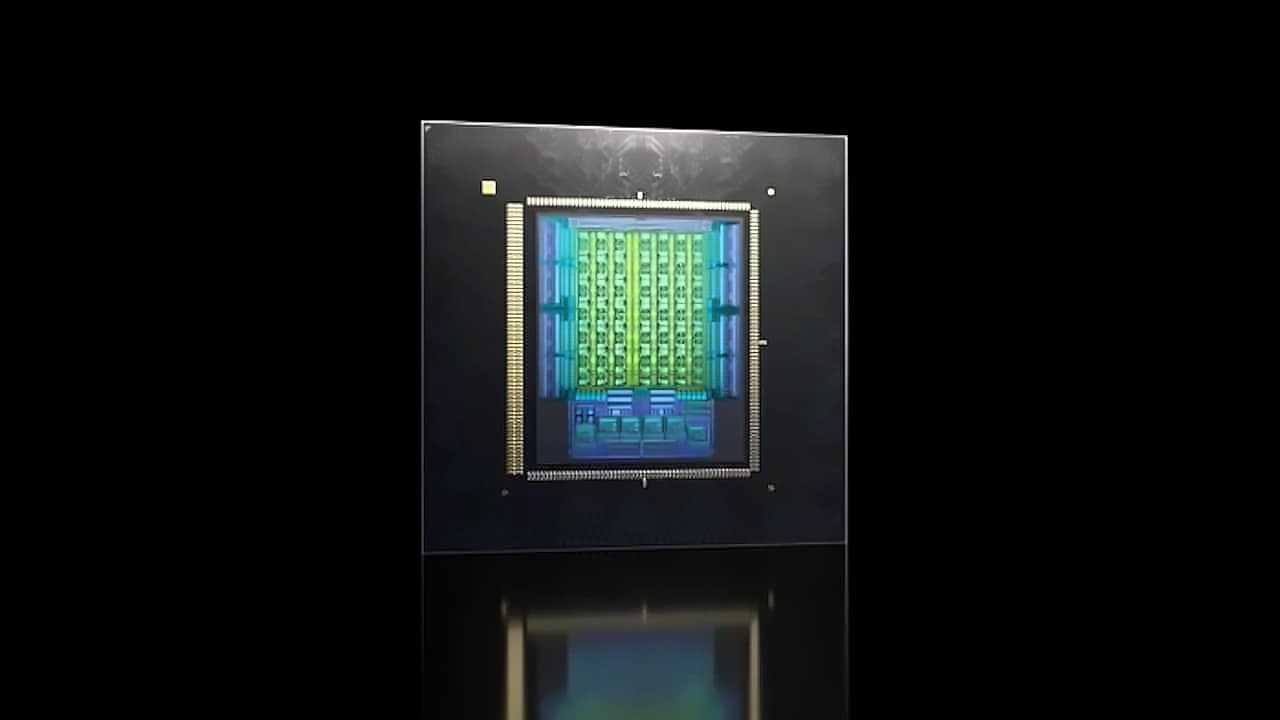
The partnership between Nvidia and Microsoft has reached new heights with Microsoft revealing that it has optimized Windows specifically for Nvidia's RTX Spark, which will run Windows on Arm. According to The Verge, these optimizations include improved workload scheduling across the CPU architecture, better power and thermal management, and enhancements to unified memory handling. The amount of system memory available to the GPU has increased, along with improved memory management for AI, gaming, and content-creation workloads. Microsoft CEO Satya Nadella may discuss these developments alongside Nvidia CEO Jensen Huang during the conference. For software compatibility, Microsoft confirmed that its Prism emulator will allow traditional 32-bit and 64-bit x86 applications to run on RTX Spark-powered devices, with further tuning for the new hardware. The company also highlighted support for Windows ML and native TensorRT integration, while noting a range of Windows on Arm applications.
Microsoft has unveiled its latest lineup of in-house AI models during Build 2026, marking a significant shift away from heavy reliance on OpenAI models. According to The Verge, the headline launch was MAI-Thinking-1, Microsoft's first advanced reasoning-focused AI model designed for complex enterprise and software engineering tasks. The company introduced MAI-Code-1-Flash, a lightweight coding model deeply integrated into GitHub Copilot and Visual Studio Code, along with MAI-Image 2.5 for image generation and editing, MAI-Transcribe-1.5 for speech transcription, and MAI-Voice-2 with expanded multilingual support. In a post on X, Microsoft AI CEO Mustafa Suleyman described these launches as part of Microsoft's effort to build practical AI systems focused on productivity, creativity, and enterprise use cases. MAI-Code-1-Flash represents the ideal case as it is designed especially for GitHub Copilot and developer workforce, suggesting future versions of Copilot may no longer rely on OpenAI models and will be run by its own multi-modal AI platform.
Microsoft announced the Surface Laptop Ultra on May 31, developed in collaboration with Nvidia and optimized for RTX Spark technology. According to Microsoft, the laptop combines an Nvidia Blackwell RTX GPU, full CUDA support, and up to 128GB of unified memory, enabling AI, 3D rendering, software development, and other compute-intensive workloads to run locally. The device is capable of delivering up to 1 petaflop of AI performance and can run AI models with up to 120 billion parameters locally. The laptop features a 15-inch PixelSense Ultra mini-LED touchscreen with up to 2,000 nits of peak HDR brightness and a pixel density of 262 PPI, along with the largest haptic touchpad ever fitted to a Surface device. The device will be available in Platinum and Nightfall colour options, though Microsoft has not yet detailed variants, pricing, or availability details.
The partnership promises to revolutionize the PC market by directly taking on Apple's MacBooks and iMacs, with Nvidia's full-stack AI integration, 20-core CPU and powerful GPU combining with Microsoft's Windows accessibility to challenge the M-series chips designed by Apple and running exclusively on MacOS. While Apple still maintains control over the laptop industry due to its greater security and hardware-software integration, the Nvidia-Microsoft collaboration could spell trouble for Intel and AMD, particularly as most Windows PCs and laptops currently run on Intel's i-series or AMD's Ryzen-series CPUs. The new series of laptops and PCs will run Windows, promising power over utility, with the new Nvidia-powered Windows laptops available this fall. As reported by NDTV Profit, Microsoft executive Pavan Davuluri has provided additional clarity about the upcoming announcement, tweeting: 'Something new is coming for developers. And no, it's not a new OS version. See you at Build next week!'