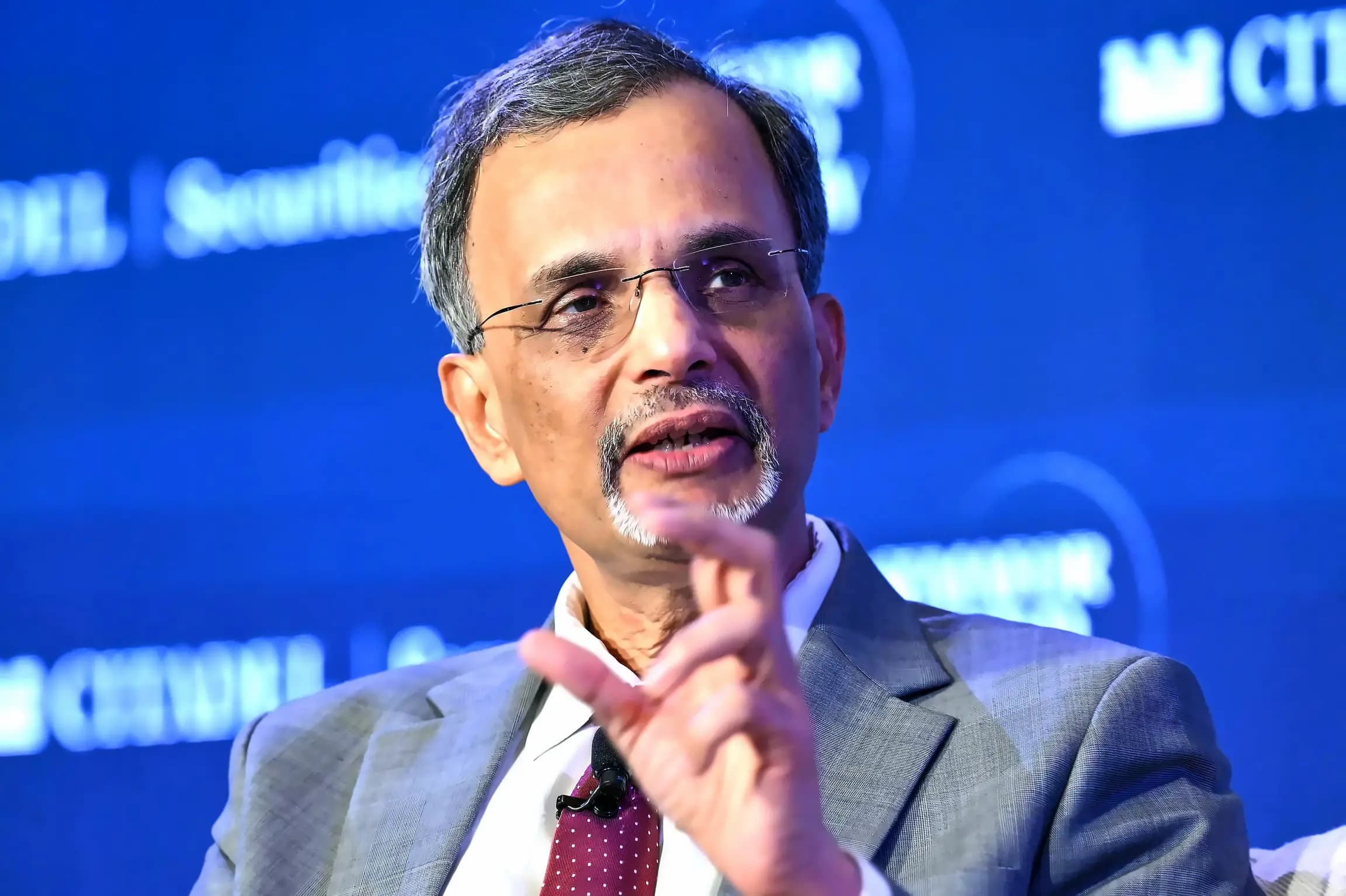
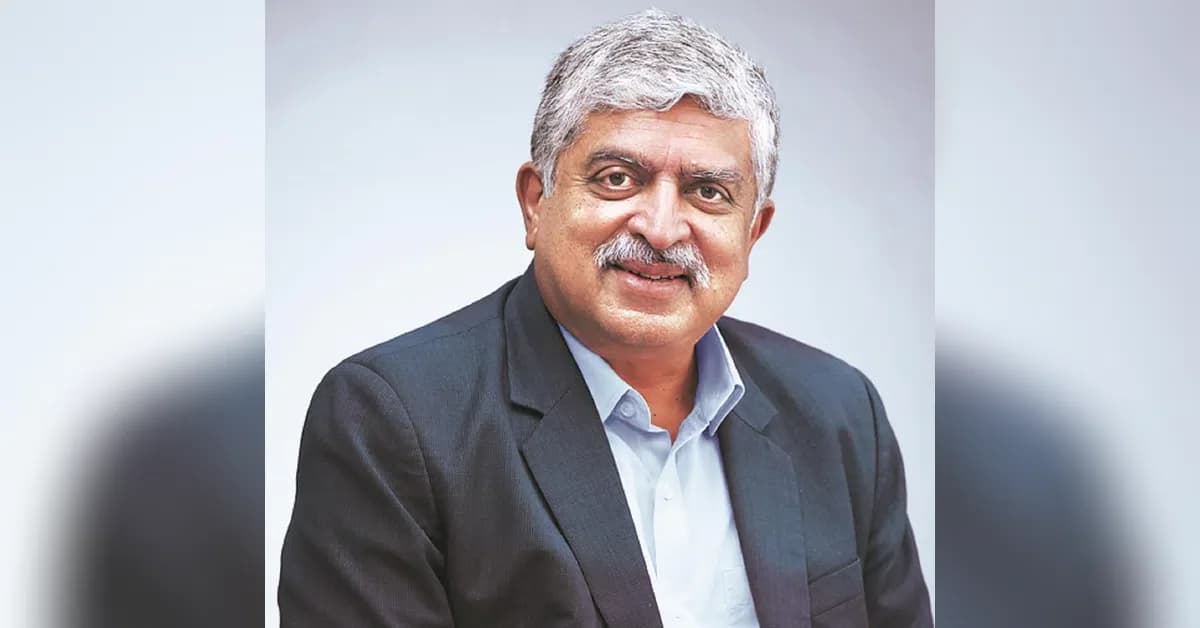
India is positioned to lead the next phase of the artificial intelligence revolution by building real-world applications at scale rather than competing in the race for advanced chips and large language models, according to Nandan Nilekani at the NCAER India Policy Forum 2026. Speaking at the event, Nilekani explained that the value in AI will increasingly shift from infrastructure to applications, creating a significant opportunity for India. As reported by The Times of India, he argued that India may emerge as a principal beneficiary of productivity gains and inclusion from AI in the next decade, despite low visibility in chip, infrastructure or LLM. Nilekani emphasized that India's experience in building digital public infrastructure (DPI) offers a strong foundation for deploying AI solutions across sectors such as agriculture, healthcare and education at population scale. 'We will become the AI use case capital of the world because we will actually deploy AI and make it useful, not just for a few businesses or a few people, but make it accessible and useful to a billion Indians,' Nilekani said, highlighting India's unique position in AI applications.
Nilekani emphasized that India should deploy AI to improve learning outcomes and expand access to knowledge through Indian-language and voice-based interfaces. As reported by The Times of India, he stressed that AI should be used to solve practical challenges facing citizens rather than focusing solely on developing frontier models. The Infosys co-founder argued that the country's biggest AI opportunity lies in making the technology accessible through Indian languages and voice-based interfaces to broaden access to technology and improve productivity for the population. 'One of the ways to make India inclusive is to make it available in Indian languages and we have 100s of dialects and languages. We need to make it available in voice,' Nilekani said. He called for AI to be made available in Indian languages and through voice interfaces to create practical solutions for citizens, noting that 'Indians speak a mixture of languages, if you want AI to work for a billion people you need to make it work with mixed languages and apply it to fundamental issues, like agriculture, learning outcomes and better healthcare'.
The Infosys co-founder highlighted that India expanded from fewer than 10,000 startups a decade ago to around 150,000 now, with the ecosystem continuing to grow at about 20 per cent annually. According to The Times of India, Nilekani said if this growth continues, the country could have more than one million startups by 2035. He called for simpler regulations, easier access to credit and markets, and AI tools to help small businesses grow. Nilekani highlighted that initiatives such as the Account Aggregator framework could improve access to formal credit, while the Open Network for Digital Commerce (ONDC) could help small firms reach larger markets. He suggested that together with deregulation and AI-enabled business support, these measures could empower millions of entrepreneurs. 'If we need a million entrepreneurs, we need deregulation at scale,' Nilekani emphasized, noting that 'If we grow at this pace we have more than a million start-ups by 2035 and these can create jobs for others'.
Nilekani warned that smaller enterprises are likely to be the primary creators of jobs in the AI era, as large organisations with highly structured processes are more vulnerable to automation. As reported by The Times of India, he said 'In some sense, the future will be small businesses, because in terms of job creation, because large companies, which are very well structured, will actually be the most vulnerable to job losses, because they're so well structured that every job is reduced to a few set of tasks. It's also easy to automate that and remove jobs'. Speaking at an event organised by the National Council of Applied Economic Research (NCAER), Nilekani explained that highly structured companies are most vulnerable to automation because every job is reduced to a few set tasks. According to reports from Business Standard, he argued that employment would increasingly come from small firms where workers perform multiple roles, making them less susceptible to AI-driven job displacement. 'Instead of expecting a few companies to hire a million people, the economy will grow because "a million companies have one person each"', Nilekani said.
Nilekani called for portable social security benefits and digital credentials that workers could carry across employers as job mobility and gig work become more common. As reported by The Times of India, he said workers should be able to retain benefits such as pensions, insurance and healthcare when they switch jobs, instead of having them tied to a single employer. He emphasized the need for portable credentials and portable benefits to create key mobility for the workforce. 'Formalization is a complex thing, we need to see how can we create portable benefits for a portable workforce,' Nilekani said. The remarks assume significance as they come after the Centre last month appointed Nilekani to chair a high-powered panel on examination reforms following the NEET-UG paper leak controversy and widespread student protests.