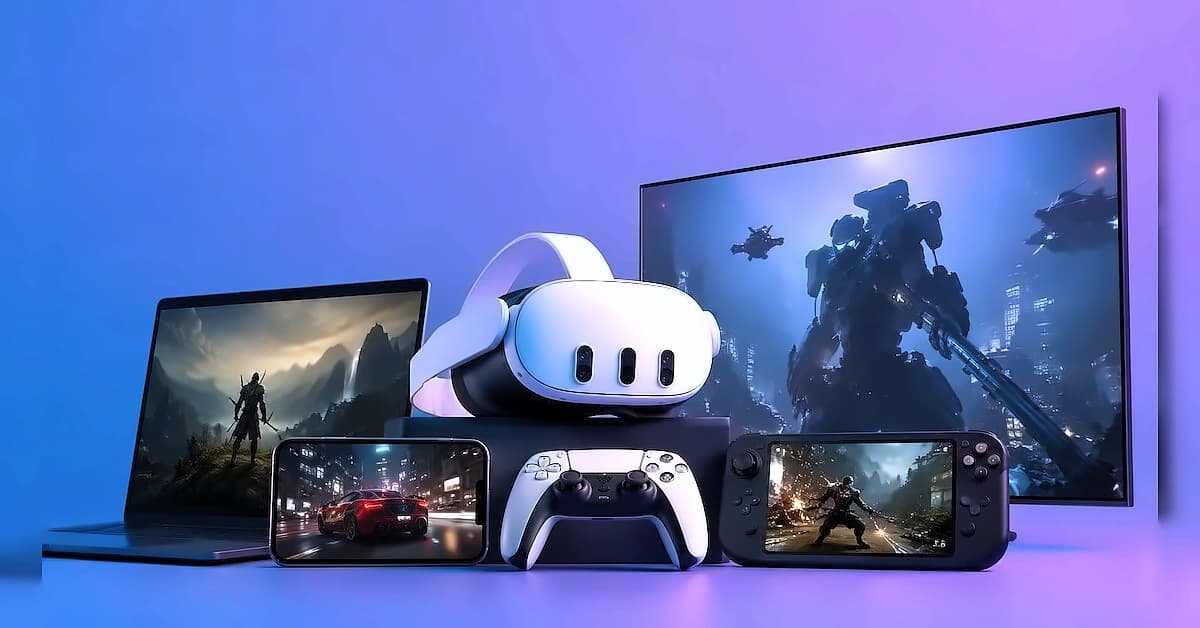
India is rapidly establishing itself as one of the world's largest online gaming markets, with mobile gaming alone expected to reach $2.4 billion by 2029, according to MIXI's 'state of play' report. The country currently ranks number two globally on combined market metrics when benchmarked against other emerging gaming markets. The report indicates that score progression over the past three years demonstrates increasing market attractiveness and maturity in the Indian gaming landscape.
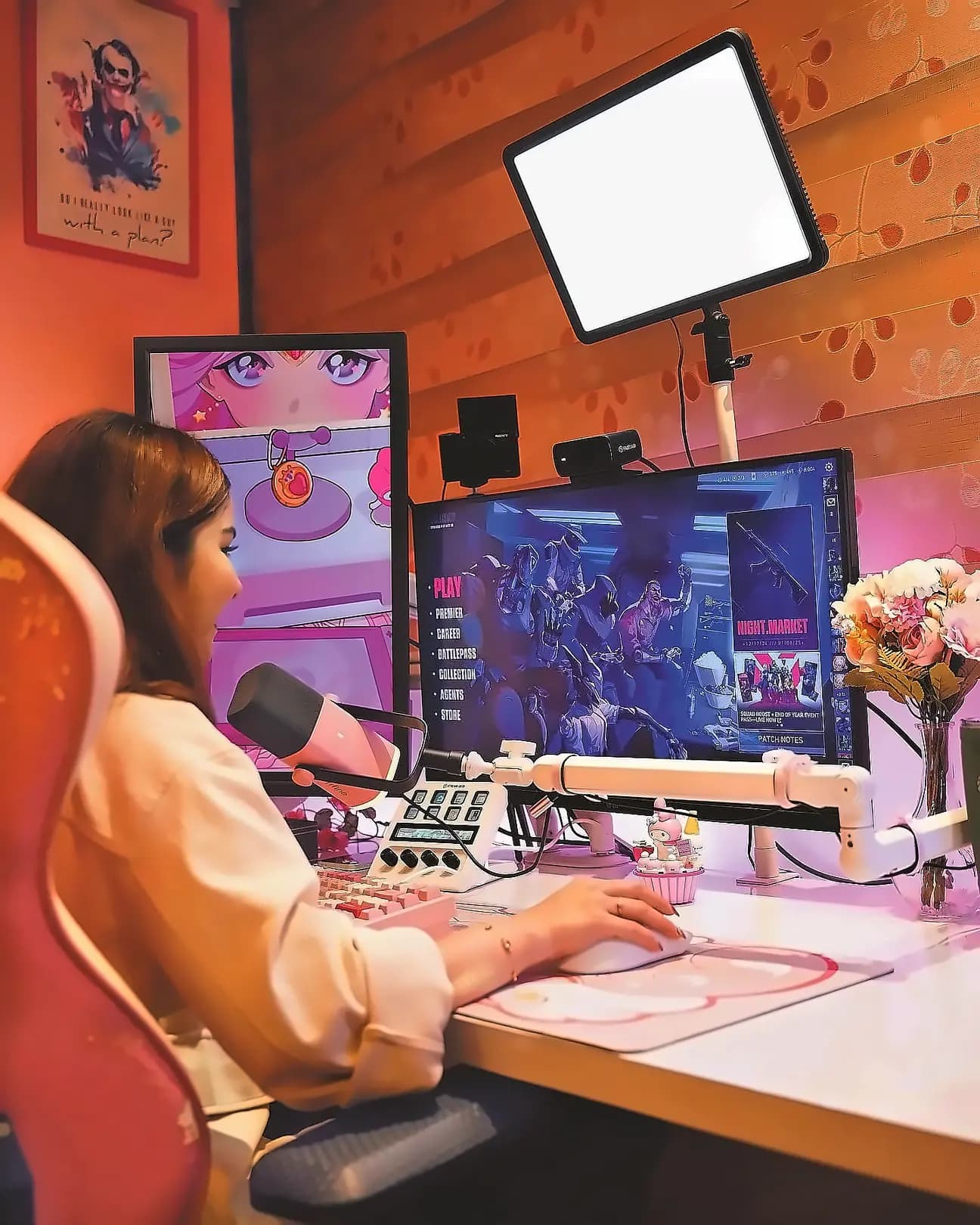
Despite much-needed transformations in the gaming universe, a significant gender imbalance persists in India's online gaming landscape. 86% of gamers are males while only 14% are females, as outlined in the MIXI report. This disparity is particularly pronounced in core gaming genres, with sports, strategy, and shooter games showing the highest male concentration at around 90%, according to the report. The demographic is predominantly skewed toward the 18-24 age group, highlighting the youth-centric nature of the gaming audience. However, recent developments show promising signs of change, with female gamers increasingly carving out their own space in the male-dominated e-sports field.
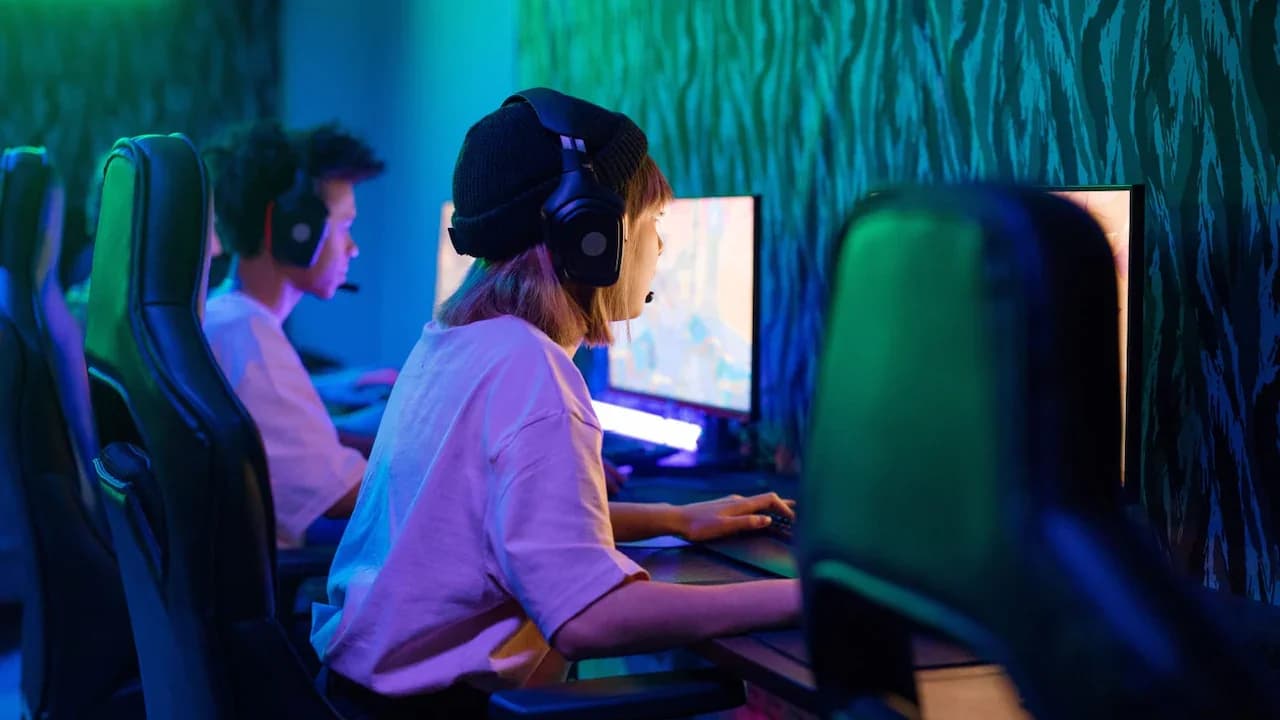
Despite facing significant challenges including cyberbullying and gender-based discrimination, women are successfully establishing themselves in India's e-sports scene. Nishat Shama from team The Covenant Esports GC started competing in 2023 and quickly climbed the ranks, winning their first female LAN in the country. Shusmy Ahmed (Sachiko#neko) achieved diamond 3 rank in Valorant and demonstrated that women can compete at high levels despite facing sexist comments and harassment. These success stories demonstrate that female gamers are breaking barriers and establishing their presence in competitive gaming, though they still face challenges in finding dedicated female teams due to conservative societal norms.
The gaming landscape faces significant hardware cost barriers that limit market penetration. PC gaming remains relatively niche with penetration rates between 1 to 1.4%, as reported by MIXI. The PC gaming install base is approximately 15-20 million gaming PC units, indicating limited market reach due to high hardware costs. This hardware accessibility issue continues to constrain the overall growth potential of the gaming market in India, particularly affecting female gamers who may face additional financial barriers to entry.