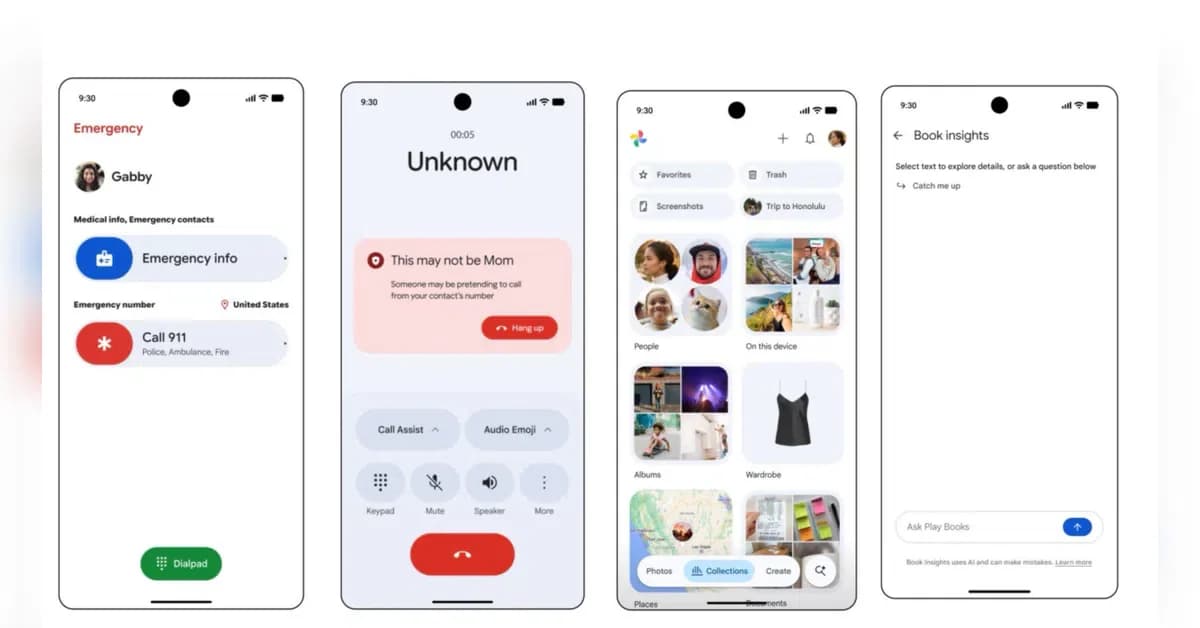
Google has introduced a new user control option for Gemini users to remove visible watermarks from images, videos and music created with the AI tool. According to reports from Business Standard, the company announced this change through its Gemini account on X, stating that users can toggle the 'Show watermark' setting on or off for future creations. The change is being rolled out over the next few days and applies to Gemini-generated content, though visible watermarks will remain in countries where displaying them is required by law. As per Analytics Insight, the feature became available to users starting August 14, targeting creators who want cleaner files for presentations, campaigns, and social media posts. According to TechRadar, Google's Josh Woodward described the change as a "papercut fixed" - addressing user frustrations with the overlaid logos that had been disrupting the AI content creation workflow.
The new setting is available under Gemini's Settings menu as 'Media Watermark', featuring separate On and Off options. As reported by Business Standard, Josh Woodward, Google's vice president leading Gemini, AI Studio and Google Labs, confirmed that the option is also coming to Flow, with Google Search next. Woodward stated that the option is designed as a straightforward toggle rather than requiring users to edit or crop the generated file afterward, and is being introduced through Gemini's settings. According to TechRadar, the easiest way to remove watermarks from AI creations in Gemini on the web is to click the cog icon (lower left), then choose Media watermark. As yet, the toggle doesn't appear to be available in the mobile apps, but it should show up in settings soon. The setting covers Google's Nano Banana, Omni, and Lyria models across supported Gemini experiences, with users able to find the Media Watermark option after receiving the update.
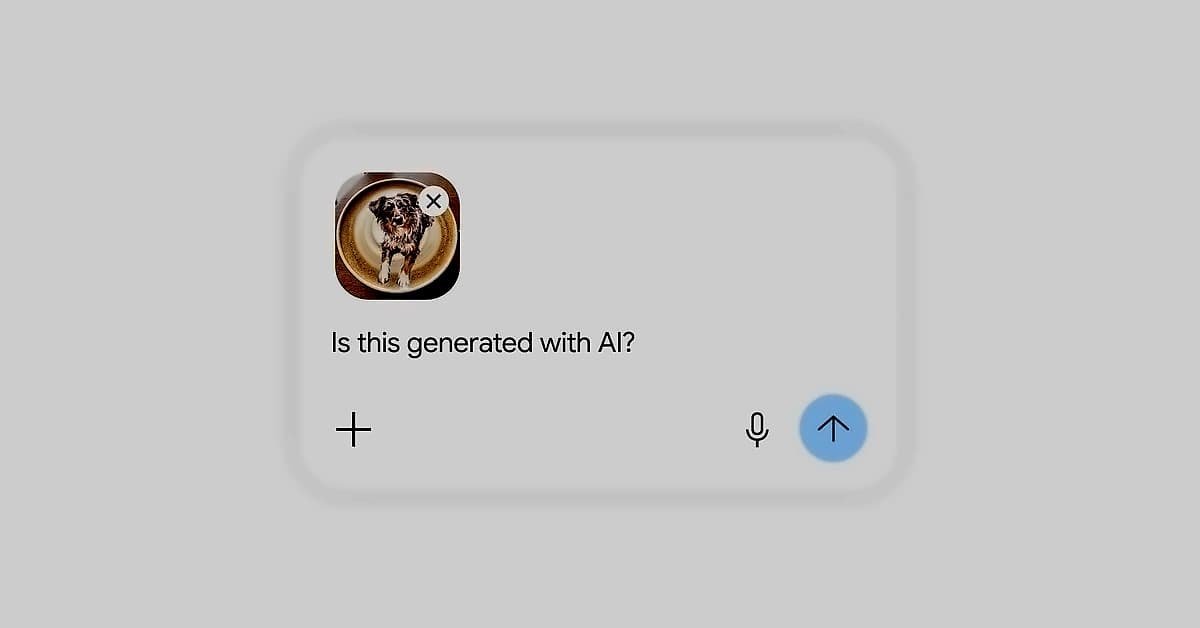
According to Business Standard, turning off the visible watermark does not remove all provenance markers from Gemini creations. Google confirmed that invisible SynthID watermarks and C2PA metadata will continue to be embedded in the background, meaning content can still carry information indicating its AI provenance even when the visible mark is removed. Google says SynthID remains embedded in AI-generated media, providing an invisible signal that can help identify content created or edited by Google AI. The company has also expanded verification tools in Gemini, allowing users to upload media and ask whether it was generated or edited with Google AI. As per TechRadar, users can still check if something has been made with AI by uploading an image inside the Gemini app, which should be able to tell you if it was made with AI, because of the invisible watermarks included in the file. As Woodward explains, "We're striking a balance here between creative control and safety: while the visible watermarks are now optional, invisible SynthID watermarks and C2PA metadata are still being used for transparency."
As reported by Business Standard, Google is also open-sourcing Credentio, a C++ library for working with C2PA Content Credentials. According to Google's developer blog, the library is designed for local validation of provenance records and can be used without sending media files to cloud servers or external validation endpoints. Credentio is based on code used across nearly 40 C2PA-enabled Google products and has supported billions of generated assets, including images, videos, audio files and documents. The company has also been expanding Content Credentials, which can provide information about a piece of media's origin and editing history, creating two separate layers of provenance tracking. This approach reflects Google's broader push toward machine-readable provenance rather than relying exclusively on labels that viewers can see.
The move aligns with broader industry trends, as reported by Business Standard. Anthropic recently announced that new Claude models will embed machine-readable watermarks in generated text that can survive copying and some editing. Anthropic stated that the marking system is embedded at the model level and is intended as a provenance signal rather than a definitive AI detector, forming part of its commitments under the European Union's AI Act's Article 50(2) Code of Practice on Transparency of AI-Generated Content. This approach reflects Google's broader push toward machine-readable provenance rather than relying exclusively on labels that viewers can see. The change puts Gemini on par with ChatGPT, which doesn't have visible watermarks on images, though both apps still embed metadata inside files that identify AI-generated content, making it increasingly challenging to spot AI-generated content without specialized tools.