Meta is implementing a significant privacy update for its Meta AI glasses that will automatically disable the built-in camera when the LED light is blocked, destroyed, or tampered with. According to reports from The Verge, the device currently switches on a white LED light whenever the user is capturing media footage to save to their gallery. The new update specifically addresses modder attempts to disable privacy features by taking actions such as drilling into the LED light. As announced in a blog post on July 7, the safety feature detects when a user has tampered with or covered the wearable's capture LED, a blinking white light on the edge of the frame that alerts others the wearer is using the glasses' camera. If the light is no longer visible, Meta says, the glasses will disable use of the camera until the device detects the light is visible again. The company emphasized that 'no other kind of camera has done this and we're proud to lead the industry forward' in this privacy-focused innovation.
This update builds upon Meta's existing security protocols, which previously included prompts asking users to uncover the LED light if it was blocked with tape or other objects. As reported by The Verge, Meta's Vice President of wearables Alex Himel confirmed the company was aware of modder actions and misuse reports, stating that the privacy-focused update would be launching shortly. However, modders had discovered various methods to bypass these previous restrictions. The safety feature is immediately available on second generation devices and will roll out across the entire line of wearables, including the new Meta Glasses by Kylie line, with the update being mandatory for all device users. Meta is also taking action against third-party sellers who advertise devices with disabled LEDs, including banning accounts on Meta platforms and vowing to take legal action against businesses advertising LED tampering services. According to 9to5Google, Engadget, and Times Now, the update is currently rolling out globally and represents an industry first in camera disabling technology.
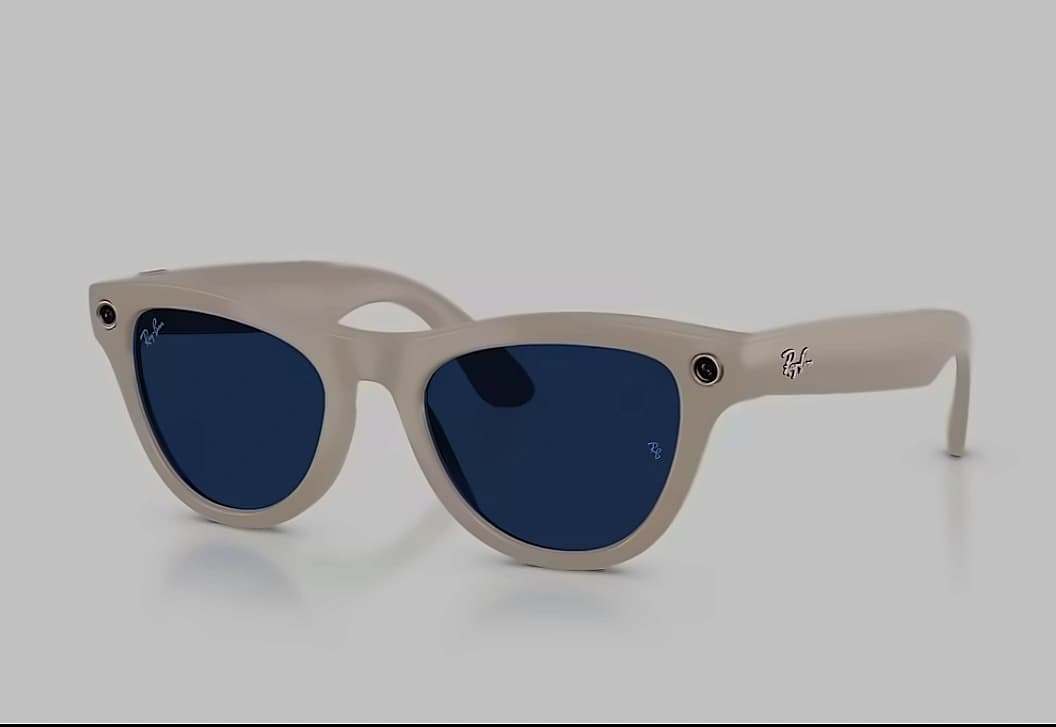
The update comes amid growing concerns about smart glasses misuse, particularly reports of users harassing women by filming them with the devices. According to Syracuse.com, the US's New York State will be banning the use of Meta glasses in its courtrooms. Courts and cruise lines in Philadelphia have also banned the use of smart glasses in their common areas. Public places have considered banning the device on their premises due to privacy and security concerns. Meta's line of smart glasses have sparked online debate about the ethics of filming others in public without their express consent, with critics noting the easy-to-miss LED is a key problem and urging the company to update its devices with more explicit indicators. The launch of Meta's latest set of AI Glasses has intensified public anger surrounding the devices, with critics raising concerns about how the glasses are being used to creep on women. The ACLU and 75 other organizations have called on Meta to abandon plans to add facial recognition to its smart glasses, arguing the technology posed unacceptable risks.
Despite Meta's proactive approach to addressing privacy concerns through hardware-level security measures, industry experts warn that technical solutions alone may not be sufficient. Recent testing reveals that Google AI's algorithm practically handed a soldering iron and ski mask to users when asked about bypassing Meta's new security features, demonstrating how easily hackers can circumvent hardware-level protections. As reported by Tom's Guide, the real challenge lies in the fact that hackers and modders will view this as an obstacle course rather than a hard stop, with potential workarounds including wiring internal LEDs that trick the camera into thinking the external light is on. Meta CTO Andrew Bosworth described the challenge of camera misuse as 'a cat and mouse game' at a recent press event, highlighting the ongoing efforts to address privacy concerns through technological solutions. The company's proactive approach demonstrates its commitment to addressing user concerns about smart glasses technology, but experts emphasize that true privacy protection will only happen when society decides that secret recording is socially unacceptable.