Google has officially launched Gemini Omni video editing capabilities in India, allowing users to upload and transform videos through conversational AI prompts without traditional editing tools. As reported by Business Standard, the new multimodal AI model enables users to upload existing videos, photos, drawings, or reference material and use conversational prompts to create or edit videos while maintaining visual consistency across multiple changes. The feature is now available through both the Gemini app and web version, with users able to modify scenes, change visual styles, add new elements, or refine clips simply by typing natural language prompts. Google confirmed that Omni combines the company's AI reasoning capabilities with advanced content creation tools, using its understanding of real-world physics concepts to create coherent and visually consistent results.
Google has implemented several key changes to address user concerns about unpredictable quota consumption and improve the overall user experience. According to Business Standard, failed AI requests will no longer count against user quotas, with usage charged only for successful completions. The company has also introduced free Flash-Lite prompts that will not count against user quotas, providing additional flexibility for subscribers. Complex Gemini 3.1 Pro prompts involving large file attachments that were quickly depleting limits have been capped, allowing users to get more value from the Pro model. Google is designing more detailed usage breakdowns and notifications to help users better manage their limits, with the company remembering user model choices across sessions unless manually adjusted or triggered by usage caps. The latest Gemini Omni launch includes invisible SynthID digital watermarking for all videos created using the tool, with users able to verify authenticity through integrated tools in the Gemini app, Chrome, and Google Search.
Google has successfully resolved the critical Gemini Omni video quota issue that caused usage limits to be exhausted after just one or two requests. As reported by Business Standard, the company has now doubled Omni video generation limits for Google AI Ultra members and introduced comprehensive changes to make quota usage more predictable. The bug that caused single AI avatar video requests to drain entire five-hour quotas within minutes has been completely fixed, with Google VP Josh Woodward confirming the resolution and announcing significant user-friendly improvements. The latest Gemini Omni launch represents a significant improvement in the platform's stability and user experience, addressing the technical issues that previously plagued the service.
Gemini Omni introduces conversational video editing capabilities that eliminate the need for traditional editing tools. According to Business Standard, users can edit videos using natural language prompts while Gemini Omni keeps scenes, characters, and physics consistent across changes. The model remembers previous instructions, helping maintain consistency in scenes, characters, and visual elements across multiple edits. Key video editing capabilities include transforming scenes and environments, changing actions inside videos, adding new characters or objects, and refining videos over multiple edits without losing continuity from the original scene. Users can upload drawings, reference photos, or existing footage as foundation for AI-generated scenes, with Omni applying visual styles, motion effects, and scene transitions based on uploaded references or written prompts. The platform also enables users to create digital versions of themselves using their own voice and appearance, with voice references supported initially for audio-based inputs while broader audio support will arrive later.

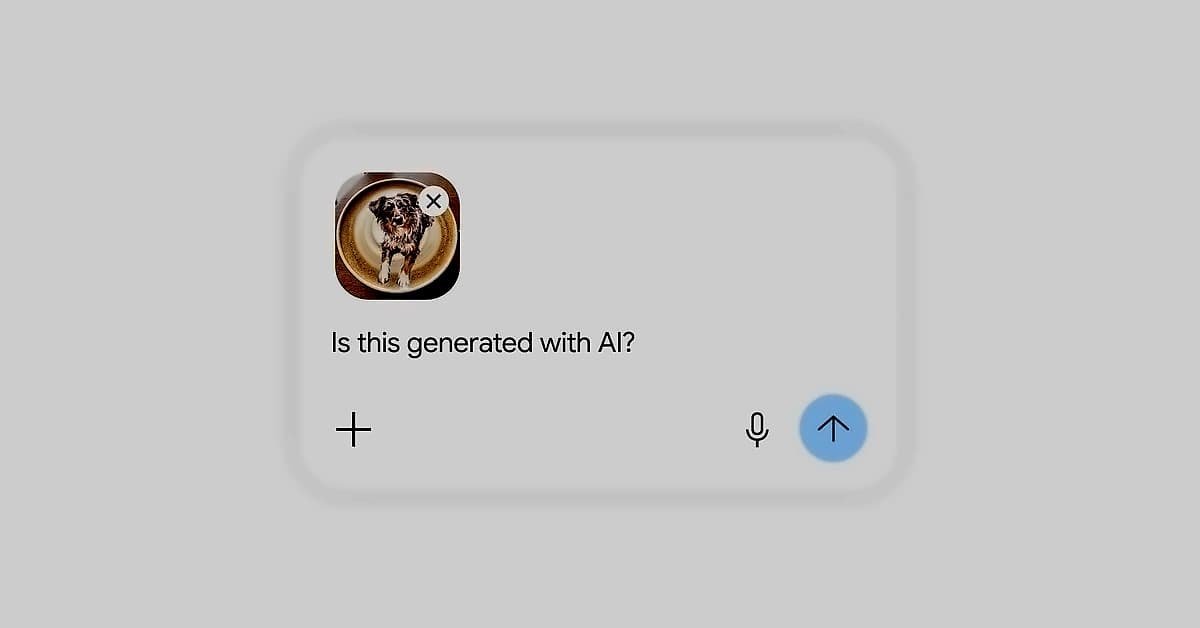
As part of its responsible AI initiatives, Google has confirmed that all videos created using Gemini Omni will include invisible SynthID digital watermarking to verify authenticity. According to Business Standard, users can verify whether a video was generated using Gemini Omni through integrated tools in the Gemini app, Chrome, and Google Search. Google has open-sourced SynthID text watermarking technology so developers can integrate it into their own AI models and tools, with the company announcing a partnership with NVIDIA earlier this year to expand SynthID use beyond Google products. The transparency measures include OpenAI and ElevenLabs using SynthID watermarking to help identify more AI-generated content across the web, demonstrating industry-wide adoption of responsible AI practices.