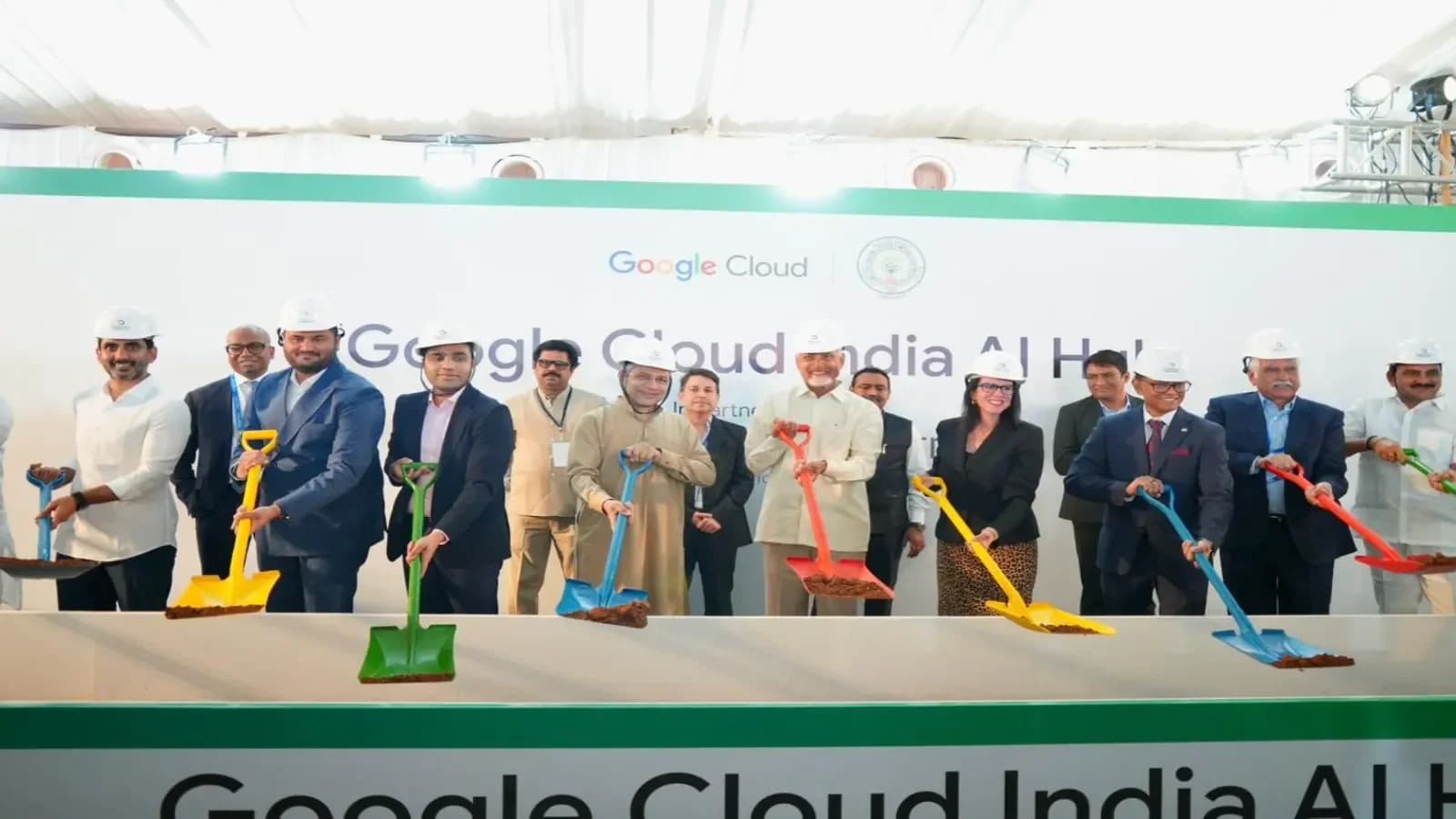
Google on Tuesday broke ground on a major artificial intelligence (AI) hub in Visakhapatnam, marking the start of what it described as its largest investment in India's digital infrastructure and AI ecosystem. According to reports from Upstox, the project is part of Google's planned investment of $15 billion in India over 2026–2030 to build a comprehensive AI ecosystem. The facility will offer high-performance, low-latency computing for businesses and researchers, supported by subsea cable connectivity and clean energy integration. As reported by Google Cloud Press Corner, this represents a bold step towards Viksit Bharat, creating a national industrial ecosystem that integrates gigawatt-scale AI infrastructure with a new international subsea gateway.
The project, being developed in partnership with AdaniConneX and Nxtra by Airtel, will create India's first gigawatt-scale AI infrastructure comprising three data centre campuses in Andhra Pradesh. As reported by Upstox, Union IT Minister Ashwini Vaishnaw and Andhra Pradesh Chief Minister N. Chandrababu Naidu attended the groundbreaking ceremony at Tarluvada near Visakhapatnam. The hub will include expanded fibre-optic connectivity under an "America-India Connect" initiative and a clean energy strategy aimed at supporting India's target of 500 GW non-fossil fuel capacity by 2030. Under the partnership, AdaniConneX and Nxtra by Airtel will lead construction of the data center campuses and related infrastructure, enabling Google to deploy advanced cloud and AI capabilities at scale.
Beyond raw computing power, the Vizag megahub physically expands global network infrastructure by positioning Vizag as a landing point for new submarine internet cables. These lines will link India directly to Singapore, providing vital network diversity as India currently relies heavily on existing cable landings in Mumbai and Chennai. According to Google Cloud Press Corner, these new strategic fiber optic routes will increase the resilience of India's digital backbone and significantly improve economic security. The gigawatt-scale data center campus serves as the core of this project, purpose-built to handle the immense computational demands of the AI era and directly power major services like Google Search and Gemini.
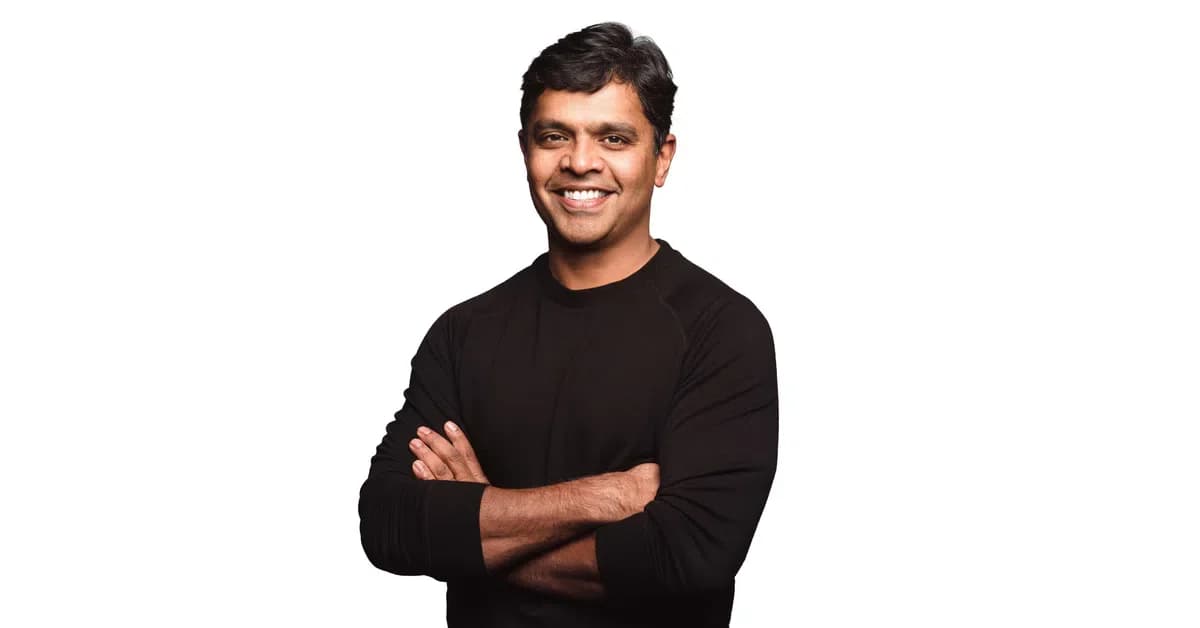
Vaishnaw said the AI hub, along with subsea cable infrastructure planned in Visakhapatnam, would play a key role in strengthening India's digital backbone and technological leadership. Naidu highlighted the journey to build India's most coveted AI and deep-tech hub, while Google Cloud CEO Thomas Kurian emphasized that the facility would act as a catalyst for AI-led growth and open up new economic opportunities. As reported by Google Cloud Press Corner, the project aims to fuel the national "Vikshit Bharat 2047" vision, with Google committed to deploying its full AI stack to empower Indian consumers and enterprises. The infrastructure will support advanced AI workloads, cloud services and large-scale digital transformation across industries, with the hub expected to process massive workloads and strengthen India's position as a global AI and technology leader.
Google also announced a series of community-focused initiatives in the Visakhapatnam region, including watershed management and water access projects, digital and financial literacy programmes for fishing communities, grants for local innovation, and skill development initiatives targeting youth and women entrepreneurs. The AI hub is expected to provide high-performance, low-latency computing capabilities for businesses, startups and research institutions to build and scale AI applications. The launch coincided with the Bharat AI Shakti Conclave, a conference focused on building India's AI industrial corridor, which brought together suppliers, SMEs and industry stakeholders to integrate local businesses into the global AI infrastructure value chain. According to Google Cloud Press Corner, alongside this infrastructure milestone, Google is introducing local community programs in water stewardship, maritime trade modernisation, scaling women-led businesses, and skilling to build a future-ready workforce.