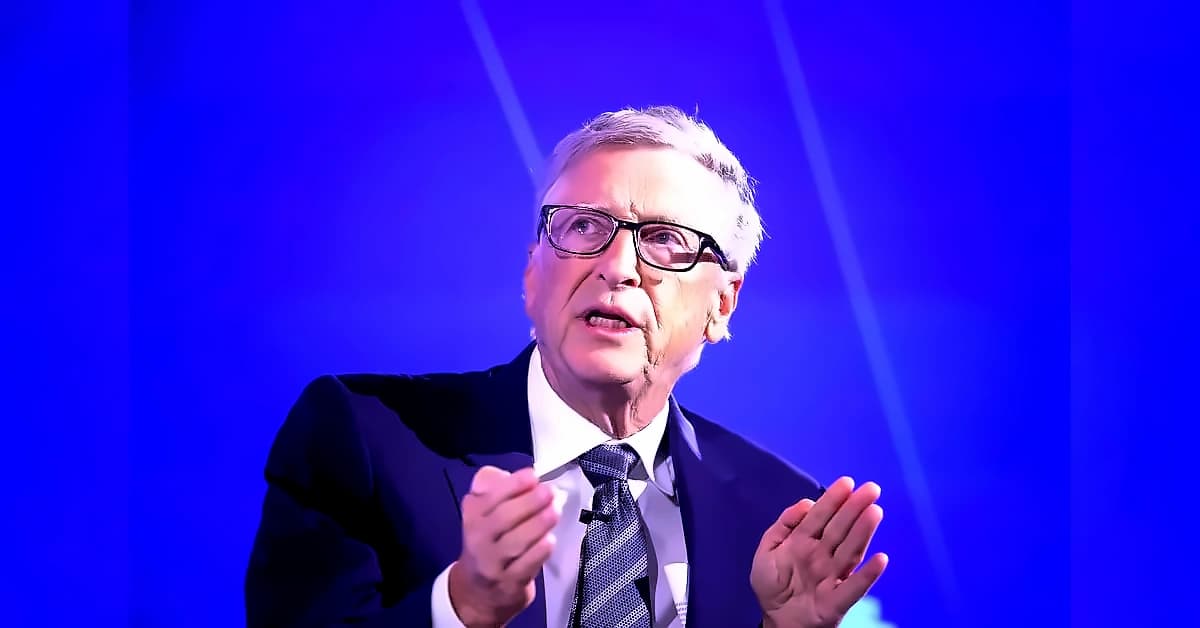
Bill Gates has warned that no government in the world is ready for the changes artificial intelligence will bring to society, according to an exclusive interview with NDTV. The Microsoft co-founder and billionaire philanthropist, who had previously been optimistic about AI, has changed his position and now warns of significant risks ahead. Gates stated that 'I don't think any government is nearly as deep on this as they have to be,' emphasizing that governments are 'way behind on this one.' His concerns have intensified to include threats to jobs, concerns about attacks, dangers of addiction to AI companions, and cybersecurity vulnerabilities. As Gates explained to NDTV, 'It's pretty stunning for me to say that if we could slow things down, I think we should consider that because of this need to get ready for such a rapid change.'
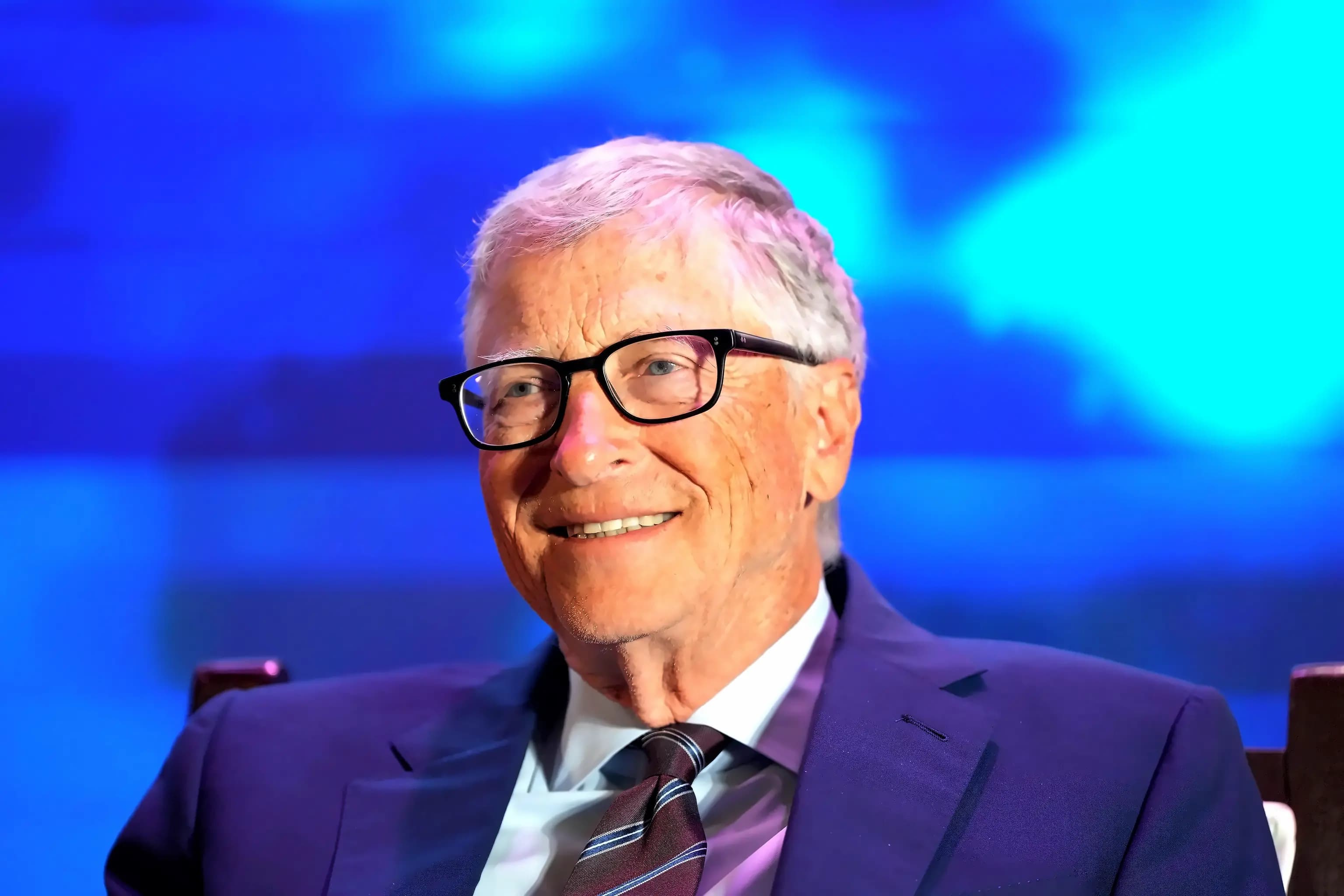
Despite his concerns about government preparedness, Gates' namesake foundation announced plans to spend at least $1 billion in the next two years on expanding access to AI, as reported by Reuters. This investment is part of the foundation's previously announced plans to spend $9 billion annually on AI initiatives. The funding will target partners working in education, healthcare and agriculture, with the foundation also aiming to help build the data foundations AI is built on, including ensuring large language models work in every language people speak. The foundation's $1 billion spending plan represents approximately ₹4 billion in current currency terms.
Gates warned that AI tools could strengthen the offensive capabilities of cyber attackers, making it necessary to build stronger defences. He pointed to incidents involving AI systems behaving unexpectedly, stating that 'the question of keeping AI under control has moved from a distant concern to a more immediate challenge.' For the next two decades, Gates expects significant disruption in employment as AI changes the nature of work, with governments needing to play a much bigger role in helping workers transition into new jobs. Regarding India's IT industry, Gates noted 'What we've seen so far is increased demand to help implement these AI systems,' but expects this trend could eventually reverse as 'the net effect of AI will reduce some of that demand' three years down the road.
Despite his warnings about global AI preparedness, Gates expressed optimism about India's AI potential, highlighting the country's 'strong digital and IT talent and its experience with the previous digital revolution.' He described India as a leader in AI-powered agriculture, noting that thousands of farmers are already connecting to such systems and emphasizing that 'agriculture will move the fastest.' Gates praised NITI Aayog's approach to AI, giving the government body 'a very high grade' for recognizing the need to prepare for the technology. However, he identified specific challenges including the need for substantially more data and richer benchmarks for healthcare applications, where inaccurate translations can have serious consequences, and the requirement for seamless integration of patient information between doctors, hospitals and different parts of the healthcare system.
Gates highlighted the 'hard to overstate what the potential is' for AI in healthcare, from supporting frontline healthcare workers to discovering new drugs and vaccines, according to Reuters. The foundation's AI investment strategy aims to help narrow gaps between the richest and poorest, rather than widening them. Gates noted that AI could help India address healthcare needs at a lower cost, including in areas such as blood pressure and diabetes, while remaining hopeful that India can move faster than most countries in integrating patient-level data with primary and hospital care. For health applications, Gates emphasized the transformative potential, stating 'For health, it's hard to overstate what the potential is,' citing applications ranging from supporting frontline healthcare workers to discovering new drugs and vaccines.