The government is considering implementing uniform rules for messaging apps to address growing concerns over cyber fraud and digital security. This development gained momentum after MeitY issued notices to WhatsApp, Telegram and Signal seeking details about their username-based features and associated safeguards. According to latest reports, WhatsApp and Telegram have reportedly submitted their responses, outlining the security measures built into their systems, while the government is currently reviewing these submissions. Signal, which also received a notice from the ministry, is yet to submit its response. Meanwhile, Zoho founder Sridhar Vembu recently announced that the company would disable the username-based account feature on its messaging platform Arattai to comply with the proposed regulatory changes.
Adult content creators are facing a new digital threat as scammers compromise trusted government and university websites to distribute malicious content. According to UpGuard analysis via WIRED, adult-content-related copyright complaints involved 2,167 government and education domains across 80 countries between September 2011 and May 2026. The dataset covered 384,286 takedown requests and 631,193 reported URLs, with 646 government websites and 1,521 educational institutions affected. These compromised sites are being used to distribute pages advertising supposedly leaked OnlyFans content, often containing no stolen material at all but using popular creators' names to lure visitors toward dating scams or malicious downloads.
Content creators are increasingly seeking both preventive and post facto legal help after a spate of cases involving stand-up comedians and digital creators led to criminal complaints, prolonged police investigations, and court appearances. According to reports from Mint, creators across the country are now seeking preventive legal assistance to vet scripts, stand-up sets, podcasts, videos, promotional material, and social media content for potential risks. They are also reaching out to lawyers to respond to legal notices, criminal complaints, FIRs, police investigations, defamation claims, and other litigation arising from published content.
The growing reach and proliferation of social media and digital platforms has intensified public scrutiny, nowhere more evident than in last year's national outrage over Samay Raina's India's Got Latent, where a judge's remark to a contestant about his parents sparked widespread backlash and criminal complaints. As reported by Mint, the legal scrutiny following India's Got Latent, which resulted in multiple FIRs, regulatory attention and court proceedings, highlighted how a single piece of digital content can trigger simultaneous legal actions across different jurisdictions. Kushagra Tiwari, founder and CEO of influencer marketing agency Exif Media, noted that recent controversies have made creators far more proactive, with legal consultation increasingly becoming a pre-production necessity rather than a post-crisis response.
Legal vetting today extends far beyond reviewing jokes or scripts, according to Sonam Chandwani, managing partner at KS Legal & Associates. Lawyers now advise on defamation exposure, intellectual property clearance, fair use limitations, permissions for third party content, contractual rights with platforms and sponsors, personality rights, advertising disclosures, privacy implications, compliance with platform policies, and regulatory obligations. Pritha Jha, partner at Pioneer Legal, noted that shows have gone from zero lawyers for season one to a battery of lawyers in season two, with lawyers tasked with questions about legally defensible content within current law framework.
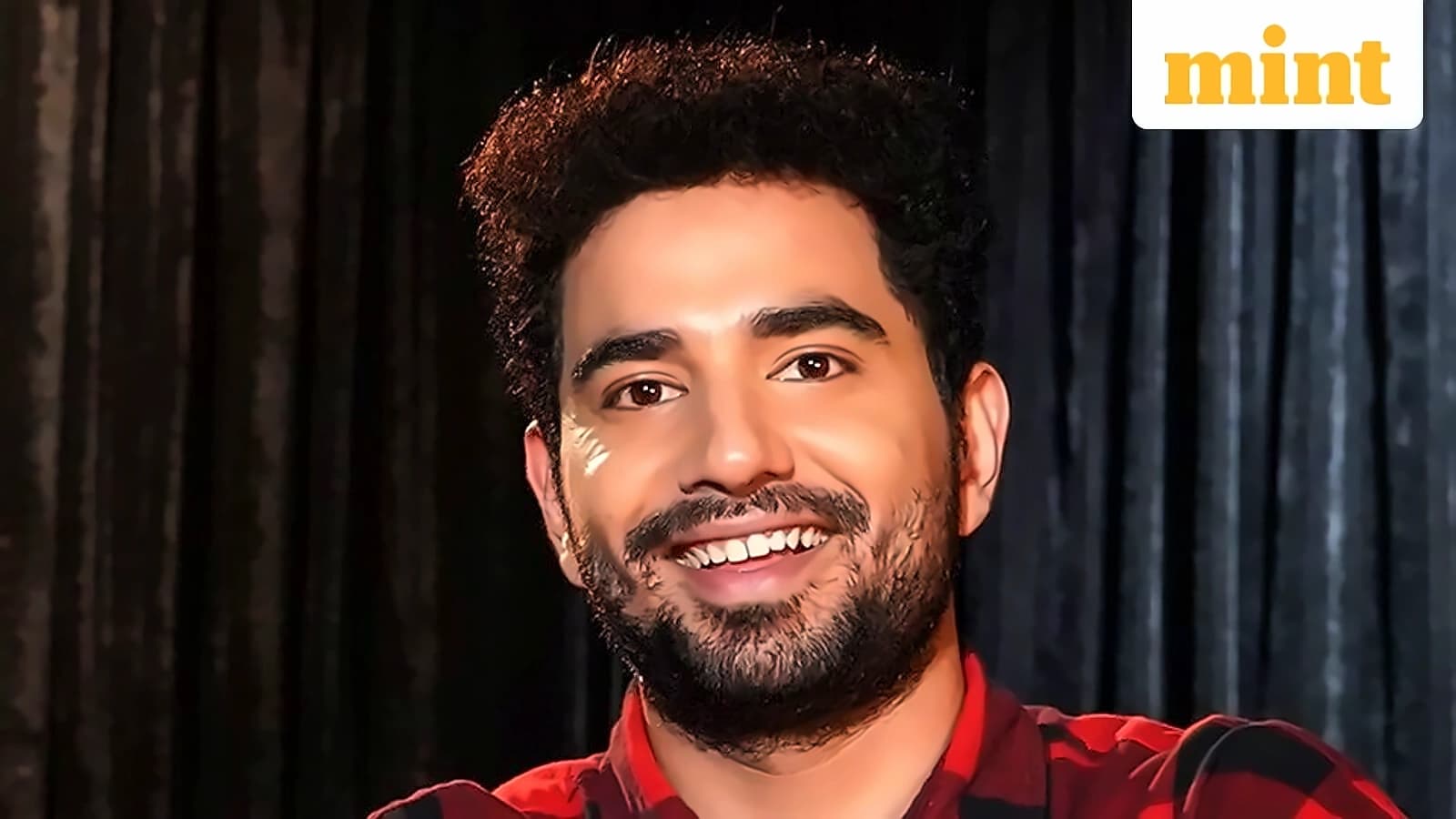
Beyond content itself, creators are also becoming more aware of protecting themselves professionally as their careers grow. According to Mint, as a creator's career grows, they start working with brands, music labels, production houses and OTT platforms, and that's when they realise how important it is to understand contracts and rights. Rapper and songwriter Agsy emphasized that for artists today, it's not about being afraid to speak, it's about understanding the responsibilities that come with having a large audience, while also ensuring they're protected as a professional with the right legal guidance before signing agreements or releasing content.