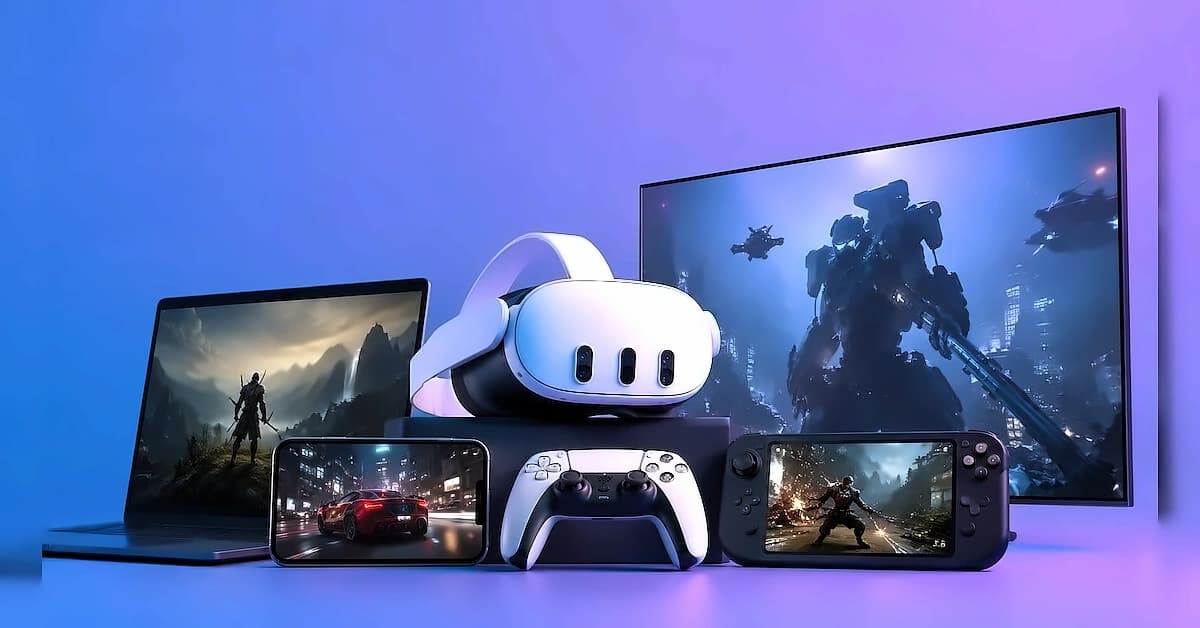
The connected TV landscape is witnessing an intensifying battle for platform dominance, with operating systems becoming central hubs for advertising, data, and subscriptions. According to a new report from TVREV, the streaming wars are shifting from individual apps to connected TV platforms that control content discovery and monetization. Smart TV operating systems from companies like Samsung, LG Electronics and Roku are evolving from simple navigation points to robust platforms that collect valuable viewership data and manage growing advertising inventory. This strategic evolution reflects the industry's recognition that CTV platforms that dominate living rooms will exert greatest control over viewer attention and advertising dollars.
RHStv is evolving beyond traditional streaming television into what the company describes as a next-generation Audience Intelligence & Distribution Ecosystem. Built through the combined capabilities of RHStv and Red House Streaming — subsidiary companies of CP Communications — the ecosystem integrates content creation, Connected TV distribution, audience engagement, advertising, creator commerce, analytics, and future-facing audience intelligence technologies into a unified media environment. As media consumption continues shifting away from traditional broadcast and fragmented digital strategies, RHStv is positioning itself as a modern media operating system focused on audience retention, discoverability, engagement, and monetization.
The rise of free ad-supported streaming television (FAST) has accelerated the strategic importance of operating systems, as reported by TVREV. FAST services are increasingly integrated directly into TV interfaces, giving platform owners greater control over audience discovery and monetization opportunities. Home screens have become premium advertising real estate as viewers spend more time browsing before selecting content. This development creates new opportunities for operating systems to capture additional revenue streams beyond traditional advertising, while CTV developers have evolved their platforms to support growing pools of highly-sought advertising inventory.
Europe presents unique challenges and opportunities for connected TV platforms, as noted in the TVREV report. While streaming platforms have overtaken broadcast and cable TV in the U.S., TV audiences in Europe still watch a mixture of free-to-air channels and pay TV networks delivered over cable and satellite. Some streaming platforms carry live feeds of public service broadcasters like the BBC in the UK and Das Erste in Germany. Advertising trends are different globally, with knowing how companies buy advertising inventory in specific markets being a significant benefit for tech companies concentrating efforts on those spaces. V's strategy of shipping smart TVs and nurturing streaming and advertising markets in underserved parts of the world is paying off, with research from Omdia showing the company's V platform is expected to overtake LG's market share in Europe in the near future.
Despite connected TV's growing popularity as an advertising medium, advertising dollars have not significantly shifted from traditional linear television to streaming platforms. According to reports from Mint, while audiences are gradually moving from linear to connected TV sets, the revenue transition has not kept pace with this audience migration. This disconnect highlights a fundamental challenge in the digital advertising ecosystem, though emerging platforms like RHStv are working to address these gaps through comprehensive audience intelligence and distribution capabilities. The TVREV report confirms that the battle for attention and consumer dollars has shifted from streaming apps and services to connected TV platforms that control content discovery and monetization.