China has achieved a significant milestone in brain-computer interface technology by approving what is being described as the world's first commercially available brain chip after successful clinical trials. According to reports from The Times of India, the coin-sized implant called NEO has become the first surgically implanted brain-computer interface device to clear clinical testing for commercial use. The device was developed by researchers at Beijing's Tsinghua University and Shanghai-based Neuracle Technology, with mass production expected for China's state-run healthcare system.
The NEO implant represents a different approach compared to Neuralink's technology, as reported by The Times of India. Unlike Neuralink's N1 device, which requires electrodes to penetrate the brain's cerebral cortex, NEO is designed to sit between the skull and the brain. The device features eight sensors placed against the dura mater, the brain's protective outer membrane, reducing invasiveness. The first version of NEO is specifically aimed at helping patients with spinal cord injuries and paralysis regain control over parts of their nervous system. Researchers believe the less-invasive approach may help reduce medical risks traditionally associated with brain implants.
Neuralink has launched clinical trials for people who have spinal cord injuries, ALS and other conditions, with the company announcing 21 trial participants worldwide as of January, as reported by recent developments. The company continues human trials in the United States but has yet to receive broad regulatory approval for commercial use. Speaking via video link at an event in Israel, Musk argued that Neuralink does not receive enough recognition for its achievements, stating 'Restoring control of people who are tetraplegics and restoring sight, I think, are pretty big deals,' adding 'They're sort of what I might call Jesus-level technologies.' Neuralink has stated its implants could eventually allow users to type, move computer cursors and operate devices using only their thoughts.
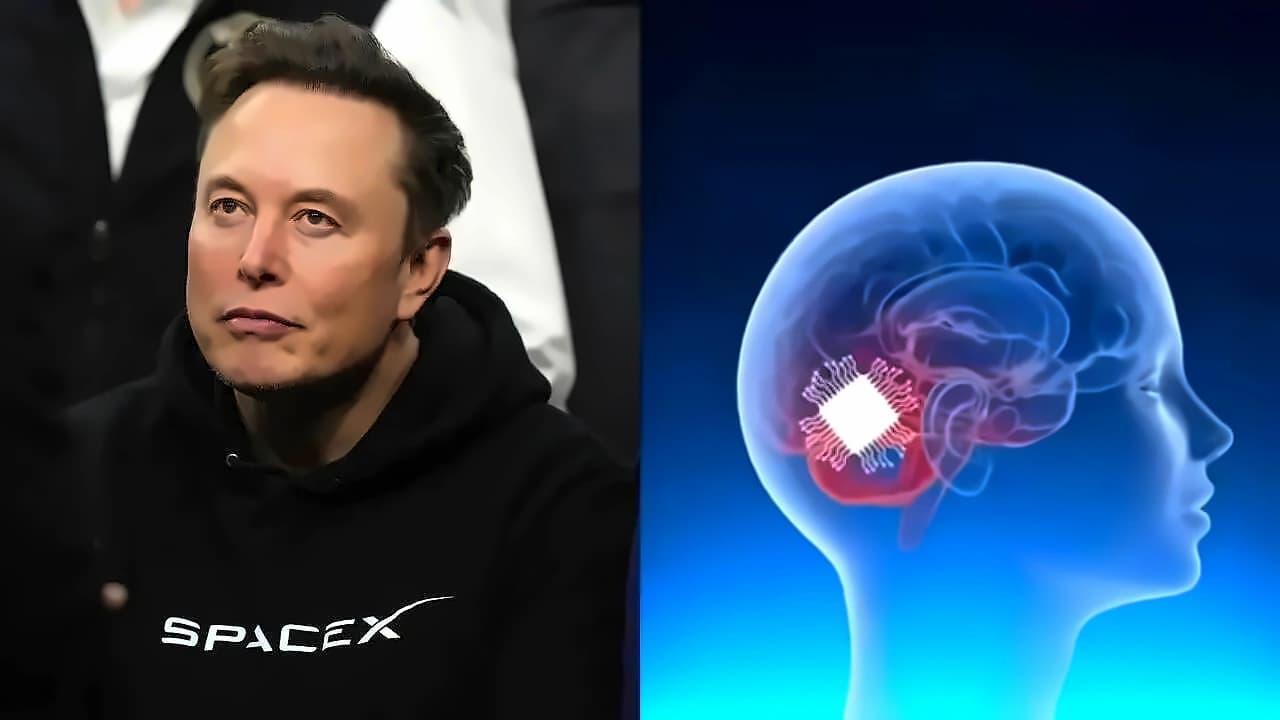
Brain-computer interfaces are viewed as the beginning of a larger shift in human-machine interaction, as reported by The Times of India. The technology could improve lives of millions suffering from neurological disorders, extending beyond paralysis and spinal injuries to conditions such as Parkinson's disease, epilepsy, stroke and depression. However, experts have raised concerns about privacy, security and safety implications. Griffith University cybersecurity expert Dr David Tuffley warned that devices could theoretically allow hackers to access sensitive neural data and potentially manipulate motor signals to affect patient movement.