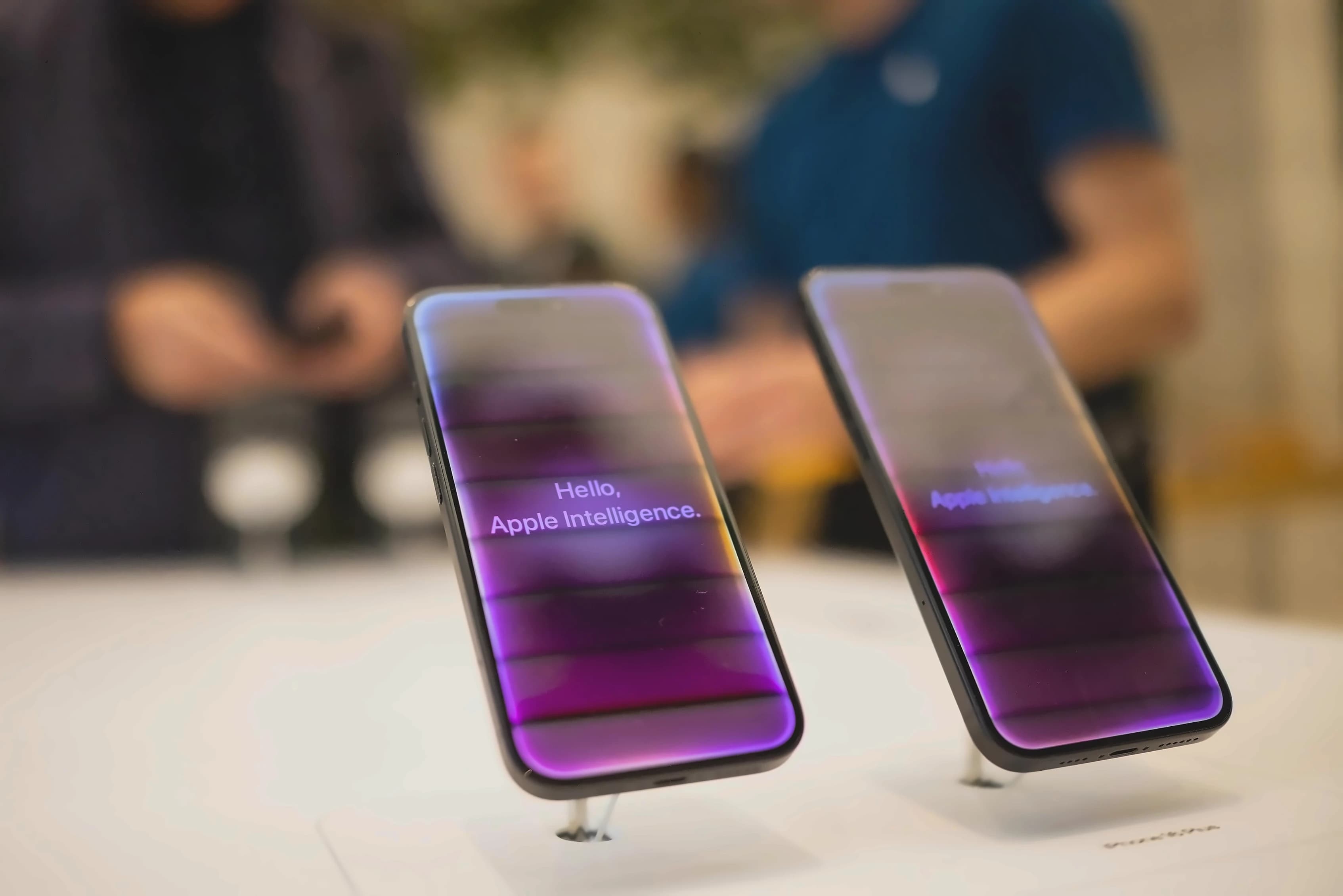
Apple has officially integrated Alibaba Group's Qwen artificial intelligence model into Apple Intelligence for users in China, as confirmed in an update to the Simplified Chinese Mac user guide published by Apple on its official website. According to China Daily, the confirmation appeared in the latest update to the user guide, marking the official rollout of this AI integration. However, on August 9, the support document was removed from Apple's official website, reverting to a previous version that referenced ChatGPT integration. As reported by Reuters, Apple published guidance explaining how eligible Mac users in mainland China can connect Alibaba's Qwen AI to the company's Siri assistant and Writing Tools feature, with the arrangement potentially helping Apple compete in China's AI PC market.
Apple has developed a large language model specifically for the China market, marking a departure from the iPhone maker's previous strategy of relying on third-party models to power AI features in China. According to Reuters, the AI model was developed in partnership with Alibaba Group and trained with the Chinese tech giant's support, with the training process completed in recent months. This development represents a significant strategic shift for Apple, as the company had previously leaned towards domestic partners' models to bring generative AI to iPhones and other devices sold in China, where U.S. models such as Anthropic's Claude and OpenAI's ChatGPT are not available. The move follows a lengthy regulatory process that ended last month when the Cyberspace Administration of China registered Apple's generative AI service in July, clearing the way for Apple Intelligence to reach Chinese iPhones for the first time.
The integration allows Mac users in mainland China to connect Alibaba's Qwen artificial-intelligence service to Apple's Siri digital assistant and Writing Tools feature. As reported by China Daily, Qwen can be used through Siri and Writing Tools to write, rewrite, and summarize text. The extension is available on macOS 26.6 or later, but access is restricted to users who are in mainland China with the country or region set according to that location in their Apple ID. Qwen is Alibaba's family of generative-AI models, which can create text and images and analyse documents, photos and other material in response to user prompts. The latest update demonstrates how users can ask Siri to analyse photos and documents using Qwen, enhancing the capabilities of Apple's built-in software. Under the approved agreement, Alibaba's Qwen model is expected to be integrated into Apple Intelligence across compatible iPhones, iPads, Macs and Vision Pro devices in China.
Apple's planned rollout represents a unique dual-track strategy on AI deployment for a foreign firm in China, allowing the company to navigate steep regulatory hurdles that have limited access for many other U.S. technology firms. According to Reuters, Apple's China-tailored model would give the company greater control over the AI experience in its most competitive overseas market, where it has lost ground to local rivals including Huawei that have raced ahead with AI-equipped handsets. The move would make Apple the first foreign company approved by Beijing to offer a proprietary AI model in China, marking a rare collaboration by U.S. and Chinese tech firms amid a widening trade and diplomatic rift between the two countries over AI. Apple Intelligence, the company's suite of AI tools, is expected to launch in China in the coming months after an update to its iOS operating system. Apple's decision to train its own China-specific model could allow the company to combine its proprietary AI technology with locally approved models and services, though the exact role of the new model alongside Alibaba's Qwen and other Chinese AI technology remains unclear.
Apple's AI strategy comes as the company seeks to strengthen its position in China's highly competitive smartphone market, where it has shown resilience despite broader industry challenges. According to IDC, China's smartphone shipments fell 4.3% year-on-year to about 66 million units in the second quarter of 2026, but Apple was one of only two major manufacturers to record growth, with shipments rising 24.4% and its market share reaching 18.1%. Huawei remained the market leader with a 22.6% share. Apple's partnership with Alibaba was first publicly confirmed in February 2025, when Alibaba Chairman Joe Tsai said the companies had chosen to work together on AI for Apple's Chinese devices, with the rollout subsequently delayed as the companies worked through China's regulatory requirements.