Amazon has achieved a significant milestone by becoming the first major demand-side platform to integrate with OpenAI Ads, marking a major shift in how brands can access AI-powered advertising opportunities. According to CNBC, this integration represents a notable turn for a company that had previously blocked AI assistants such as ChatGPT, Anthropic's Claude, and Google's Gemini from accessing its online retail ecosystem, even as it developed competing AI-powered shopping features of its own. The deal gives Amazon advertisers access to a rapidly growing conversational platform, with ChatGPT achieving 900 million weekly active users as reported by OpenAI in February. As of September 10, advertisers using Amazon Ads — the retail giant's advertising platform, which includes its buying tool, the Amazon DSP — can now purchase ads inside the ChatGPT app, with Delta Vacations among the first named participants in this pilot program.
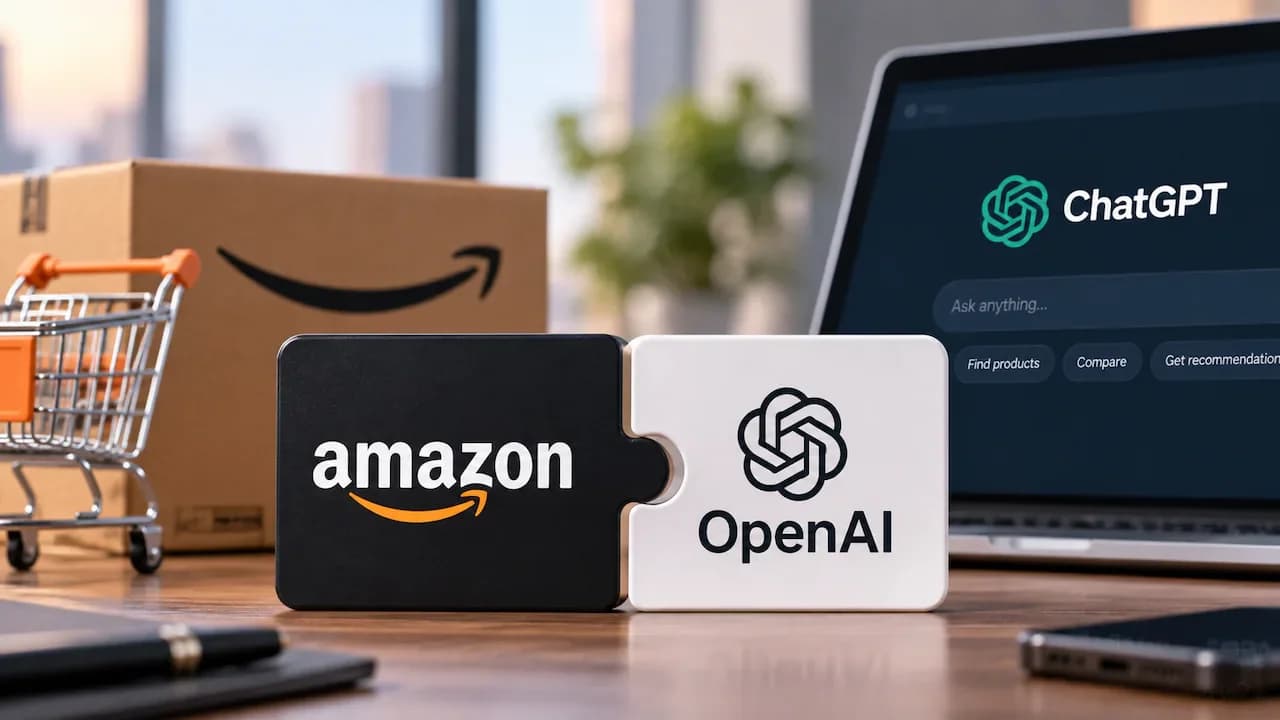
ChatGPT has achieved substantial growth, reaching 900 million weekly active users as reported by OpenAI in February. The platform's advertising business has expanded rapidly and recently reached an annualized revenue run rate of around $1 billion in less than 200 days, as reported by CNBC. The ads will appear as text or image placements below ChatGPT responses, providing Amazon advertisers access to this rapidly growing conversational platform. OpenAI began offering paid placements inside ChatGPT to U.S. advertisers in February, with early partners drawn from the retail sector, including Best Buy and Williams-Sonoma. For OpenAI, bringing Amazon's advertising network onto ChatGPT could further strengthen its emerging ad business and expand the range of brands competing for visibility within AI-generated conversations. The timing of this deal coincides with OpenAI's reportedly ambitious target of $100 billion in ad revenue by 2030, which would require sustaining a compound growth rate above 200% annually.
The integration represents a significant shift for Amazon, which had historically restricted access to its online marketplace from major AI platforms. According to CNBC, Amazon had been purchasing ChatGPT ads itself and ranked as the leading retail advertiser on the platform from April through August, as confirmed by Sensor Tower data. By becoming the first major demand-side platform to integrate with OpenAI Ads, Amazon is signaling that the AI chatbot has become a significant marketing channel for brands seeking to reach consumers. In a blog post, Amazon described conversational ad formats as the 'fastest growing engagement opportunity' available to brands trying to connect with shoppers. The latest agreement puts Amazon in a campaign-management role between its existing advertisers and OpenAI's conversational ad product, allowing the company to participate in conversational advertising without surrendering control of its retail destination. As reported by eMarketer, Amazon's pitch that buying the best inventory costs less and targets better than competitors has gained traction, with the company's ad spending growing significantly, partly at the expense of rivals like The Trade Desk.
Chris Conetta, director of omnichannel supply at Amazon's demand-side advertising platform, emphasized the strategic importance of conversational advertising as reported by CNBC. "With access to ChatGPT Ads, advertisers can now extend their campaigns further into where their customers are actively spending time in conversational chat platforms," Conetta stated. The partnership reflects Amazon's recognition that conversational advertising is becoming an important way for brands to reach consumers as more people use AI platforms for product discovery and purchasing decisions. An Amazon spokesperson confirmed that the company takes responsibility for building and running ad campaigns, while decisions about how and when those ads are delivered fall to OpenAI's ad system. For users, OpenAI states that ads are clearly labeled and separate from answers, and that advertising does not influence ChatGPT's answers. Delta Vacations president Katrin Koenig noted that "travel planning is becoming increasingly personalized, and travelers expect experiences that feel relevant," highlighting how travel advertisers could be among the first to test whether Amazon's competitive advantage holds in this new AI-powered marketing channel.