Bharti Airtel shares gained 2.44% to hit an intraday high of ₹1,854.70 on Wednesday following the announcement of enhanced postpaid plans with free international roaming as the latest addition. As per The Economic Times, the stock was trading 1.78% higher at ₹1,842.80 compared with the previous close of ₹1,810.50. The positive market reaction came despite broader market weakness, with the NSE Nifty50 trading at 22,575.65, down 200.45 points or 0.88%. The enhanced postpaid plans, which also offer Fast Lane technology, unlimited data, and network-level buffer against spam and fraudulent links, demonstrate the company's continued focus on premium service offerings and customer experience enhancement.
The new postpaid plans include free international roaming as the latest addition to existing benefits, alongside 5G Fast Lane technology, unlimited data, and network-level buffer against spam and fraudulent links. According to Mint, customers also have access to a range of entertainment subscriptions via The Airtel Postpaid Advantage Club, which offers customers access to experiences such as comedy shows, movie premieres and concerts. Existing Airtel customers can upgrade through the Airtel App or at an Airtel store, while non-Airtel users can switch to postpaid by submitting a request through the app or visiting a store. The plans offer Xstream Play Premium, Google One, Amazon Prime, JioHotstar, Apple subscriptions, Apple Music, Apple iCloud+ and Netflix depending on the plan tier, with the company emphasizing that postpaid is about delivering the best-in-class experience in the Indian market. Amit Tripathi, Director, Market Operations at Bharti Airtel, highlighted that the company offers the best network experience in the country, on which they offer Fast Lane technology on 5G, and constant Spam and fraud protection.
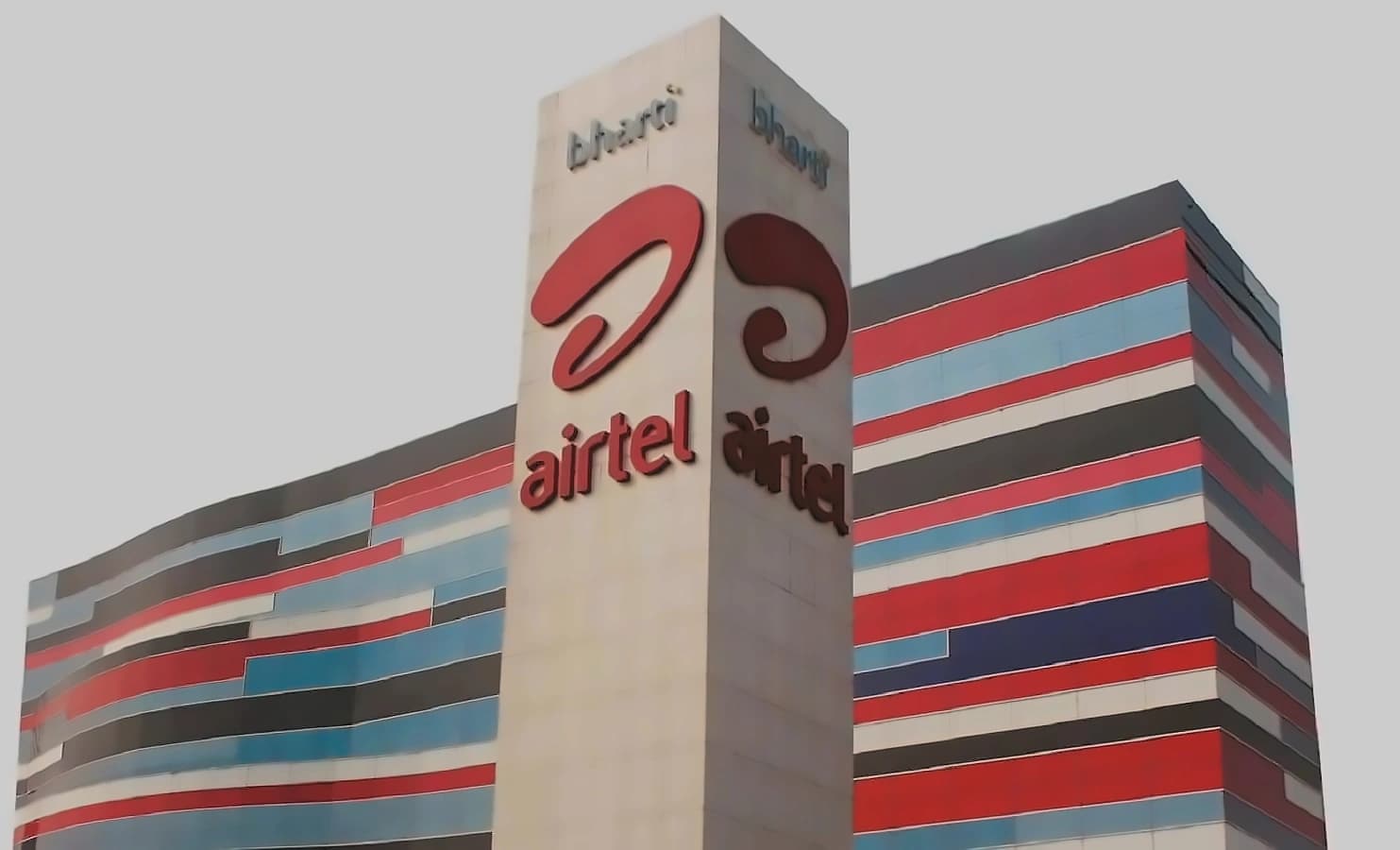
Airtel CEO Shashwat Sharma emphasized that tariff hikes are timely as competition stabilizes, stating that "in half the country, it's a three-player game, and it's good for India that we have three operators which are becoming healthy and can compete." According to Business Standard, Sharma believes there are "enough people in this country who are paying enough for just basic services, and there are a lot of people using very high-end services and consuming a lot of data who need to pay a little bit more." He stressed the importance of correcting pricing architecture to achieve the real outcome. The CEO noted that "one blinks, others follow within days" - a pattern observed over the last decade where telecom operators typically follow each other's pricing moves. Historical data shows similar patterns - in 2019, Bharti Airtel and Vodafone Idea implemented tariff hikes on December 3, followed by Jio's "All-in-One" plan three days later with 20-40% increases.
Airtel is building out a 1 gigawatt (GW) capacity at Nxtra over the next four years, as confirmed by the company's leadership. According to Business Standard, the company has "all the resources, we've got the power, we'll build that out, and we'll build a very strong offering on top with cloud across." Sharat Sinha, CEO – Airtel Business, emphasized that secure-by-design customer engagement had become essential for enterprises looking to scale in a digital economy. The platform extends Airtel's network-level fraud prevention capabilities to enterprises, allowing them to build customer trust through secure communications and helping banks, government departments and logistics firms reduce cybercrime losses while strengthening customer interactions. Prime Minister Narendra Modi's recent comments on fraud management needing a global framework align with Airtel's pioneering efforts in this area.
Historical data from CNBC TV18 shows the effectiveness of previous tariff hikes in improving Average Revenue Per User (ARPU). After the 2019 distress call hikes, Bharti Airtel's ARPU jumped from ₹135 in Q3 FY20 to ₹166 in Q3 FY21, while Jio's ARPU increased from ₹128 to ₹151 and Vodafone Idea's ARPU rose from ₹109 to ₹121. The 2021 hikes further improved ARPU, with Bharti Airtel reaching ₹193 in Q3 FY23 and Jio achieving ₹178. The latest 2024 hikes, driven by 5G monetization, saw Bharti Airtel's ARPU improve to ₹245 from ₹211 and Jio's ARPU reach ₹206 from ₹182. Looking ahead, Equirus Securities anticipates a major 10-20% tariff hike in H2 FY27 combined with 5G pack monetization, which could push Bharti Airtel's ARPU above ₹300 by FY28.
Despite Wednesday's gains, Bharti Airtel shares have declined 12.28% so far this year, according to NSE data, reflecting broader market volatility and sector-specific challenges. However, the latest postpaid plan enhancements and enterprise solutions launch through Airtel Business demonstrate the company's strategic focus on premium services and diversified revenue streams. Motilal Oswal has reiterated its buy rating on Bharti Airtel with a price target of ₹2,250, citing improved free cash flow, deleveraging and continued premiumisation. The brokerage expects the telecom sector to see a tariff increase of 15% in smartphone tariffs in December 2026, with the proposed Jio Platforms IPO as a key re-rating catalyst for both Bharti Airtel and Reliance Industries.