Bank of America projects that India could become one of the world's largest markets for consumer AI, yet the bank expects adoption of AI assistants to face significant behavioral barriers that technology alone cannot overcome. According to the report, consumers still prefer specialist apps, seek advice before making purchases, and remain cautious about handing over spending decisions to automated tools. The bank believes it is too early to conclude that agentic AI will pick up particularly for difficult/complex tasks despite India having the right ingredients for consumer agents to succeed.
The report identifies one of the biggest obstacles as India's failure to adopt the 'super-app' model seen in countries such as China, where consumers continue to rely on separate apps for shopping, food delivery, travel bookings and payments. Bank of America described India as a relatively low-trust market, where shoppers often verify information before making purchases and concerns over product quality and fraud have encouraged consumers to rely on referrals, bargaining and cash-on-delivery. The report noted that many online purchases still involve a human support layer, particularly outside large cities, with consumers often turning to family members, influencers, WhatsApp groups or store staff before completing transactions. As per the report, "Super-apps never picked up in India, as users preferred specialized verticals versus horizontal apps. Consumer behavior doesn't change fast."
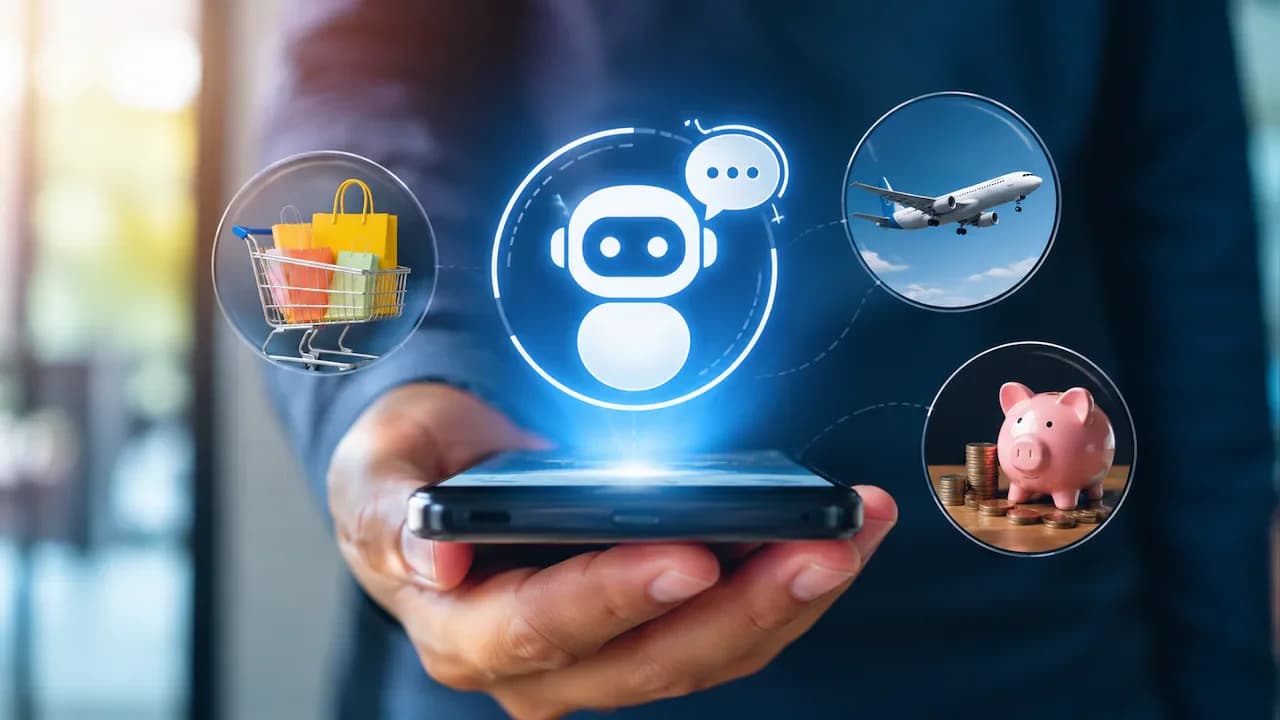
Despite challenges, Bank of America expects AI assistants to gain traction first in shopping and travel planning over the next year. The report cited Meesho's voice-based shopping assistant, Vaani, as an example that allows users to search and buy products through conversation instead of typing. In travel, AI assistants launched by MakeMyTrip and Ixigo can understand travel requests, recommend options and increasingly carry out booking-related tasks. The bank also expects AI to evolve into a financial assistant capable of analysing monthly spending, recommending cheaper subscriptions, suggesting SIP top-ups and alerting users to hidden charges, though regulatory safeguards and explicit customer consent will limit full automation in financial services.
Bank of America highlighted that India has several advantages that could make it one of the world's largest consumer AI markets, including a large base of mobile internet users, low-cost data and a young population that adopts new technology quickly. The report noted that large language models such as ChatGPT are moving beyond search and becoming 'do it for me' assistants', with OpenAI already partnering with platforms including Eternal, Nykaa, MakeMyTrip and Ixigo as it expands consumer AI services in India. According to the report, OpenAI has chosen category leaders rather than challengers for these partnerships, helping established platforms prepare for any shift in how consumers search for and buy products online. However, the bank emphasized that the success of those services will depend less on what AI can do and more on whether consumers are willing to trust it with decisions they still prefer to make themselves.
Rather than replacing established consumer apps, Bank of America expects most companies to build AI assistants into their existing platforms rather than creating standalone AI applications. The report noted that shopping, travel and financial planning are likely to be among the first areas where AI agents gain wider use, but full automation will take time because consumer trust, buying habits and regulatory safeguards continue to shape how people make decisions. As per the bank's analysis, AI is more likely to become another feature inside familiar apps than replace those apps altogether, with the next phase of consumer AI expected to see digital assistants carry out shopping, travel and financial tasks on behalf of users while maintaining the trusted interfaces consumers already use.