According to LinkedIn CEO Dan Shapero's exclusive interview with The Economic Times, AI engineering jobs in India are growing 51% year-on-year. During his first visit to India as LinkedIn CEO, Shapero highlighted that AI is opening up new opportunities in the country, with hiring for data centre-related jobs having tripled over the past decade. The surge in AI-related hiring comes as India positions itself as a key destination for artificial intelligence development and implementation. Recent industry data supports this trend, with specialists in AI/ML, cloud computing and cybersecurity commanding salary premiums of 20% to 35% above traditional software engineering bands, as reported by Randstad.
While global hiring remains slower than pre-pandemic levels, LinkedIn's data does not point to AI as the main reason for the slowdown, as reported by The Economic Times. Shapero explained that higher interest rates have had a bigger impact on hiring trends than artificial intelligence. The CEO noted that AI is reshaping existing jobs as well, with the skills needed for many roles changing even if job titles remain the same. Recent industry analysis confirms this shift, with compensation growth stabilizing at 6.8%-7.5% for traditional IT services while total compensation budgets are being redirected toward niche technical talent.
According to Randstad data, positions in AI/ML engineering, MLOps, Generative AI architecture, AI governance, cloud infrastructure, and cybersecurity are commanding salary premiums of 20% to 35% above traditional software engineering bands. As per TeamLease Digital, specialised technology skills can command a 30-40% premium in some cases, with the biggest advantage coming from having combinations of skills like AI plus domain expertise. FDE postings have grown almost 800% year-on-year, indicating strong demand for newer roles. Fresher hiring remains largely flat with average salaries stuck around the sub $5,000 level, though AI-enablement of entry-level roles adds complexity to compensation structures.
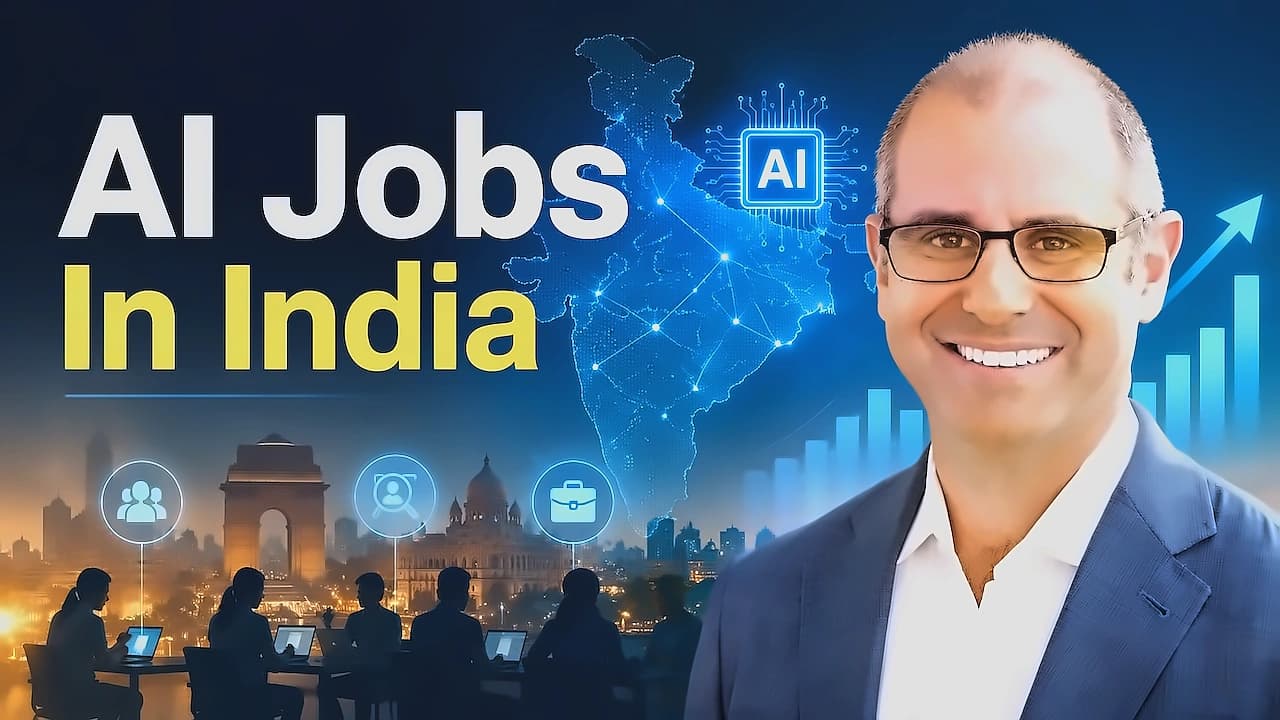
As reported by The Economic Times, Shapero emphasized that AI can enable individuals and smaller businesses to accomplish more with fewer resources. Hiring from small businesses on LinkedIn has increased by more than 250% over the past few years. LinkedIn is expanding its use of AI agents in recruitment, with its Hiring Assistant launched less than 12 months ago designed to reduce administrative work for recruiters. According to Randstad, the IT employment market is moving from broad-based volume recruitment to capability-led hiring, with the hiring landscape over the next 12-24 months defined by a K-shaped compensation curve: high-demand specialists in AI governance, cloud architecture, data platform engineering, and cybersecurity can expect double-digit salary growth (15% to 25%+), while professionals in commoditized roles will likely experience single-digit increments in the 5% to 8% range.
According to Shapero's comments to The Economic Times, the biggest risk for workers and companies is not AI itself, but failing to adapt to the changes it is bringing. As AI becomes increasingly embedded in workplaces, professionals will need to rethink their careers, jobs and skills. Industry experts emphasize that the biggest differentiator over the next two years will not simply be how many years you have worked, but how quickly you can learn, adapt and apply new technologies to real-world problems. The trend shows that AI talent demand is growing faster than the available skilled supply, with professionals advised to focus on building demonstrable AI, cloud, cybersecurity or data skills backed by actual business outcomes rather than focusing solely on percentage hikes.