Form 141 represents a significant change in India's tax deduction at source (TDS) reporting system under the Income Tax Act 2025. According to reports from Mint, this unified challan-cum-statement consolidates reporting requirements that were previously handled through separate forms including Forms 26QB, 26QC, 26QD and 26QE under the Income Tax Act, 1961. The form is specifically designed for specified TDS transactions and is not mandatory for all taxpayers, applying only to transactions that fall under specified TDS provisions. Property TDS is now reported in Schedule B of Form 141, replacing the old Form 26QB, with the certificate issued to sellers under the new Act replacing Forms 16B, 16C, 16D and 16E. Section 393(1) of the Income Tax Act 2025 now governs this framework, replacing the old section 194-IA of the 1961 Act. The department has specifically warned taxpayers not to keep using old section references for these new transactions, emphasizing that Form 141 is generally due within a month from the end of the month of deduction, subject to the provisions.
Form 141 comprises four distinct schedules covering different types of TDS transactions. As reported by Mint, Schedule A handles TDS on rent paid by individuals or Hindu Undivided Families (HUFs), Schedule B covers TDS on transfer of immovable property, Schedule C deals with TDS on payments made by individuals or HUFs to contractors or professionals, and Schedule D addresses TDS on transfer of virtual digital assets (VDAs) by individuals or HUFs. The form is applicable only when the payment or transaction falls under specified TDS provisions and is not required for every taxpayer. For Tax Year 2026–27, make sure you pick the right provision and payment option under the new Act, as the tax department has confirmed that TDS deducted during August 2026 generally has to be deposited with the Central Government by 7 September 2026. Late deposit after deduction still attracts interest at 1.5% per month or part of a month.
The Income Tax Act 2025 introduces a four-digit payment code system replacing the old 194-series section numbers. According to the latest reports, 194C, 194H, 194I, 194J, 194Q, and 194-O each map to specific codes, while 194A applies to three different scenarios depending on payer/recipient type. 194IB is filed through Form 141 instead of getting a code, and the certificate issued afterward is Form 132 - a single form replacing the four separate certificates (16B, 16C, 16D, and 16E) that used to exist. Rent paid by individuals or HUFs not otherwise required to have a TAN - the old Section 194IB, 2% on rent above ₹50,000/month - is filed through Form 141 with PAN details, not a payment code. This system ensures one certificate type to recognize and reconcile against Form 26AS/AIS instead of four different forms for various payment types. The department has confirmed that the tax department has shuffled section numbers around, but the TDS deposit date stays put - TDS on professional and contract payments, TDS on rent, where it applies, any other withholding transactions, and TDS payable as per your books all fall under this framework.
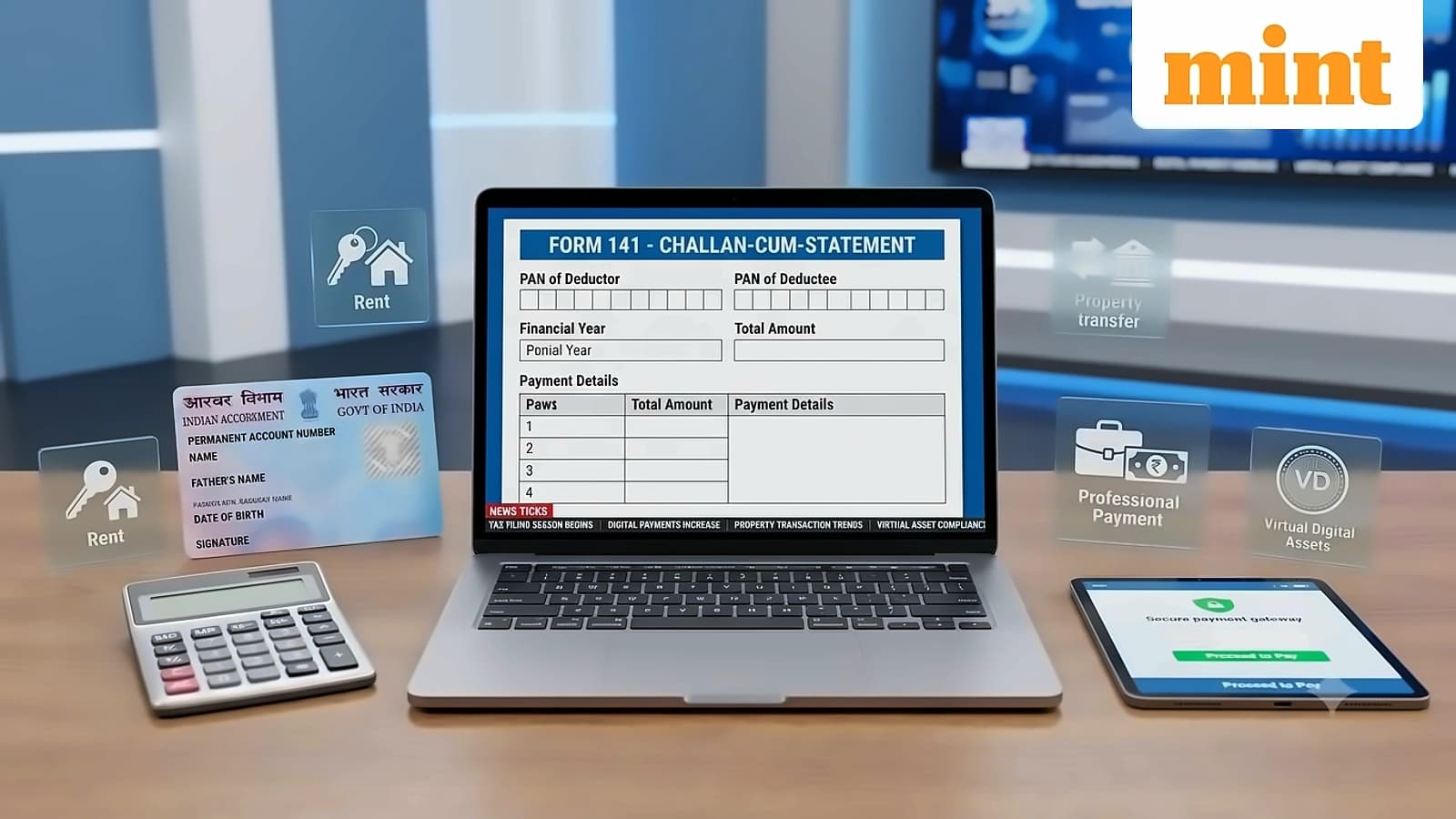
According to Mint reports, the deducted tax must be paid to the Central Government within 30 days from the end of the month in which the tax was deducted. For example, if TDS is deducted in September, the taxpayer must deposit the amount and furnish Form 141 within 30 days after the end of September. The form is accessible through the e-Filing portal after logging in with PAN credentials, and taxpayers can file multiple deductees in one form if they belong to the same deductee type and have the same month of deduction. If a payment falls on or after 1 April 2026, Form 141 is the correct form even when the sale agreement predates it. The buyer bears the legal responsibility for TDS deduction, and any penalty for getting it wrong is recovered from the buyer, not from the seller who received the money. Limits have not really moved either: - Businesses: generally ₹1 crore - Businesses meeting the prescribed cash receipt and payment conditions: ₹10 crore - Specified professionals: generally ₹50 lakh. Talk to your CA this week, not the last week - by the 25th, good luck getting your auditor on the phone.
Form 141 became applicable from April 1, 2026, as reported by Mint. To file the form, taxpayers must have a registered e-Filing portal user ID and password, an active PAN linked with Aadhaar, and must log in through the taxpayer's PAN credentials. The form is available under the Income Tax Act, 2025, and is intended to consolidate PAN-based TDS payment and reporting for specified transactions into one process. Since 1 April 2026, the old 1961 Act is gone and Tax Year 2026–27 runs on the 2025 Act. Older years? They stay on the old law till they are closed. So for a while your team will be juggling both: Keep the two apart whenever you make a payment, file a form or quote a section. The 194-series has been retired - if you've tried to fill out a TDS challan or return since April 2026 and gone looking for "Section 194J" or "Section 194C," you'll notice it isn't there anymore. Most compliance calendars, contracts, and conversations haven't caught up yet, but the Income Tax Act 2025 genuinely retired the entire 194-series. The governing provision is now section 393(1) of the Income-tax Act, 2025, replacing section 194-IA of the 1961 Act, with the reporting fields and computation layout redesigned for first-time filers.