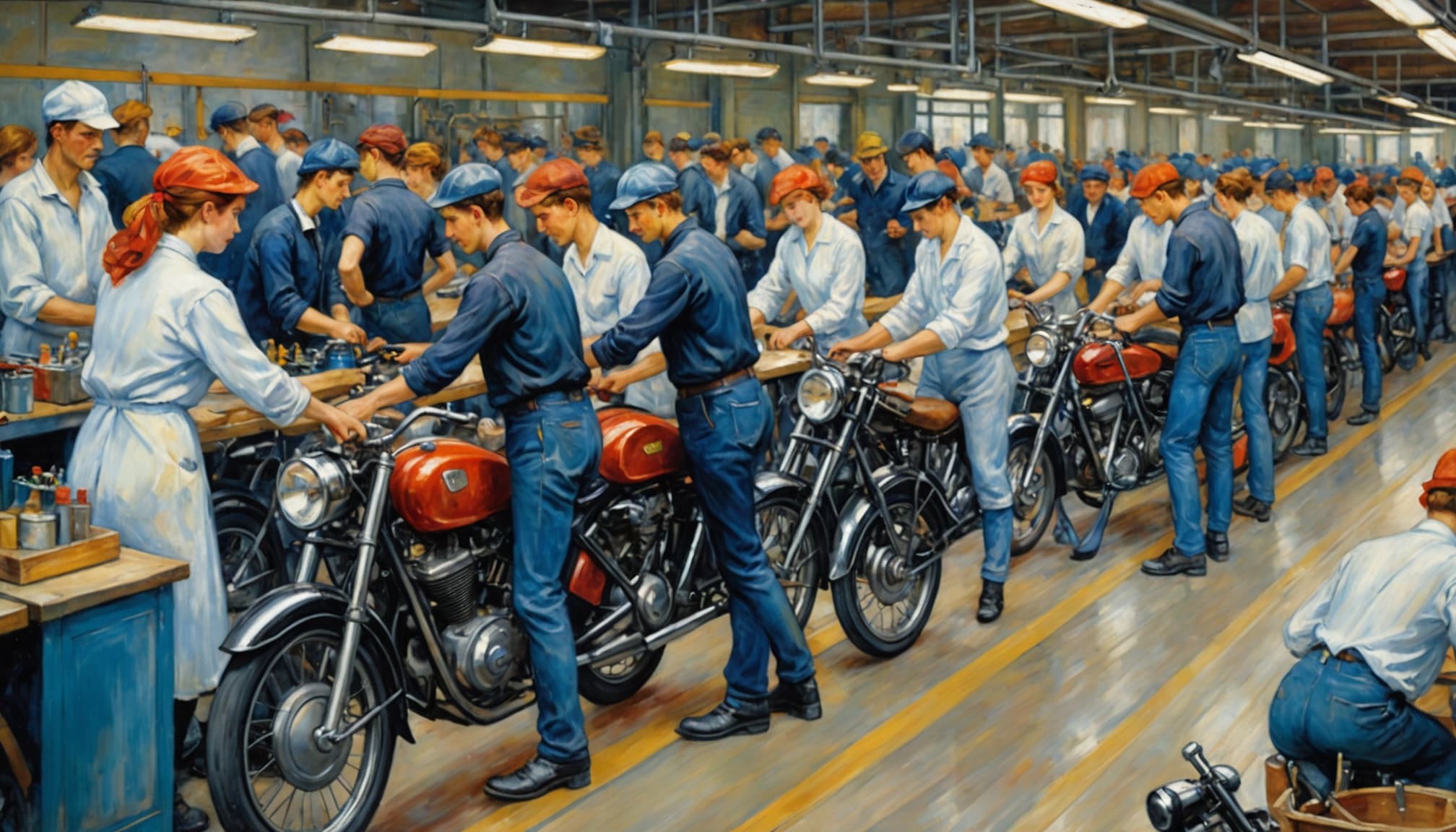
Florida-based startup Powerus has established its first manufacturing facility in the United Arab Emirates to produce drone interceptors for the Iran war. According to reports from Business Standard, the facility in a small warehouse came online last month and employs workers who spend up to 12 hours a day assembling 3-D printed components to make interceptors capable of knocking Iranian drones out of the sky at speeds of up to 200 miles per hour. The factory produces approximately 3,000 interceptors monthly through local contract manufacturers, with plans to scale production to 15,000 interceptors monthly worldwide by mid-2027. As reported by World News, the factory's workers, who are mostly Filipino and Chinese, make roughly 30 interceptors a day, with a goal of ramping up to 100 soon.
The company has secured significant commercial contracts to support regional defense needs. As reported by Business Standard, Powerus signed a $22 million commercial contract last week to protect oil and gas infrastructure in West Asia, while also partnering with a defense company near Mumbai to manufacture interceptors in India. The company's Guardian interceptors are priced at approximately $5,000 each, based on a Ukrainian design that proved effective against Russian Shahed drones. According to World News, the company has also secured a contract worth up to $90 million to provide interceptors to the Air Force this month. The interceptors are designed to be relatively simple to assemble, with components that snap together like Legos using off-the-shelf microchips and GPS location modules.
The Iran war has significantly accelerated demand for drone interceptors across the region. According to World News, more than 500 ballistic missiles and over 2,200 Iranian drones have been fired at targets in the Emirates since the war began in February, resulting in attacks that killed at least 15 people, injured hundreds, shut down an oil refinery and destroyed two Amazon data centers. The Emirates' civilian infrastructure became the most heavily targeted after the war started, as Iran sought to demonstrate leverage over a symbol of global prosperity in the region. This urgent demand has driven Powerus to establish local manufacturing partnerships rather than exporting from US facilities. As reported by World News, the company provided an Emirati contract manufacturer with the training, components and software needed to assemble interceptors for a customer in the West Asia, a setup designed for speed.
The drone interceptor market is becoming increasingly competitive with multiple American companies entering the regional manufacturing space. As reported by World News, Raytheon announced a partnership in October to build its Coyote interceptors in the Emirates at an estimated cost of $126,500 per interceptor, while Neros, a California startup, is developing the Bandit interceptor drone with basic models costing approximately $5,000. Powerus has also secured a contract worth up to $90 million to provide interceptors to the Air Force this month. The company's approach of co-production with local manufacturers allows for faster delivery compared to traditional defense industry timelines. According to World News, even the largest defense companies are moving toward similar models, with Lockheed Martin announcing in July that it would produce a lower-cost interceptor in Europe with European partners, costing about $2 million - about half as much as the PAC-3.
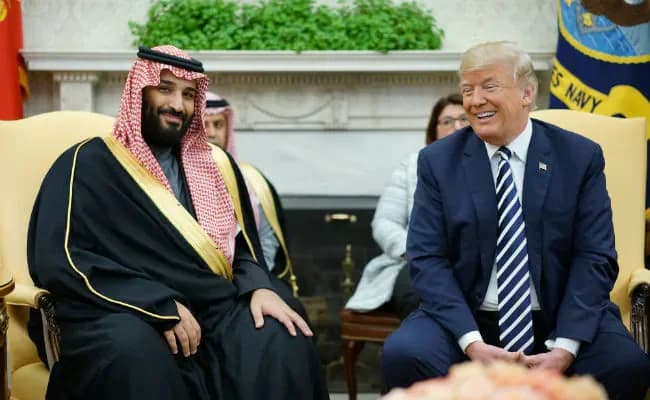
The company has established several strategic partnerships involving individuals with ties to the Trump administration. According to World News, Powerus announced an unusual merger with publicly traded golf course operator Aureus Greenway Holdings in a deal brokered by Dominari Securities, an investment firm owned by Dominari Holdings that counts the two Trump brothers as shareholders and advisory board members. The company has also secured investments, including $30 million from Unusual Machines, a Florida-based drone component maker with Donald Trump Jr. on its advisory board. Powerus CEO Andrew Fox emphasized that the company's approach represents a broader industry trend toward co-production and simpler systems, stating that the largest defense contractors are moving toward similar models as the Trump administration pressures suppliers to deliver weapons more quickly. As reported by World News, the company's approach is gaining industry recognition, with Brett Velicovich, chief operating officer of Powerus, noting that when the largest defense contractor in the world builds PAC-3 in partnership with European manufacturers, it demonstrates that production must sit close to where it's needed.