SpaceX has officially filed its S-1 prospectus with the SEC, preparing to go public on the Nasdaq under ticker SPCX next month, targeting a $2 trillion valuation. The company is targeting a valuation of $1.25 trillion and aims to raise up to $75 billion. However, analysts and observers have called these valuations difficult to justify, based on the latest filings that reveal a $41.3 billion accumulated deficit driven largely by heavy spending and significant losses tied to artificial intelligence projects. The proposed IPO structure is designed to ensure Elon Musk remains firmly in control of the company, with investors continuing to back Musk's futuristic ambitions despite concerns over shareholder rights and valuation risks.
SpaceX generated $18.6 billion in revenue in 2025, up 30% year over year, with Starlink alone more than doubling its profit to $4.4 billion. However, the company posted a net loss of $4.9 billion for the full year, compared to a net loss of $528 million on revenue of about $4 billion in the previous year. For the first quarter of 2026, the company had a net loss of $4.28 billion on revenue of $4.69 billion, representing a significant deterioration from the previous year. Revenue is projected to reach $19.9 billion in 2026 and $149.4 billion by 2040. Musk's compensation package includes up to 200 million shares if SpaceX reaches a $7.5 trillion valuation and successfully builds a Mars colony with 1 million human inhabitants.
The S-1 filing reveals five future markets that SpaceX is pitching to investors to justify its massive valuation. The company plans to revolutionize Earth-to-Earth travel with 30-minute global rocket flights using massive Starship rockets, cutting international transit times dramatically. SpaceX intends to establish orbital manufacturing hubs to take advantage of microgravity, allowing pharmaceutical companies to produce highly pure drugs and tech firms to grow advanced semiconductors. The company expects to run lunar and Martian logistics for establishing permanent human settlements, building solar energy farms using thin atmospheres and constant sun. Additionally, SpaceX wants to mine asteroid belts for platinum-group metals, rare earth elements, and water using autonomous robotics, and anticipates a massive spike in space tourism as orbital flight infrastructure becomes more routine.
The IPO signals the rapid convergence of commercial space exploration and artificial intelligence, with Nvidia positioned as the primary hardware engine of the space economy. Nvidia has expanded its focus beyond terrestrial data centers, engineering a computing toolkit explicitly tailored for off-world logistics through its Space-1 Vera Rubin Module and Jetson Orin platforms. With xAI now merged into SpaceX, its Colossus supercomputer relies heavily on Nvidia's H100 and Blackwell architectures to train the flagship Grok model. Losses from SpaceX's AI operations increased to $6.36 billion last year, compared with $1.56 billion in 2024, representing more than half of the company's massive capital-spending requirements of $20.74 billion. SpaceX is looking to bulk up in AI through acquisitions such as its $60 billion deal for AI startup Cursor, with the right to acquire during a 30-day window beginning shortly after the company goes public.
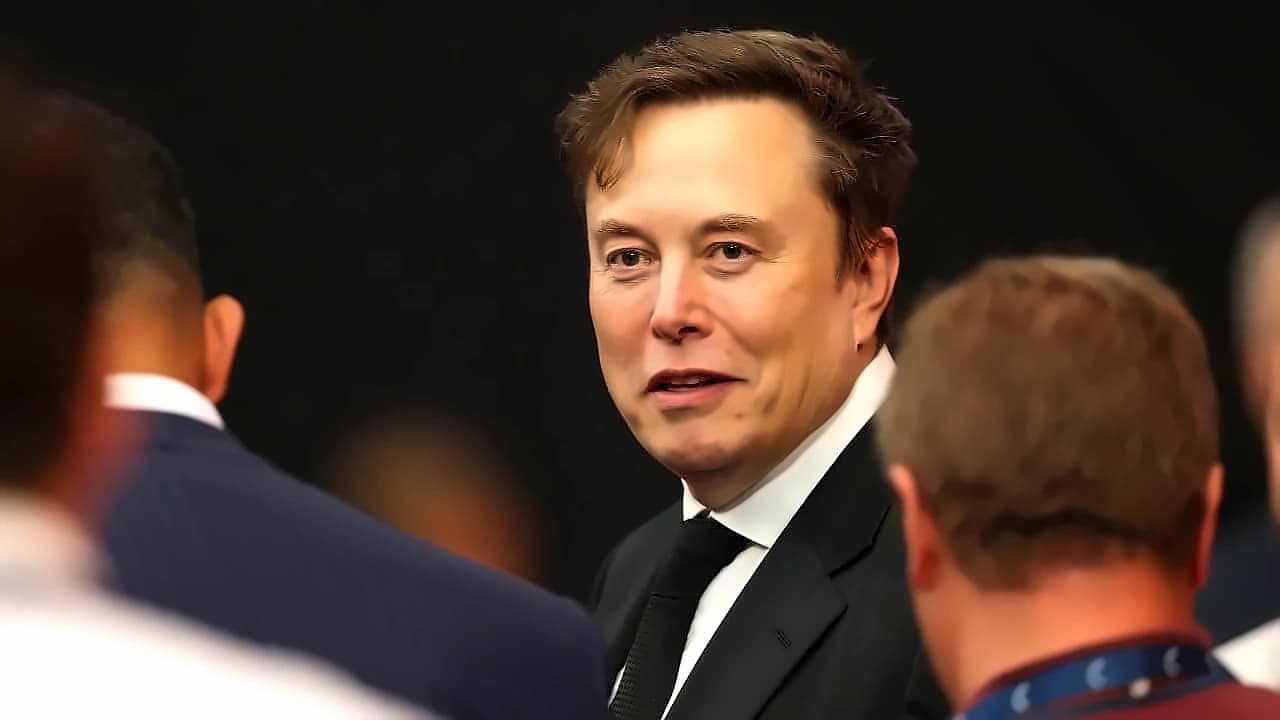
With the SpaceX IPO, Musk could become the world's first trillionaire after the company goes public in the United States. SpaceX has valued itself at $1.25 trillion and Musk's majority stake is estimated to be worth more than $600 billion. Musk, who also leads Tesla, became the first person to cross a net worth of $500 billion last year, with his current net worth standing at $676 billion according to Bloomberg's Billionaire's Index. As a result, analysts believe that the upcoming SpaceX IPO could push his total wealth above $1 trillion. The S-1 prospectus filing this week will be the most read financial document of 2026, for the first time making the public privy to audited financials, risk factors, share structure, and true economics of Starlink and Starship. The company is also said to be tying its long-term vision to Mars colonization, with investors continuing to support Musk's ambitious space exploration plans despite the significant valuation risks involved.