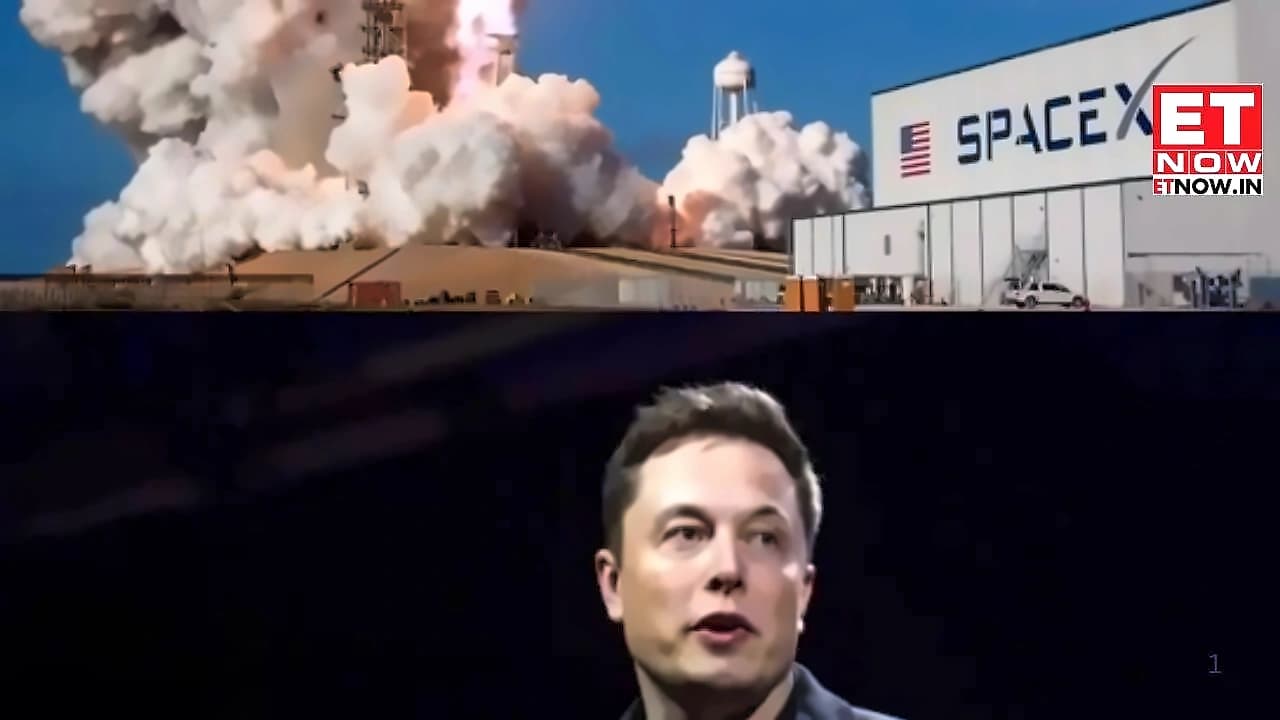
SpaceX has shattered IPO records by raising $75 billion in its historic debut, marking the largest public offering in history and establishing itself as a major player in the AI infrastructure space. According to latest reports, SPCX stock ended Friday's session with a gain of 4.06% and added 0.85% in after-hours trading, demonstrating strong market momentum following the coverage initiation. Wedbush maintains its Outperform rating and $190 price target, positioning the company as an artificial intelligence infrastructure play rather than a traditional space business. The $190 target implies about an 11% upside from SPCX's close on Tuesday at $170.86, with Wedbush valuing SpaceX using a sum of the parts model where AI compute forms a major piece of the long-term thesis. As Wedbush's Global Head of Tech Research, Dan Ives, explained on CNBC's Fast Money, "It's much more of an AI play, and that's our whole view from a data perspective."
SpaceX's decision to choose debt over equity financing has raised market eyebrows, as the company announced plans to issue debt to finance its AI development just three weeks after its record-sized IPO. SPCX fell more than 10% after the debt announcement, despite the strong IPO demand and minimal 5% float keeping equity supply scarce. According to market analysis, there are three possible explanations for this strategic choice: valuation discipline, float management concerns, and cash burn dynamics. The company's AI segment posted a $6.4 billion operating loss in 2025, with losses accelerating in 2026, creating financial pressures that may have influenced the debt decision. Cash on hand fell from $24.75 billion to $15.85 billion in the last quarter, suggesting the company may be facing accelerating cash burn that exceeds IPO proceeds.
Starlink remains SpaceX's real engine, bringing in roughly $11.4 billion in revenue last year, about 61% of the company's total, and turning a solid operating profit even as SpaceX posted a net loss overall. As reported by Wedbush, the firm's $190 target leans heavily on Starlink's recurring subscriber revenue and expanding margins, with the launch business and newer AI unit layered on top. Launch is the strategic moat, not the profit driver, with Falcon 9 dominating the global launch market and Starship aiming to cut costs further by carrying more satellites per flight. However, the launch segment brings in far less revenue than Starlink, and most launches deploy SpaceX's own satellites rather than generate outside sales. That breakdown is why investors are watching Starlink's subscriber growth and margins so closely. If that business keeps scaling, it can carry a large share of SpaceX's valuation on its own, with AI infrastructure adding upside rather than shouldering the entire bull case.

According to Wedbush's analysis, SpaceX is heading toward Nasdaq 100 inclusion with shares recently testing a critical support level after the company's record IPO. A later bond sale has prompted some bubble warnings in the market. Ives admitted the stock looks expensive against current revenue, but said execution over the next two to three years could make SpaceX one of the market's best AI plays. The company's record IPO performance has positioned it for potential inclusion in major indices, though current valuation metrics reflect investor expectations for the AI infrastructure business to drive future growth. Retail sentiment on Stocktwits remains 'bearish' but message volume around the stock has surged 4,957% over the past 30 days, indicating growing investor interest despite mixed sentiment. The SPCX stock is up nearly 14% since it listed, demonstrating strong long-term performance despite near-term valuation concerns and the recent debt announcement impact.