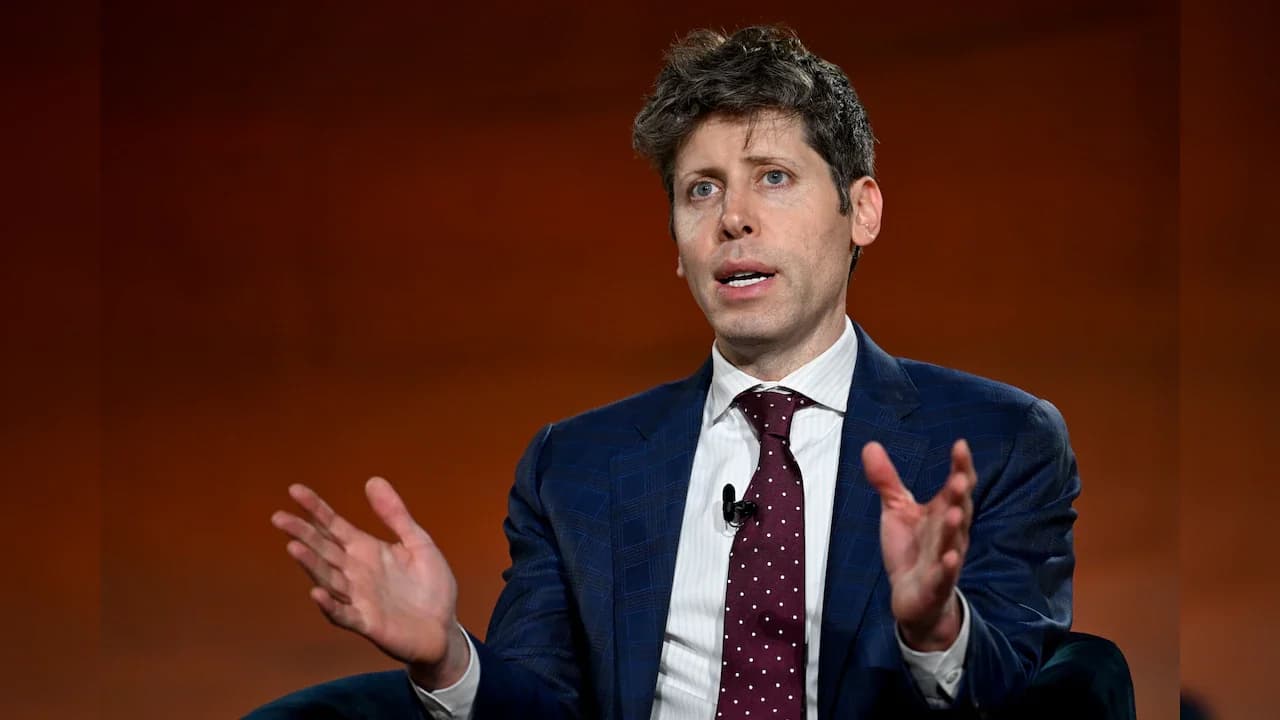
The 'Godfather of SaaS' Jason Lemkin has announced a significant change in his investment approach, stating he will only invest in companies with small teams that operate from the office six days a week. According to reports from 20VC podcast, Lemkin emphasized his commitment to this stance, stating he has no interest in making any more investments in companies that don't meet these criteria. He explained that his decision is based on observations from his own team and the competitive landscape, particularly in an AI-dominated world. "I want small, high paid teams that work in the office over six days a week," Lemkin said, adding that he's "not interested in investing in anything else." He concluded by stating that companies that prioritize remote work or flexible schedules will "fail" in the current market environment.
Lemkin's investment philosophy centers on the belief that in-person work and long hours are essential for success. As reported by 20VC podcast, he stated that businesses that rely on remote work or offer flexible schedules will struggle to compete in the AI-dominated world. He drew a stark comparison between work commitment and financial rewards, stating that working eighteen hours a week does not earn you ₹10 million dollars. "You don't get to make 10 million for working 18 hours a week. You get a watch. You get an Omega," Lemkin said. He concluded by asking professionals whether they want to earn ₹180,000 annually or make money from equity, positioning this as a fundamental choice for technology professionals. During the conversation, Lemkin agreed with Flexport CEO Ryan Petersen's description of remote work as "white-collar fraud" due to distractions, stating that even with a private office, productivity suffers when family responsibilities are present.
Recent research reveals a significant disconnect between AI investment and actual productivity gains, highlighting challenges in Lemkin's investment thesis. According to a new Wharton paper by Jessica and Jonathan Wachter, tech companies are spending as if they expect AI productivity boom to materialize, but if it doesn't, "the current buildout will be the largest misallocation of capital in history." Alexander Sukharevsky from McKinsey identifies a "gen AI paradox" where companies haven't figured out how to scale AI across operations, with workers reporting individual productivity boosts but struggling to translate them into companywide improvements. At Uber, COO Andrew Macdonald noted there wasn't a direct correlation between increased AI use and "useful consumer features," while the company faces challenges with tokenmaxxing - workers burning tokens without clear productivity gains. Despite these challenges, the outplacement company Challenger reports that "AI isn't yet the jobpocalypse some predicted" and will eventually become another foundational workplace tool, though it hasn't made the leap from novel software to procedural backbone yet.

Lemkin's stance aligns with broader industry trends as many IT firms are increasingly using AI to run teams more efficiently and make decisions more quickly. According to reports, founders in Silicon Valley are discussing hiring fewer staff members but anticipating greater contributions from each one. However, recent data shows this AI productivity paradox is creating new challenges for companies. While software engineer Iren Azra Zou reports that Anthropic's Claude Code helps complete tasks in days that used to take weeks, Amazon data scientist Sarthak Gupta notes AI is creating more work during the "automation phase" as companies build out pipelines and integrate new systems. The continued demand for software engineers despite AI adoption suggests companies need human expertise to manage AI output and maintain systems, with Box CEO Aaron Levie noting that "someone has to understand what the thing is that got built, has to maintain it, has to fix security issues." This dynamic supports Lemkin's belief that companies prioritizing in-person collaboration will be better positioned to adapt to technological changes while managing the complexities of AI integration.