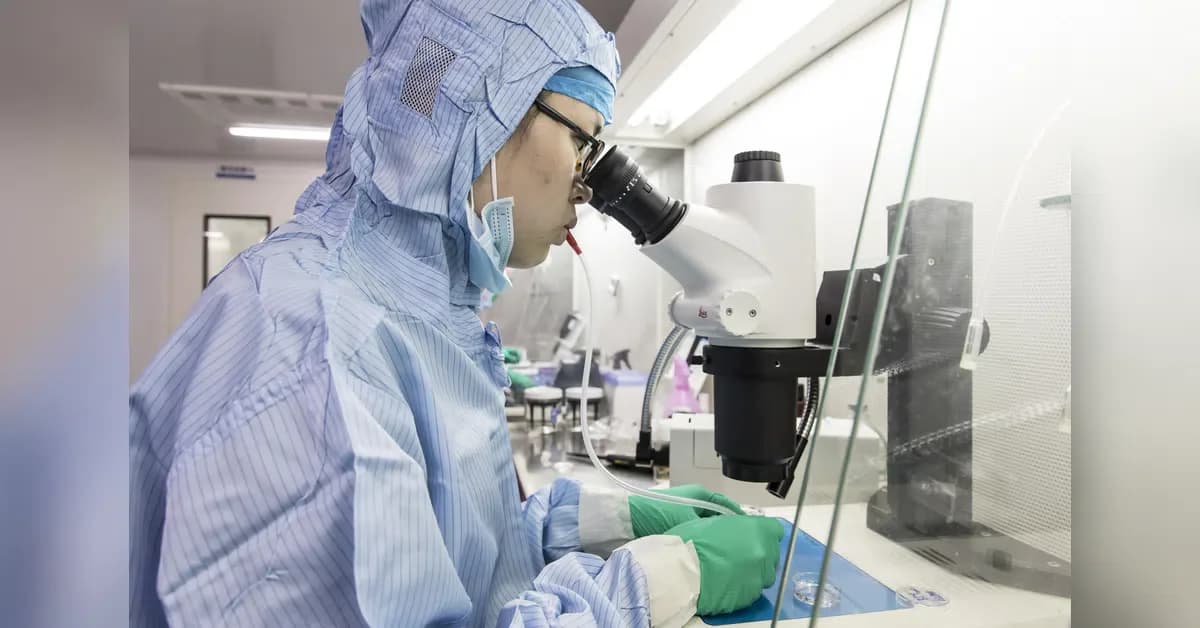
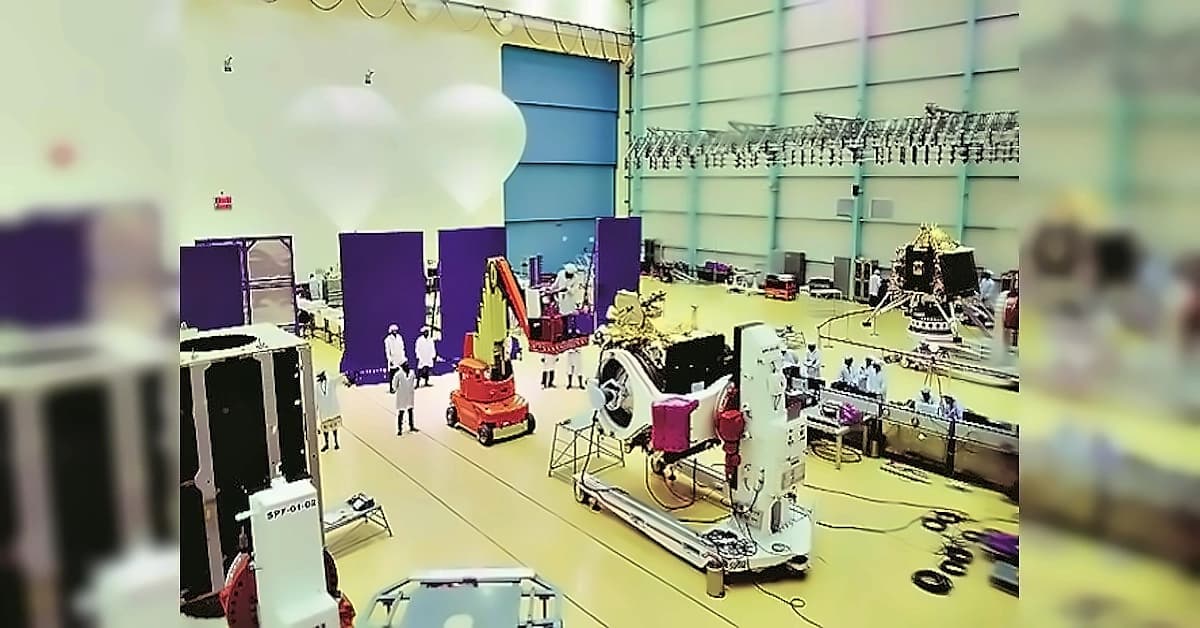
The Technology Development Board (TDB) has allocated ₹2,000 crore to invest in deep-tech companies through the government's RDI fund. According to reports from Business Standard, the maiden cohort includes five startups selected for milestone-based financing in space, defence, healthcare, batteries and biotechnology sectors. Unlike conventional grants, these projects are subject to milestone-based monitoring and will receive funds after reaching agreed-upon technical and financial milestones, with companies required to raise half of their funding requirement from the private sector. The first batch of five startups selected as part of the government's ₹1 trillion Research, Development and Innovation (RDI) fund is likely to emerge as an anchor portfolio of deep-tech firms that are developing indigenous technologies in strategic sectors.
Dhruva Space has received ₹105 crore to build Project Garud, the country's first indigenous 500 kg-class communication satellite platform. As reported by Business Standard, the project aims to create a modular satellite bus for communication constellations that can be manufactured at scale. The company is also planning a 280,000-square foot spacecraft manufacturing facility in Shamshabad (Hyderabad) to support industrial-scale production. Endure Air Systems has secured ₹30 crore to develop SABAL-200, an indigenous heavy-lift unmanned aerial system capable of transporting payloads up to 200 kg. The project is divided into five technical milestones, beginning with manufacturing setup and ending with production-ready systems.
Noccarc Research has been selected to develop an intelligent mobile life support system with a ₹23 crore project proposal. According to Business Standard, the startup will integrate an ICU-grade ventilator, multi-parameter patient monitoring system, and real-time data transmission software platform. The project has a three-year execution timeline with ventilator and monitoring platform commercialisation expected first, followed by AI-assisted clinical decision support. Eyestem Research will receive ₹125 crore to develop first-in-class cell therapies for dry age-related macular degeneration and idiopathic pulmonary fibrosis. e-TRNL Energy will get ₹94 crore to develop next-generation lithium-ion batteries for India's energy storage ecosystem.
As reported by Business Standard, these projects collectively aim to strengthen India's capabilities in space infrastructure, defence logistics, critical healthcare, advanced manufacturing, and indigenous intellectual property. The financing model is particularly suited to deep-tech sectors where products often require years of engineering, testing and certification before generating revenue. The selected firms emphasize that such indigenous platforms will reduce reliance on foreign technologies and support sovereign communication infrastructure development. These projects are also expected to serve as proof points for the government's broader idea of catalysing private investment into frontier technologies through blended public funding. The initiative aligns with India's broader innovation ecosystem, which has seen patent filings rise nearly 93% from 42,951 to 82,811 between 2014-2023, though commercialization rates remain low at 1.59% of total patents.