India's space technology startups have achieved a historic milestone with private investment crossing $871 million by July 2026, according to Tracxn data. This represents a remarkable nearly 20-fold increase from $43 million across 12 rounds in 2021, demonstrating the sector's explosive growth over the past five years. The latest funding surge includes $200 million across 53 rounds in 2025 and strong year-to-date momentum in 2026, with more than 60% of capital concentrated in the 10 most-funded startups, led by Skyroot Aerospace with $150 million. As reported by Business Standard, this milestone comes just six years after the sector was opened to private players under space sector reforms introduced in 2020.
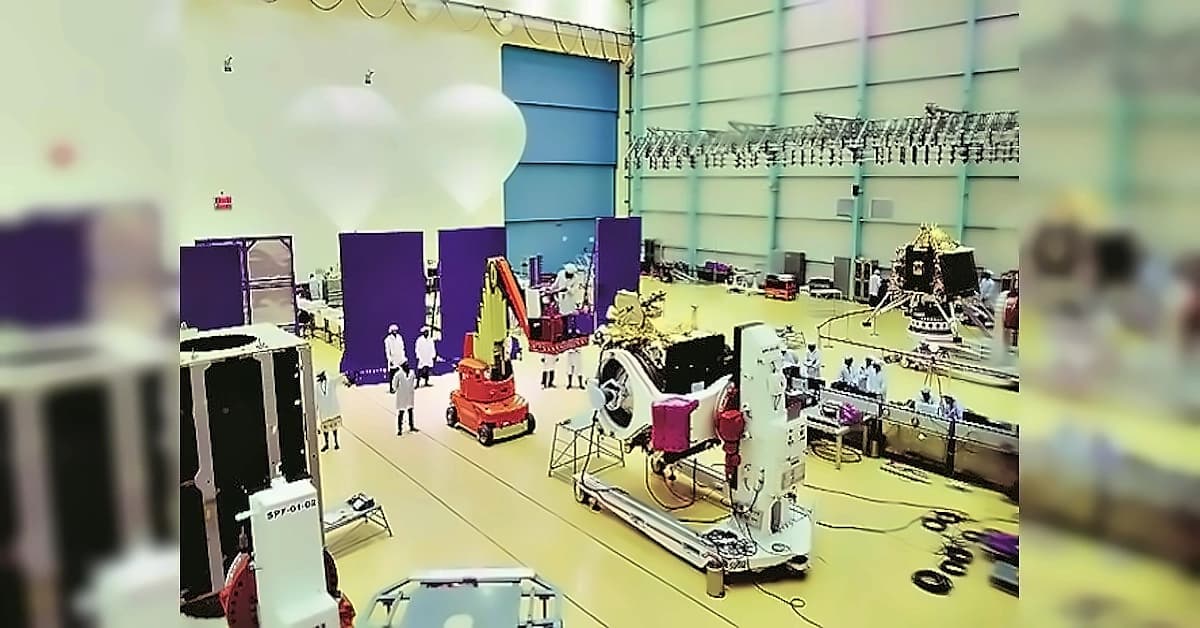
The sector's breakthrough came with Skyroot Aerospace's Vikram-1 launch on July 18, 2026, which reached a 450-kilometre low Earth orbit and deployed four payloads, including technology demonstrations from Grahaa Space, Cosmoserve, DCubed and Skyroot's SCOPE satellite. This mission made India the third country after the US and China to achieve privately developed orbital launch capability, marking a pivotal moment in the country's space ambitions. Skyroot became India's first spacetech unicorn following its $50 million Series C round in May 2026, while the company plans another test flight later in 2026 before commencing commercial launch operations in 2027. The launch highlights the rapid ecosystem development, with India achieving its first private orbital launch within six years of opening the sector to private participation in 2020.
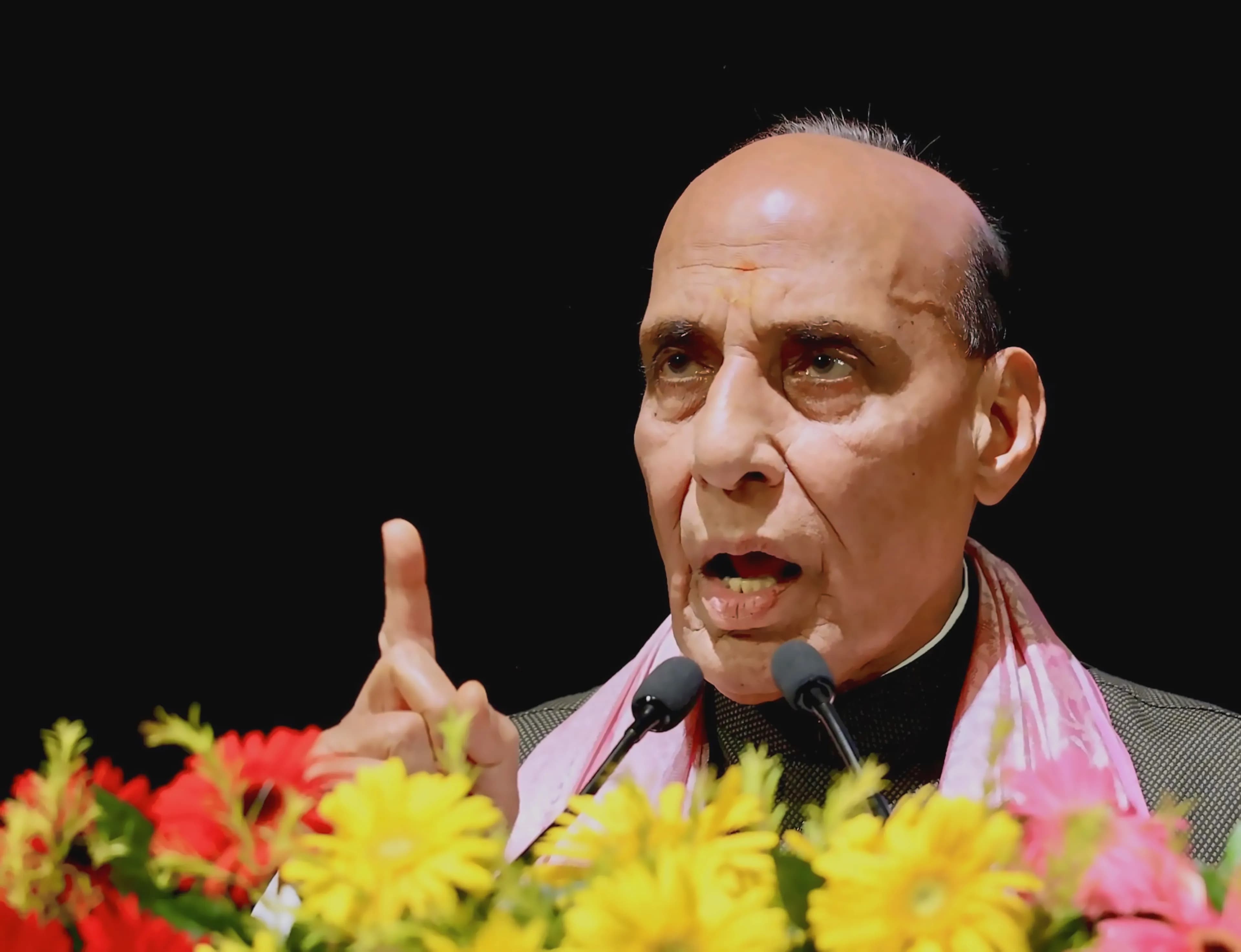
The government has issued 105 authorizations to non-government entities (NGEs) as part of ongoing reforms to drive greater private participation in the space industry. According to Singh's statement to the Rajya Sabha, these authorizations were granted as of July 14, 2026, with 17 space startups specifically authorized by the Indian National Space Promotion and Authorisation Centre (IN-SPACe) to undertake space activities. The 2020 reforms ended ISRO's near-monopoly over several space activities and established IN-SPACe as the sector's regulator and promoter of private participation. These policy reforms have fuelled investment in the sector, attracting investment and enabling the country's first spacetech unicorn and privately developed orbital launch vehicle.
Bengaluru leads the funding landscape with $495 million across 106 rounds, followed by Hyderabad with $205 million and Chennai with $80 million, according to Tracxn data. These three cities account for the majority of equity funding raised by India's private spacetech ecosystem. Seed-stage funding increased dramatically from $7 million in 2022 to $62 million in 2025, while late-stage funding emerged for the first time, reaching $17 million in 2025 and $53 million in 2026 year-to-date. The investor base has expanded significantly from domestic venture capital firms and angel investors to include sovereign wealth funds and global institutional investors. The top 10 funded companies have collectively raised more than $548 million, led by Skyroot Aerospace ($150 million), Pixxel ($96 million), AgniKul Cosmos ($76 million), Digantara ($67 million), and Bellatrix Aerospace ($34 million).
The Centre has introduced comprehensive measures to support the sector's growth, including the India Space Policy 2023, a liberalised foreign direct investment (FDI) regime, a ₹1,000-crore venture capital fund and a ₹500-crore Technology Adoption Fund. According to Singh's statement, applications for private space activities are evaluated under IN-SPACe's norms and guidelines, with due consideration to strategic, security and national interests before authorization is granted. These measures have enabled Indian space companies to expand overseas operations and attract international investment. India's $871 million investment milestone comes as the country seeks to expand its share of the global space economy to $44 billion by 2033, from about $8 billion currently, banking on private investment and commercialisation to compete with established space powers such as the US, Europe and China.