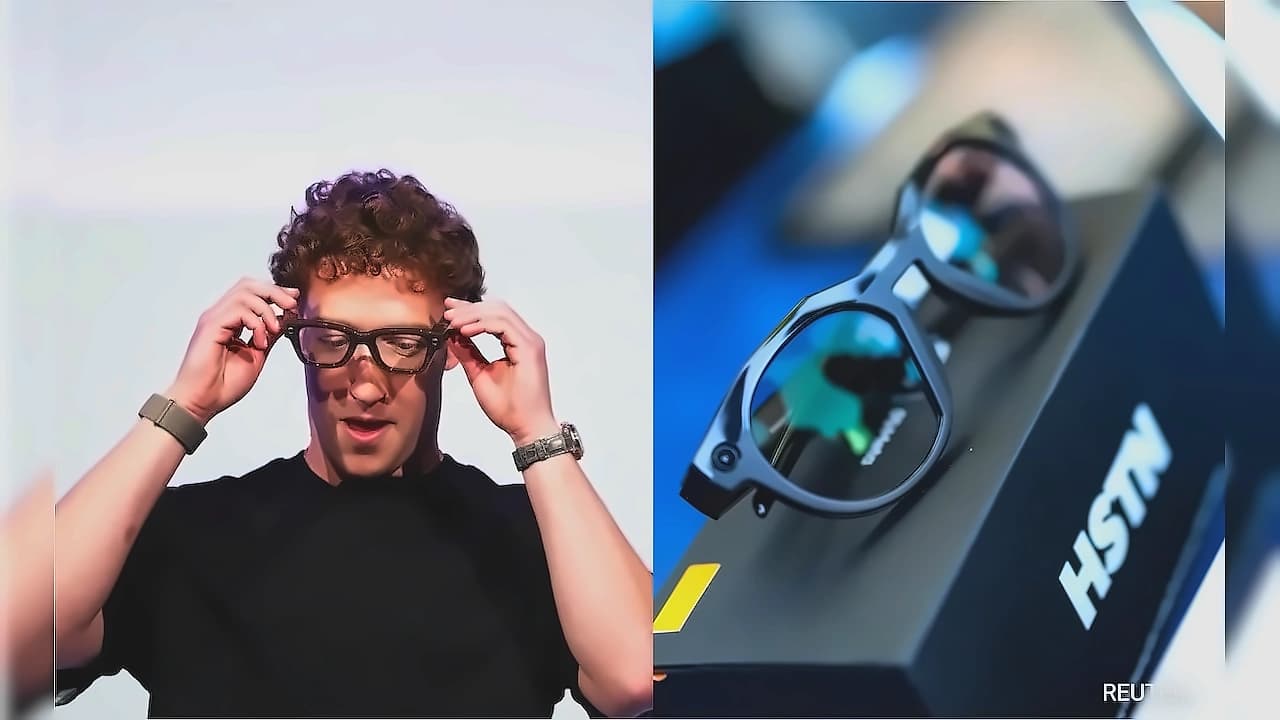
On-demand home services startup Pronto has confirmed implementing a pilot programme where household cleaning jobs are recorded using visible, head-mounted cameras worn by workers. According to reports from The Times of India, the programme covers only 0.1% of users and is designed for customers who feel uneasy about allowing unfamiliar workers into their homes while away. Pronto cofounder and CEO Anjali Sardana explained that customers worry about potential theft, damage, or poor work quality during their absence. However, recent reports from Entrackr reveal that the company may have been quietly building something far greater, with investor documents showing Pronto is seeking to formalise India's vast informal labour markets and generate data to help train physical AI and robotics systems. The controversy emerged after social media posts by X user Harsh Upadhyay alleged that Pronto professionals were using "small outward-facing cameras during select opt-in jobs" and linked the practice to an investor memo invoking a "Physical AI" use case.
In response to the backlash, Pronto has issued a comprehensive public clarification stating that cameras are not used by default and are limited to customers who explicitly opt in and pay. As reported by India Today, the company confirmed that consent must be reaffirmed before every booking and that the pilot reaches approximately 0.1% of customers. Customers who opt for the recording service pay an extra ₹29 per booking, with workers also receiving additional compensation. The company confirmed that videos are anonymised and no audio is recorded, with footage deleted within 48 hours. However, the company retains derived datasets from recordings, including key point mapping data tracking body joints and hand movements, though they declined to comment on potential monetisation or sharing with third-party AI or robotics firms. Pronto also emphasized that it has worked to comply with India's Digital Personal Data Protection Act (DPDP) framework, with the company's statement directly referencing DPDP compliance as part of its public defense.
The announcement has sparked widespread online backlash, with social media posts drawing thousands of views and interactions. According to The Times of India, one user declared "recording inside your house to train AI! This is scary," while another wrote "Trust is the cornerstone of any consumer/service business and Pronto just lost it." Urban Company cofounder Abhiraj Singh Bhal moved quickly to address concerns, posting on X that his company "does not engage in any such activities" and emphasizing that customer privacy is "paramount" and the company remains committed to "the highest standards of confidentiality, safety, and trust." As reported by Hindustan Times, the public distancing by Urban Company increases reputational scrutiny for smaller rivals operating similar business models, with observers noting that the incident highlights a recurring regulatory and product-design tension between collecting rich, contextual data from private spaces and triggering acute privacy and trust risks.
The controversy emerges from a rapidly growing market for "egocentric" data used to train physical AI systems. Industry reporting frames the episode as part of a broader trend where on-demand home-services platforms explore sensors and video data for quality control, worker supervision, and training of robotic or AI systems. Companies experimenting with in-home data collection typically combine opt-in flows, paid incentives, and technical controls such as local anonymization or limited retention windows. Legal expert Nikhil Narendra from law firm Trilegal noted that anonymised household data could potentially fall outside India's Digital Personal Data Protection Act, while cautioning that India still lacks a governance framework for non-personal data. The response is understandable given that having a camera inside your home raises real questions about consent, governance, and privacy, with observers raising practical concerns about consent mechanics, data minimization, and downstream labeling practices when footage is used for model training.