India's instant househelp industry has reached a significant milestone, with leading platforms now collectively handling more than 100,000 bookings a day. According to Business Standard, this rapid growth comes as companies compete with faster deliveries, lower prices, and aggressive expansion strategies. The sector is experiencing intense price competition, with platforms rolling out heavily discounted introductory offers while continuing to invest in customer acquisition. Industry reports estimate that leading players collectively burnt around $16-17 million in June as they competed for market share.
Worker compensation varies significantly across platforms, with Pronto partners earning around ₹800-900 per day for a standard eight-hour shift, completing 5-6 bookings during this time. According to Pronto's Anjali Sardana, partner payouts are structured at ₹150-190 per hour of work, with a 30-minute job translating to ₹90-95 and a 60-minute job to ₹150-190, subject to service type and applicable incentives. Urban Company's InstaHelp workers reportedly earn around ₹150 per hour, while Snabbit experts earn roughly ₹80-100 per hour. As reported by Business Standard, 13-20% of a worker's shift is spent travelling between jobs, waiting for bookings, or taking breaks, significantly impacting take-home pay.
Monthly earnings for instant househelp workers range from ₹20,000 to ₹40,000 depending on hours worked and platform policies. Based on average daily earnings of ₹800-900 over 28 working days, a regular Pronto partner can earn around ₹25,000 monthly. Snabbit workers report that partners working more than eight hours a day earn around ₹20,000 monthly, while those working over 10 hours earn about ₹25,000. Those working longer hours can earn around ₹30,000, with the highest earners reporting monthly incomes of up to ₹40,000. An InstaHelp professional indicated that workers earn an assured monthly income of around ₹20,000-25,000, with the top five percent earning about ₹50,000 monthly.
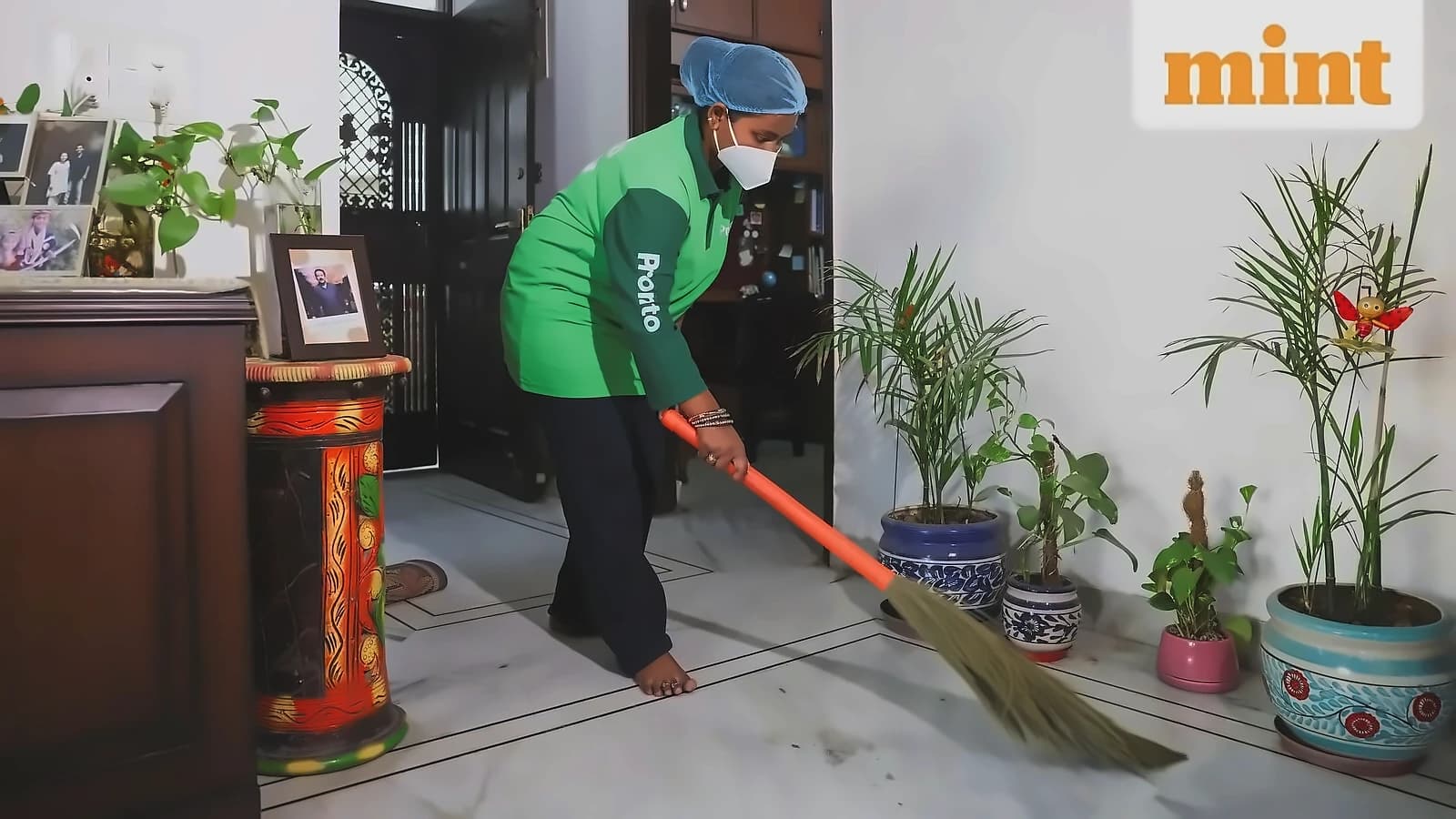
Instant-help providers such as Snabbit, Pronto and Urban Company's InstaHelp may have to nearly double prices to achieve profitability as they expand into lower- and medium-density neighbourhoods. According to industry experts, these platforms currently serve high-density areas like HSR Layout, Koramangala, Bellandur, and Whitefield in Bengaluru, where residential apartments and high-rise societies dominate. However, expansion into lower-density areas such as Jayanagar, Cox Town and Kalyan Nagar has proven more challenging, as workers may have to cover 2-3 kilometers at a time, significantly impacting unit economics. The industry faces intense competition with platforms investing heavily in customer acquisition and worker onboarding, even as they prioritise growth over profitability.
Snabbit has raised a total of $112 million across five funding rounds, with its latest Series D closing on April 28, 2026. Pronto has raised $60 million across four rounds. According to Mint estimates, Snabbit handles approximately 1.51 million jobs monthly, InstaHelp roughly 1.27 million, and Pronto around 1.25 million. Snabbit is available in 10 cities and urban regions, mainly in metros such as Bengaluru, Mumbai and the National Capital Region, while Pronto is live in 11 cities and InstaHelp is available in five major cities. Despite aggressive discounting, platforms continue investing in customer acquisition and worker onboarding, with Urban Company's InstaHelp business remaining loss-making as the company focuses on scaling the service.