India's drone companies are intensifying efforts to indigenise capabilities across the value chain as the government promotes domestic manufacturing. At the Bengaluru Tech Summit, drone startup founders called for stronger domestic supply chains and deeper collaboration among industry participants. However, they emphasised that indigenisation should focus on technological capabilities, product quality and performance rather than merely shifting component manufacturing to India. A white paper recently released by Drone Federation India (DFI) highlights India's dependence on imports and makes 22 policy recommendations to strengthen domestic capabilities.
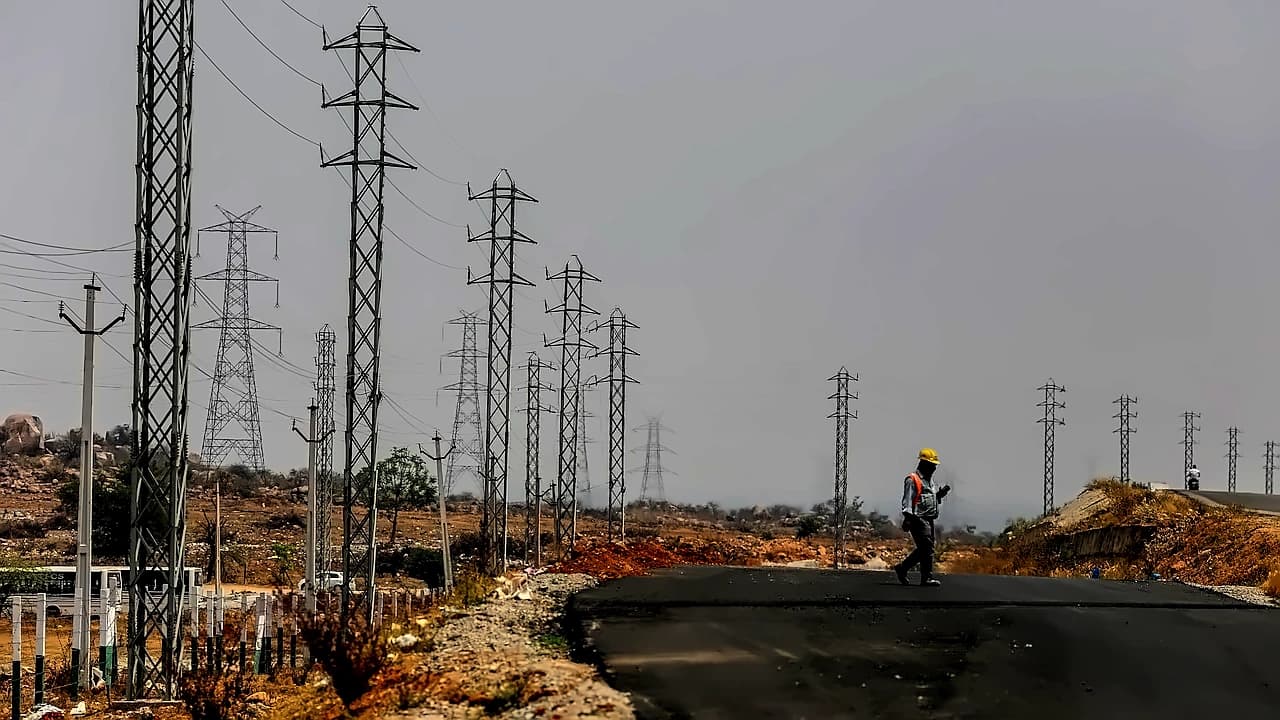
The industry faces significant import dependencies, with the Drone Federation India (DFI) report estimating that 80-90% of flight controllers used in Indian drones are imported. As reported by Business Standard, the dependence is even higher for global navigation satellite system (GNSS) modules, with 90-95% sourced from overseas. Imports account for 70-80% of brushless motors used in the industry, with China accounting for approximately 94% of global permanent magnet production that forms the core of brushless motors. Dr Parithi Govindaraju of Okulo Aerospace noted that while companies have been encouraged to move away from Chinese suppliers, sourcing alternatives are limited to a handful of countries, with India's manufacturing ecosystem for specialised drone technologies still at an early stage.
China's export controls have significantly impacted drone component availability. According to the DFI report, China tightened export controls on drone parts from September 1, 2024, and on rare earth magnets from April 4, 2025. On October 19, 2026, China extended export controls to autopilots, radios, motors and speed controllers, with restrictions scheduled to take effect from November 18. Smit Shah, president of DFI, warned that countries supplying critical components could suspend shipments during conflict, potentially disrupting India's drone manufacturing capabilities. "If you don't get components you cannot build products, if you can't build products you cannot fight the war," Shah told Business Standard. He said the objective was to reduce dependence on potentially adversarial countries as well as other foreign suppliers, eventually moving towards complete indigenisation.
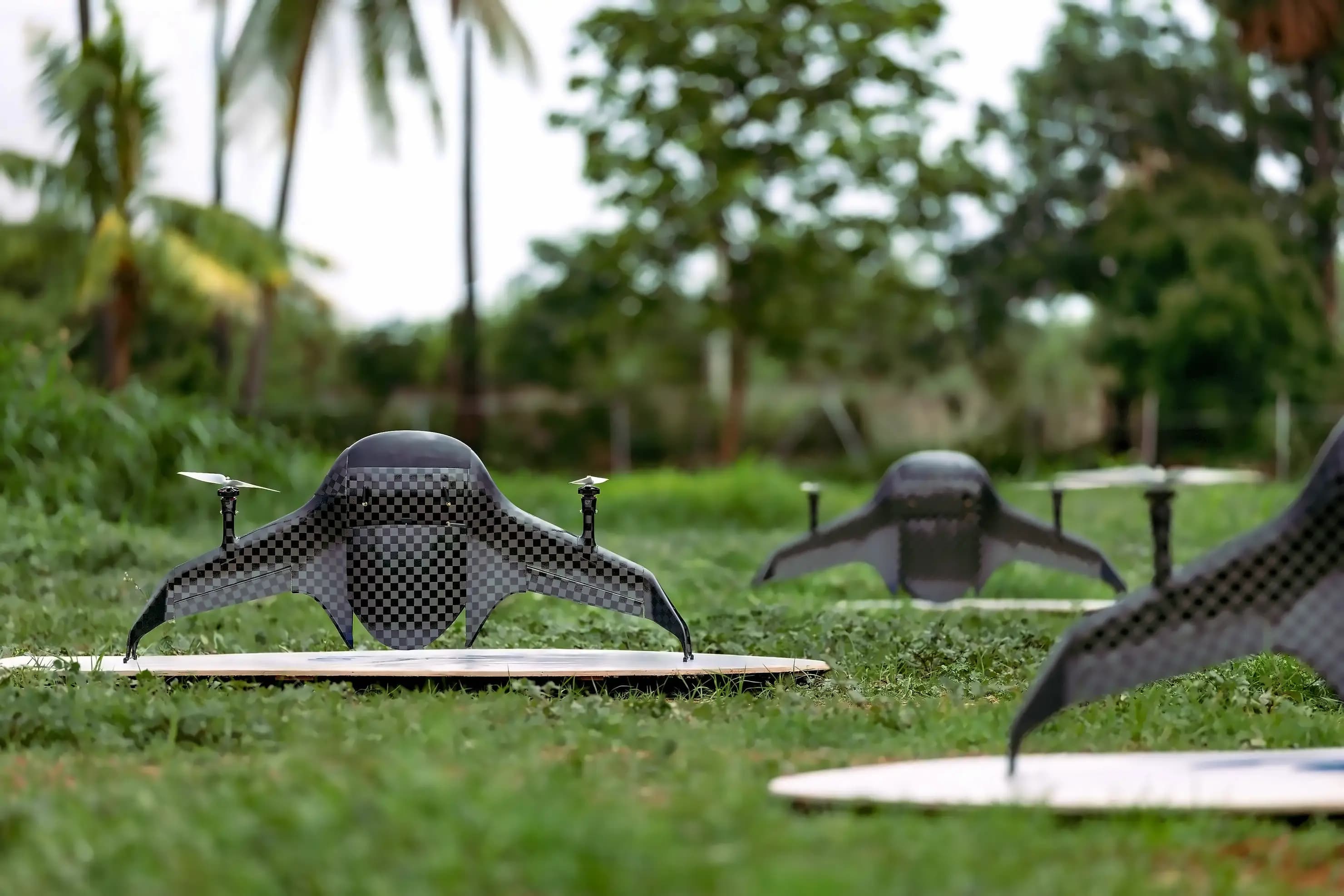
The drone industry is projected to generate around $11 billion in revenue by FY2030-31, according to the DFI. However, India continues to depend heavily on imports for key components such as flight controllers, navigation modules, motors and battery cells. Dr Parithi Govindaraju of Okulo Aerospace said indigenisation remained one of the biggest challenges for Indian unmanned aerial vehicle (UAV) developers. "The supply chain is highly constricted," Govindaraju said, noting that while developers would prefer to procure components domestically, India's manufacturing ecosystem for specialised drone technologies is still at an early stage.
Industry leaders emphasise quality over quantity in indigenisation efforts. Naman Pushp of Airbound, which raised ₹300 crore in Series A funding in August 2026, said the company pursued vertical integration from the beginning with the goal of owning its entire technology stack. He stated that the focus should be on developing high-quality components that work together to deliver the best possible product, rather than just manufacturing in India. "My goal is how do we change the conversation from not just make in India, but make the best in India. And that's been our goal from day zero," Pushp said at the summit. "I'm not interested in making a cheap imitation of technology that exists in other countries. If we're making it, I want us to make it better." The founders' approach highlights the broader challenge of moving beyond assembly-led indigenisation towards developing globally competitive components and reliable domestic supply chains.