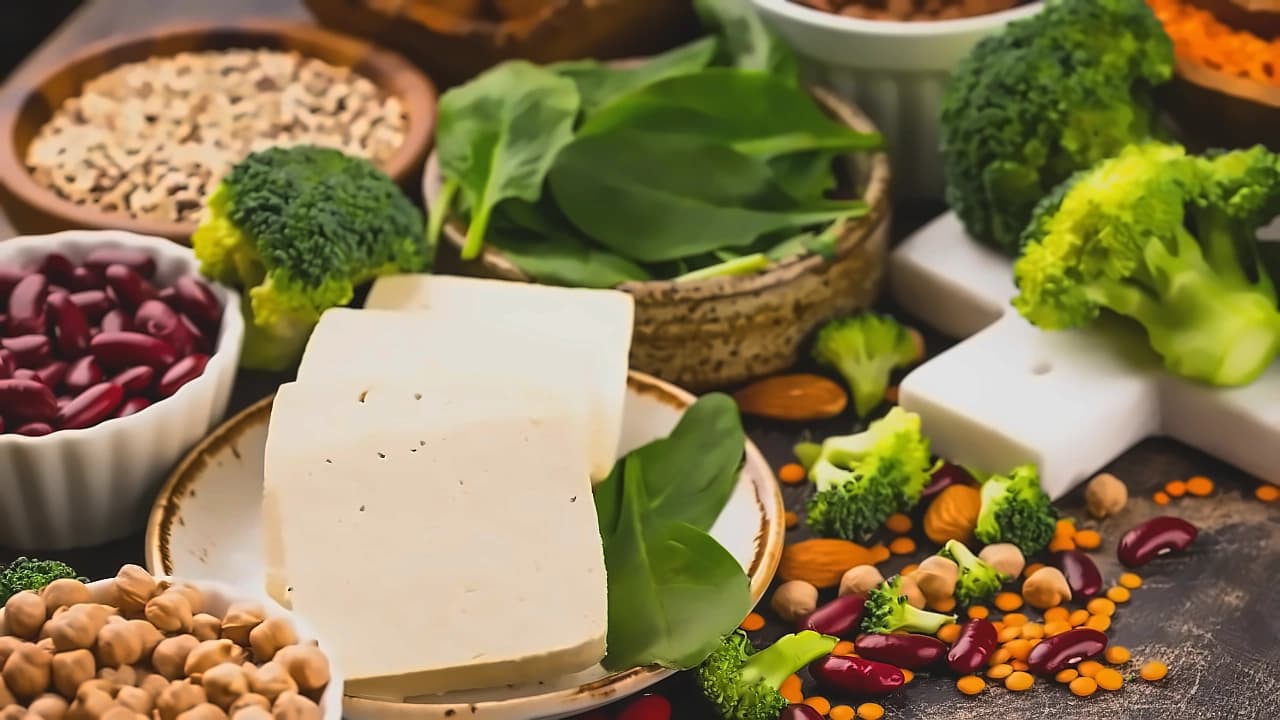
Packaged food, beverage and supplement makers are rapidly expanding into fibre, probiotics and digestive wellness, betting India's appetite for functional nutrition is broadening beyond protein. According to Mintel, 88% of Indians say gut health is important, but most still rely on familiar habits such as drinking more water, exercising and avoiding spicy or sugary foods rather than consuming probiotics, fibre or fermented foods. As reported by Mintel, this gap between intent and specialized action shows that consumers are still focused on managing everyday digestive discomfort rather than building long-term gut resilience.
Companies say India's protein boom is fueling the shift to digestive wellness products. According to Mintel, 27% of protein supplement users are interested in products that improve gut health, with the expanding protein market driving demand for solutions that optimize protein digestion and nutrient absorption. Bala Sarda, founder and CEO of VAHDAM India, noted that people are consuming more processed food and many are on calorie-deficit diets, creating greater awareness around gut health. The company has expanded into digestive wellness with products including Morning Clear, Gut Shift, and standalone Triphala supplements.
The trend is extending beyond specialist wellness brands, with sports nutrition company Fast&Up recently entering digestive health after seeing increasing demand from customers. Vijayaraghavan Venugopal, CEO of Fast&Up, said the company has moved from performance and hydration to protein, weight management, beauty nutrition and now digestive health. According to Mintel's Global New Products Database, probiotic claims in vitamin, mineral and supplement launches rose from 1% to 6% between 2020-21 and 2024-25, while claims in nutritional drinks and supplements increased from 3% to 9%.
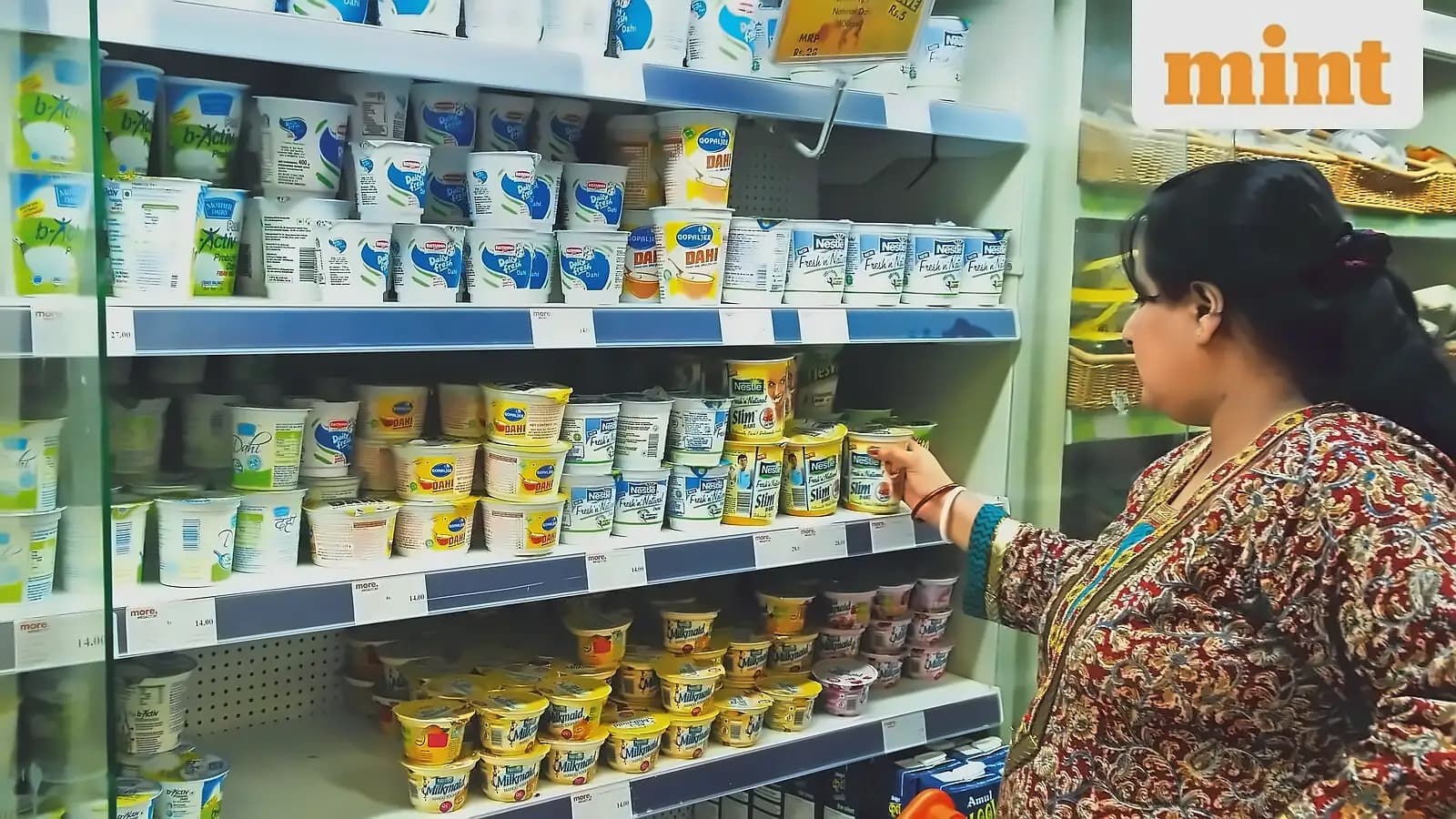
The opportunity is drawing startups focused entirely on gut health, with Chennai-based Happie Gut building its business around kefir—a fermented probiotic dairy drink. Monica Radhakrishnan, founder of Happie Gut, said the company sells kefir milk, kefir water and probiotic milkshakes, reflecting the broader shift as digestive wellness expands beyond supplements into everyday foods and beverages. According to Mintel, gut health products are expected to account for just 1-2% of key food categories over the next 3-5 years, though the trend is not considered a passing fad.
Santosh Sreedhar, partner at Avalon Consulting, noted that gut health is not a new consumer need but is being mainstreamed through products in popular, easy-to-consume formats driven by greater awareness and social media. He expects beverages and dairy to emerge as the largest segments for gut-health foods, while over-the-counter nutrition products are also likely to gain traction. The consumer industry is going through a transition with multiple nutrition platforms emerging, with gut health positioned alongside protein, fibre, low sugar, diabetes management and healthy snacking platforms.