Protein products are experiencing unprecedented growth in the Indian market, with companies expanding beyond traditional fitness powders into mainstream consumer categories. According to reports from The Times of India, protein intake has evolved from being confined to powders, which represents a ₹8,000 crore market largely driven by fitness enthusiasts, to becoming a mainstream trend. About 80% of consumption is still led by premium households, but middle-class Indians are increasingly spending on protein products, as noted by Anurag Mathur, partner at Bain & Company. The adoption of GLP-1 drugs is expected to further boost protein demand, creating long-term opportunities for manufacturers. This transformation is being driven by rising health and environmental awareness, with consumers seeking healthier, eco-friendly options to reduce their carbon footprint and improve overall well-being. As awareness spreads, the market is expected to see sustained growth, driven by consumer preferences for clean-label, natural, and ethically sourced products.
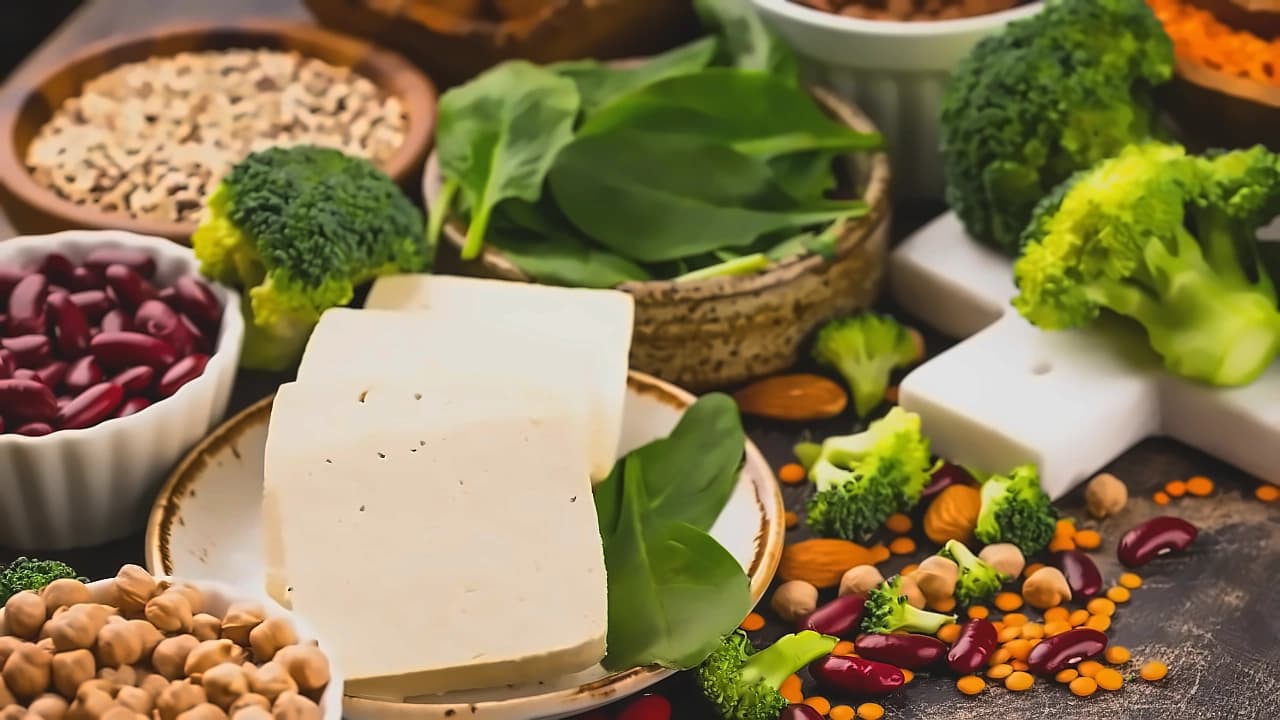
Major companies are capitalizing on the protein trend through innovative product launches across multiple categories. Marico has introduced protein shampoo that prevents protein loss in hair, marking its entry into the hair cleansing category. PepsiCo's Quaker recently refreshed its brand, highlighting protein and fibre content on packs to attract health-conscious consumers who haven't explored oats yet. Startup Eggoz has launched protein plus eggs with larger-sized eggs containing more protein, while Parag Milk Foods is evaluating smaller SKUs and on-the-go formats to drive wider adoption. The sector is attracting significant investments from venture capitalists, food giants, and startups, with international companies entering through joint ventures and acquisitions. Local startups are gaining funding to develop indigenous solutions tailored to Indian tastes and price points, accelerating product development and expanding distribution channels.
Consumer spending patterns reflect the growing acceptance of protein products across different demographics. As reported by The Times of India, on Swiggy Instamart, spending on protein orders has tripled over the past couple of years, with yoghurt and snacks becoming the fastest growing categories. The market expansion includes office workers, new mothers, and older people concerned about weak bones, as noted by Ayush Sharma, principal at Kearney. Rising consumer awareness and acceptance of alternative proteins is being fueled by education campaigns, social media influence, and celebrity endorsements. This shift is particularly evident among urban youth and middle-class populations who are becoming more open to trying new foods that align with their health and environmental values. The growth is supported by rapid economic development and urbanization in India, which is expanding the middle class with higher disposable incomes and increasing purchasing power for premium, sustainable food options.
Industry experts anticipate continued growth driven by convenience and affordability factors, with the wider nutrition market set to become 1.3x in just two years. According to Kearney's Sharma, market direction will be determined by price, format, and consumer trust. However, analysts have called for stricter regulation enforcement through checks on advertising and product formulation to protect consumers against misleading claims. The Indian government is implementing policies and initiatives to promote sustainable food innovation, including subsidies, grants, and research programs for alternative proteins. These policies aim to reduce reliance on traditional livestock farming, lower greenhouse gas emissions, and improve food security. Government support and policy initiatives are attracting investments from both domestic and international players, accelerating innovation and commercialization. The market's future depends on technological advancements, consumer education, and regulatory clarity, which will determine its trajectory toward sustainable and widespread adoption.