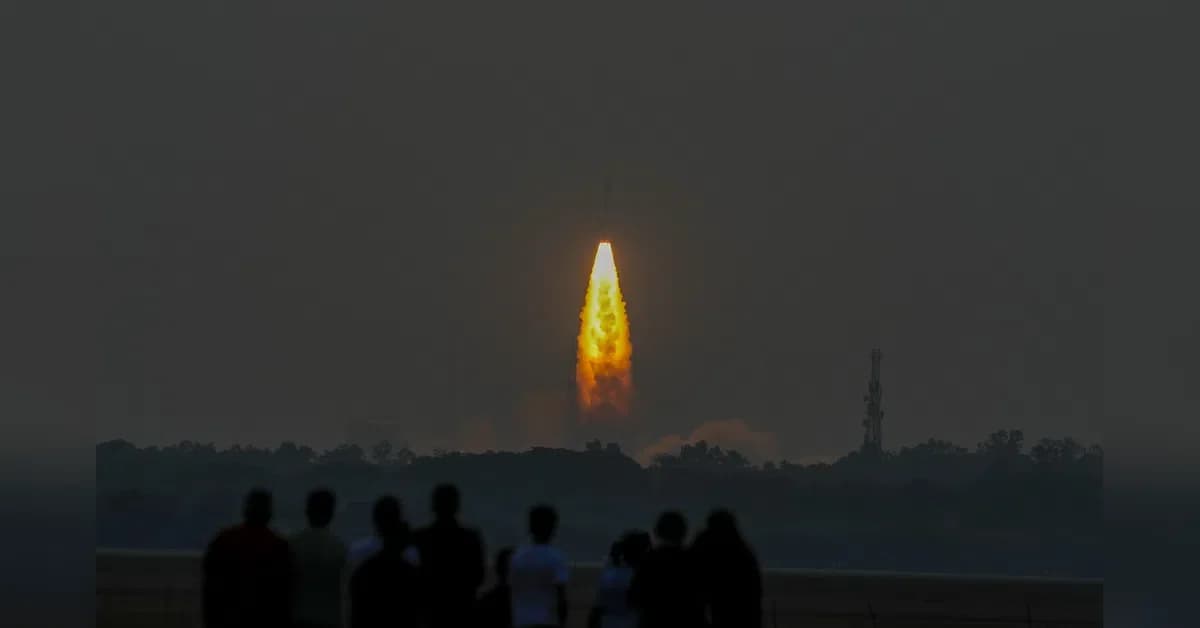
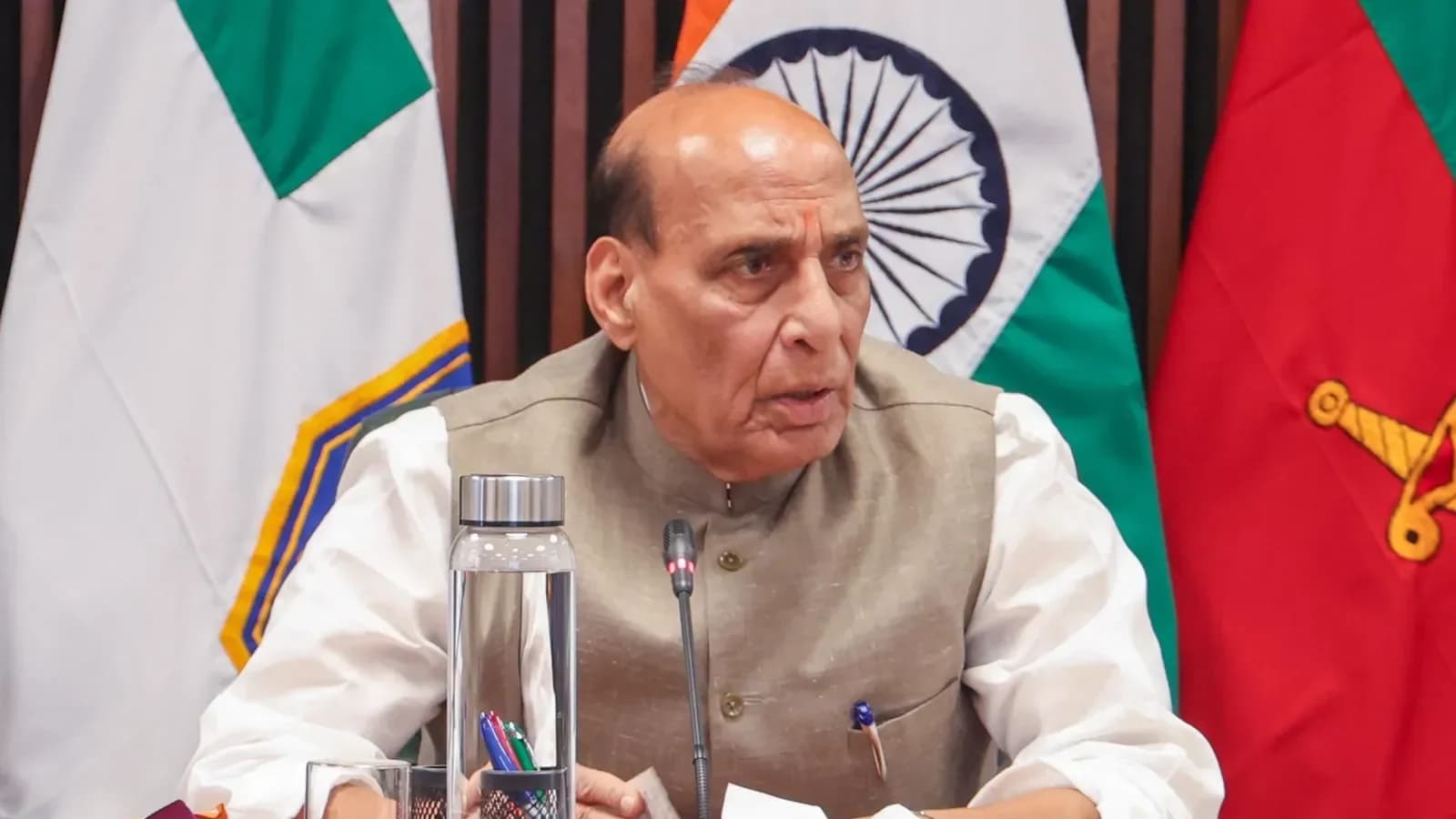
India has announced plans to share technology involving the Polar Satellite Launch Vehicle (PSLV), the country's most reliable rocket, with private sector companies. According to reports from Business Standard, Pawan Goenka, chairman of Indian National Space promotion and Authorization Centre, confirmed that an expression of interest has been released to transfer PSLV rocket technology to the private sector. The initiative is specifically designed to help speed up development of the local space industry.
The technology transfer will be restricted to companies that meet specific ownership requirements. As reported by Business Standard, only companies that are majority owned and controlled by Indians will qualify for the technology transfer. This criteria ensures that the technology remains within domestic control while promoting private sector participation in India's space industry.
The move comes as India seeks to become a hub for small satellite launches and follows the government's decision to open the space industry to private sector participation in 2019. According to Business Standard, since Prime Minister Narendra Modi's decision, hundreds of space-related startups have sprouted, and even billionaire Mukesh Ambani's Jio Platforms Ltd. has voiced its plans to build a satellite constellation. The private sector involvement represents a significant shift in India's space industry approach.
Despite the positive developments, India has faced recent setbacks in its space missions. As reported by Business Standard, two consecutive missions by the PSLV rocket have failed in the past year. However, Pawan Goenka emphasized that the setback is temporary, noting that the rocket has a track record of more than 60 launches without failure. The chairman indicated that India is seeing interest from many large groups looking for the right opportunity, though he didn't specify specific names.
The government has significantly liberalized foreign investment in the space sector to attract investment, technology and manufacturing capacity. As reported by APPSC Current Affairs, FDI in the space sector was liberalized in February 2024 to facilitate private participation. Major private companies now include Pixxel, Dhruva Space, Skyroot Aerospace, Agnikul Cosmos, and Bellatrix Aerospace. The government has established NSIL as a single-window institution that has facilitated 71 ISRO technology transfers by January 2026 and commercializes ISRO technologies with revenue rising from ₹321.77 crore in 2021–22 to ₹3,246.09 crore in 2024–25.