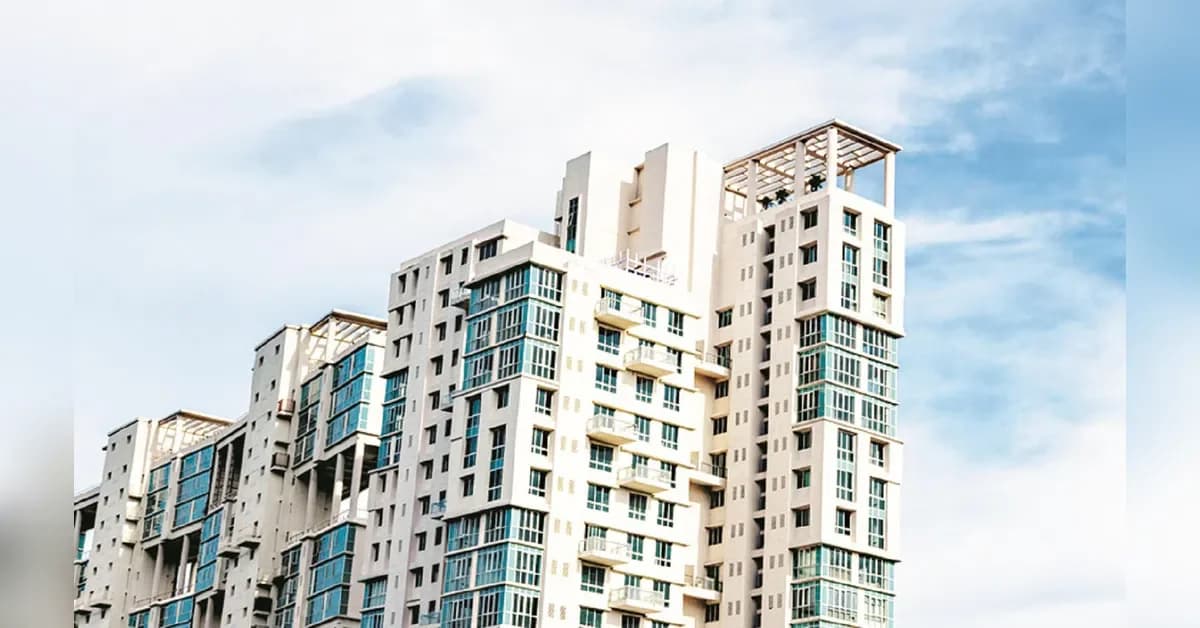
Non-Resident Indians are emerging as a significant force in India's luxury housing market, with 10-12% of luxury home sales now coming from NRI buyers across key global markets. According to Sudeep Bhatt, Director – Strategy at Whiteland Corporation, NRIs from the Middle East, Singapore, the UK, Australia and Canada are driving this growth through their preference for globally benchmarked branded residences. As reported by The Economic Times, this trend is supported by India's robust economic growth, improving infrastructure, and the appeal of professionally managed residences that offer transparency, strong governance, and long-term value creation.

New Chandigarh has transformed into one of India's most compelling residential destinations, driven by government-backed GMADA planning and strategic infrastructure development. According to market analysis, the region offers 100 persons per acre maximum low-density planning with underground utilities, proximity to Chandigarh PGI, Tata Memorial Cancer Hospital, and the 38,000-seat PCA Cricket Stadium. The area benefits from three national highways within 20-30 minutes, Chandigarh Airport expansion, and commercial yields of 5-8% for well-located SCOs. Major developers including DLF (₹1,000 crore investment across 170 acres) and Omaxe (over 1,000 acres across multiple phases) have committed significant investments, while the Oberoi Sukhvilas Resort & Spa serves as a premium lifestyle credential for the area.
Whiteland Corporation expects premium and branded residences to contribute a larger share of revenue over the next three to five years, as buyers increasingly seek developments backed by globally recognised brands. The company's portfolio spans luxury residences, branded residences, low-rise developments, and commercial assets, with projects like Urban Cubes 71 redefining high street retail experiences. Key developments include The Aspen high rise nearing completion and Blissville low rise preparing for possession this year.
The collaboration with Marriott International for Westin Residences Gurugram represents a shared commitment to deliver globally benchmarked residential experiences through integrated hospitality services. As reported by The Economic Times, the partnership allows integration of wellness-led design principles, personalised concierge services, professionally managed amenities, and global service standards. The most significant aspect is Marriott's long-term management commitment, which helps preserve quality, operational excellence, and asset value over time while ensuring residents benefit from exceptional living experiences and stronger long-term value creation.
For high-net-worth individuals, luxury real estate has evolved beyond lifestyle purchases to become an important component of long-term wealth planning, serving as both asset stability and hedge against inflation. According to Bhatt's assessment, the luxury housing market is undergoing structural transformation with rising disposable incomes, wealth creation, and changing lifestyle aspirations encouraging buyers to prioritise quality, wellness, and professionally managed environments. The market fundamentals supporting FY26, including strong end-user demand and infrastructure-led growth, are expected to continue supporting the luxury housing sector in FY27 and beyond. New Chandigarh's planned commercial and institutional zones (Medicity and Education City) are deliberately positioned to create an employment base within walkable distance of housing, creating structurally durable residential demand over 10-15 years.