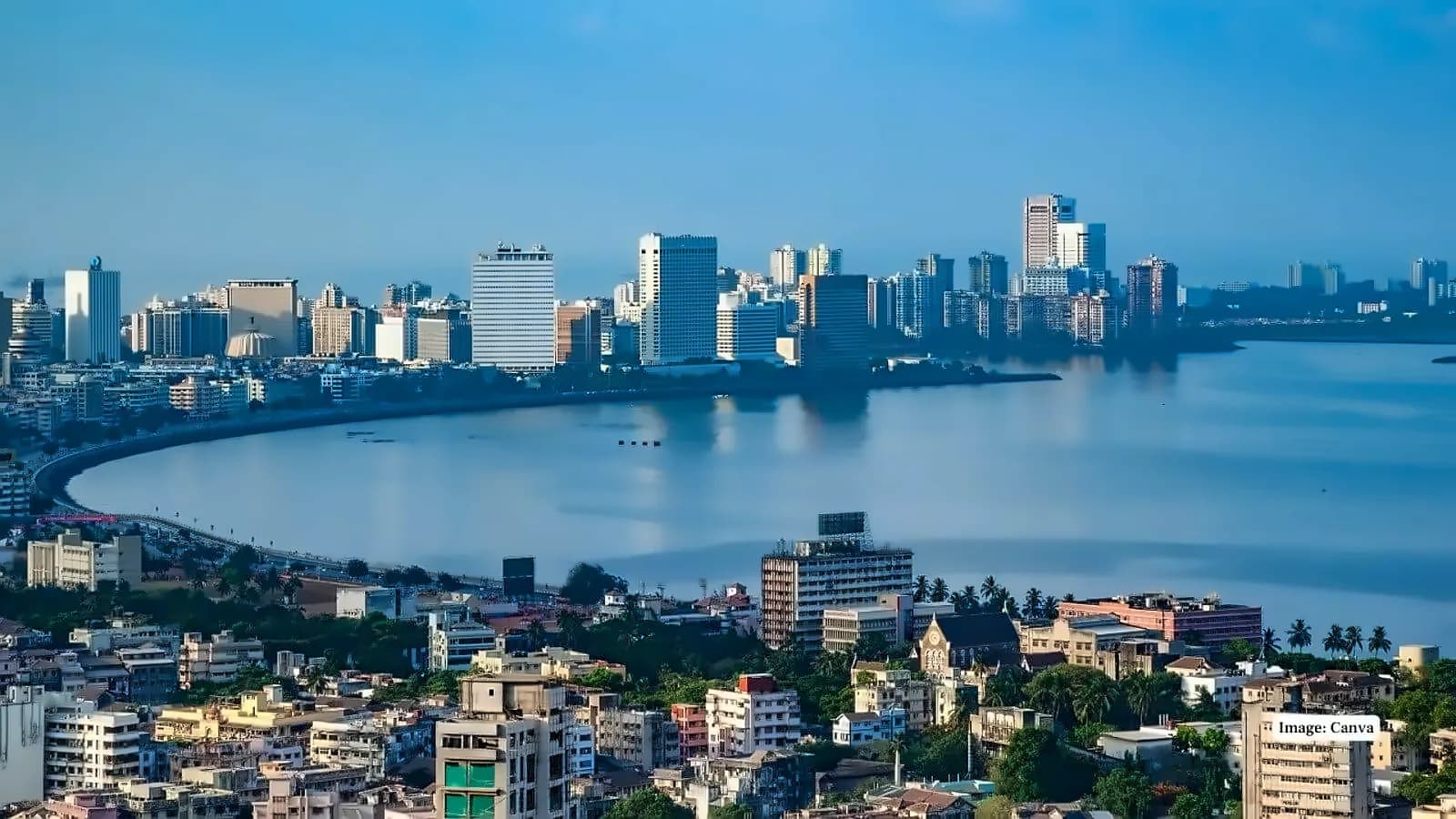
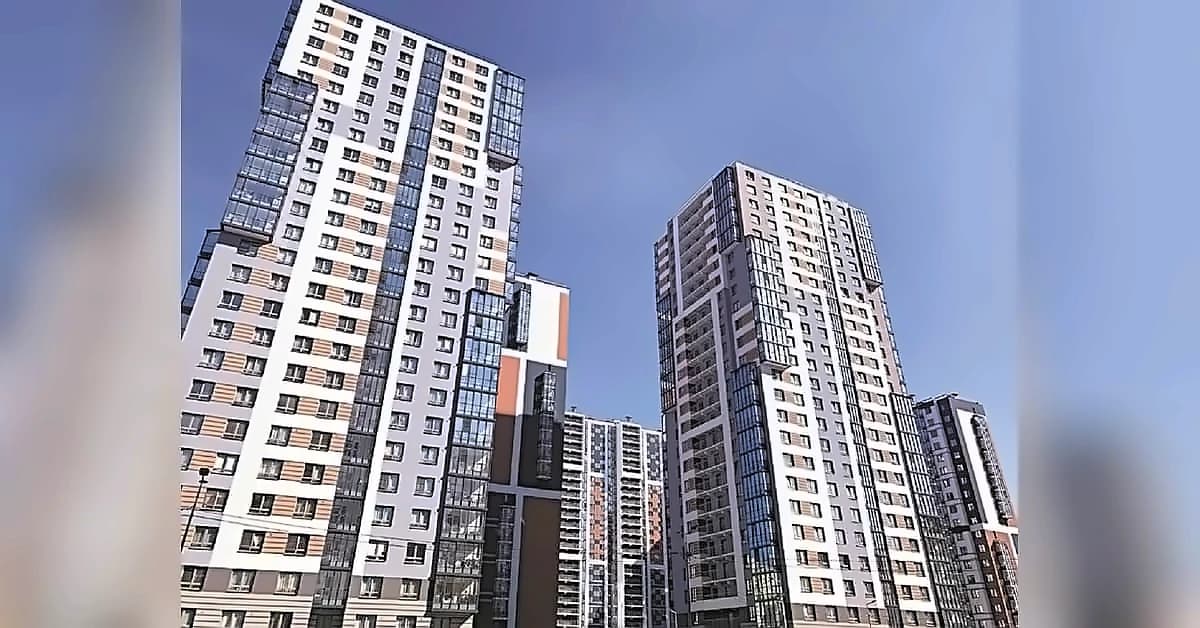
Mumbai's redevelopment segment has experienced dramatic growth, rising from under 6% of housing sales to close to 15% in under a decade, according to JLL data. As reported by CNBC TV18, redevelopment housing accounted for just 5.6% of total sales between 2016 and 2021, but this share increased to 14.7% between January 2025 and June 2026. JLL's senior managing director Karan Singh Sodi expects this trend to continue, projecting that redevelopment's share will keep rising over the next 5 to 7 years. The latest data from The Economic Times confirms this trajectory, showing redevelopment accounted for 15% of residential sales in 2025-H1 2026, up sharply from 6% in 2016-21, and now makes up about 13% of residential supply.
The redevelopment pipeline remains substantial, with JLL's data showing more than 1,000 new redevelopment projects launched since 2020. According to the report, the market counts more than 13,500 cess buildings and over 1,600 self-redevelopment societies that have already approached developers, indicating a large pipeline still to come. Recent developments include Puravankara Ltd announcing plans to redevelop three housing societies in Mumbai, with total revenue expectations of ₹2,600 crore from projects located in Bangur Nagar, Goregaon West, offering a total developable potential of 1.05 million sq ft. The market continues to attract major developers, with The Economic Times reporting that institutional developers including DLF, Lodha and Prestige are increasingly participating in redevelopment projects.
Sodi pushed back on concerns that redevelopment itself is driving up costs, stating that the bigger factor is infrastructure and connectivity, which re-rate land prices regardless of whether a project is a redevelopment or built on open land. As reported by CNBC TV18, buyers who are sensitive to cost should consider peripheral markets that are still five to seven years from maturing. However, he noted that most buyers are choosing to pay more to live in established locations rather than wait for peripheral markets to mature. The market continues to show strong pricing power, with recent project announcements like Puravankara's ₹2,600 crore redevelopment project demonstrating the premium value developers are commanding for redevelopment projects in prime Mumbai locations. According to Knight Frank India's research, ongoing redevelopment projects are expected to unlock over 44,277 new homes valued at ₹1.3 lakh crore by 2030, with home values in Mumbai rising by around 28% from 2019 to mid-2025.
The market is seeing increased participation from institutional developers, with JLL noting that Slum Rehabilitation Authority (SRA) projects will be a growing part of the pipeline, helped by recent policy changes that make large SRA developments easier to execute. According to the report, this has drawn in larger, institutional developers including DLF, Lodha and Prestige, which are better positioned to fund and manage patient, long-duration projects. Sodi identified execution delays, approval timelines and financing issues, including problems with property titles or tenant relocation, as the biggest risks in redevelopment, higher than in a standard greenfield project. Recent legal developments show the challenges, with two members challenging a redevelopment plan citing 10% less area with potential ₹25-30 lakh loss, though they lost their case in Maharashtra Co-operative appellate court.
Sodi rejected the idea that the pace of redevelopment activity signals a bubble, calling it a structural shift rather than speculative activity. As reported by CNBC TV18, he said the market is fairly balanced between value-based redevelopment in core areas like Bandra, Khar, Juhu and Vile Parle, and volume-based redevelopment in the eastern and western suburbs. He noted that margins on redevelopment projects depend heavily on execution, since developers must manage tenant rehabilitation, rent payouts, approvals and financing over a long cycle, while the current dip in national sales volumes represents a momentary shift rather than the start of a price correction. The market's structural shift toward redevelopment continues to be supported by Mumbai's limited availability of large parcels of open land in core markets, making redevelopment the primary route for new housing supply.