The Maharashtra Coastal Zone Management Authority (MCZMA) has recommended Coastal Regulation Zone clearance for Mumbai's offshore luxury floating hotel project, marking a significant milestone after nearly three decades of delays. The proposal, submitted by Rashmi Developments Private Limited, was approved at the MCZMA meeting held on June 16. While this recommendation marks a procedural breakthrough, the project cannot commence construction until it secures mandatory environmental, CRZ and other statutory approvals. The project traces its origins to the late 1990s when Raj Pradhan, Managing Director of Rashmi Developments, attempted to establish Mumbai's first floating restaurant, with the plan being shelved after local residents approached the Bombay High Court.
The planned marina complex is positioned as the gateway to the larger waterfront development and will feature comprehensive amenities including an Inland Water Transport Terminal, marina, yacht club, executive lounges, conference facilities, art gallery and exhibition space, cafes, restaurants, premium retail outlets and a pier with berthing facilities. The proposal also includes a helipad and dedicated operational zones for seaplanes and vertical take-off and landing aircraft. Luxury serviced apartments are planned with studio, 1-BHK, 2-BHK and 3-BHK configurations for long-stay guests, tourists and corporate visitors. According to the Detailed Project Report, the project involves constructing a 35,000-square metre terminal building comprising two basement levels and six upper floors on reclaimed land within the CRZ-IV (sea) area.
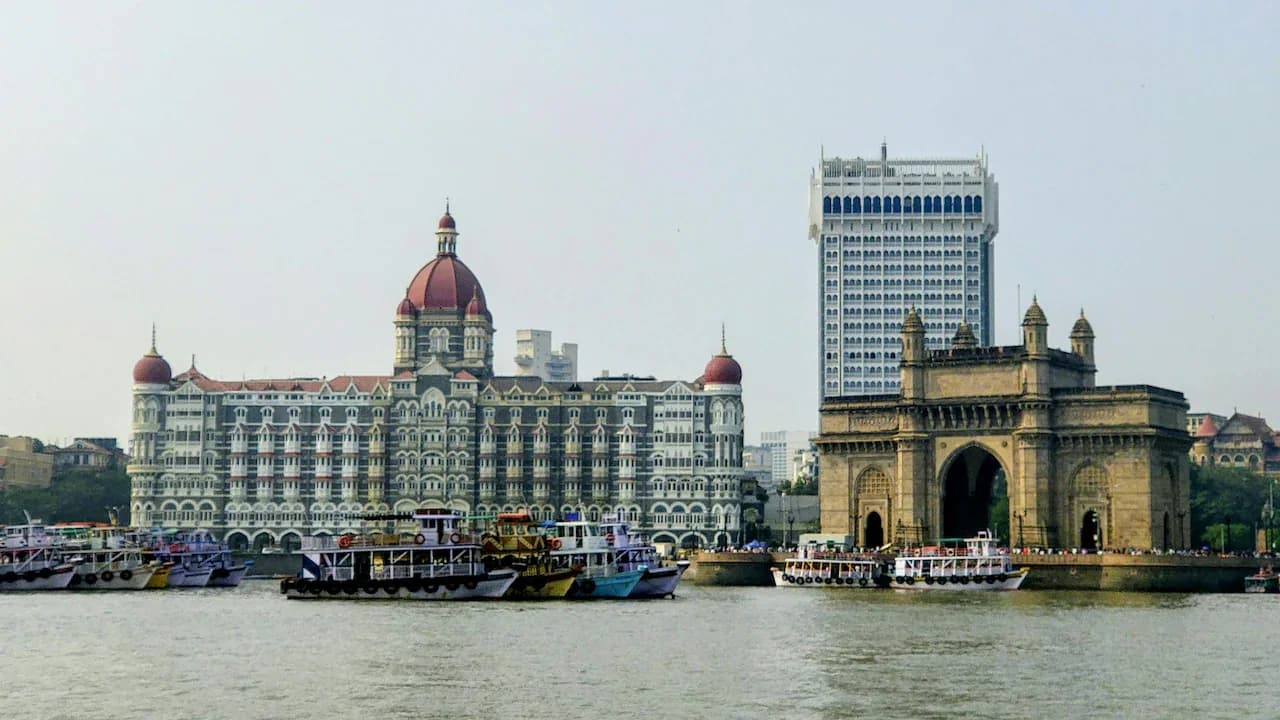
The most prominent component of the project is a proposed seven-star floating hotel to be anchored approximately two nautical miles off Nariman Point. This offshore hospitality facility will feature nearly 520 rooms, a 1,530-seat theatre, multiple restaurants and luxury lounges. Visitors will access the hotel through speedboats, seaplanes and helicopters, according to the proposal submitted to the authority. The floating hotel is envisaged as only the first phase of a larger tourism ecosystem, with plans for seaplane services connecting Mumbai with destinations including Lonavala, Pawna Dam, Bhushi Dam and Nashik, as well as coastal cruise services to destinations such as Dighi, Jaigad, Ganpatipule, Ratnagiri, Vijaydurg and Tarkarli.
The redevelopment will involve construction within the Coastal Regulation Zone, including reclamation in a CRZ-IV area. The proposal includes an eight-storey structure comprising two basement levels and six upper floors, with a total built-up area of around 35,000 square metres. Since the built-up area exceeds the 20,000 sq m threshold, the project will require Environmental Clearance from the State Environment Impact Assessment Authority and composite approval under the CRZ framework. The project also includes breakwaters, jetties, yacht ramps, navigation channels and turning circles requiring capital dredging of about 10.25 lakh cubic metres and sea reclamation of around 2.17 lakh cubic metres to create the marina infrastructure.
According to the proposal, the development aims to promote water-based transport in Mumbai as an alternative to the city's congested roads and overcrowded public transport network. The project also seeks to boost tourism and improve public access to the waterfront. The second phase proposes introducing seaplane services connecting Mumbai with destinations including Lonavala, Pawna Dam, Bhushi Dam and Nashik, as well as launching coastal cruise services to destinations such as Dighi, Jaigad, Ganpatipule, Ratnagiri, Vijaydurg and Tarkarli. Another proposal includes developing an island wellness resort with 36 accommodation units, accessible by boat, as part of a broader tourism and hospitality network. The project has its origins in an earlier proposal for a floating jetty and waiting area intended to serve an offshore hotel, with the current proposal officially titled "Inland Water Transport Terminal – Development of Marina" as a multi-modal waterfront development aimed at boosting marine tourism, recreational boating and water transport.