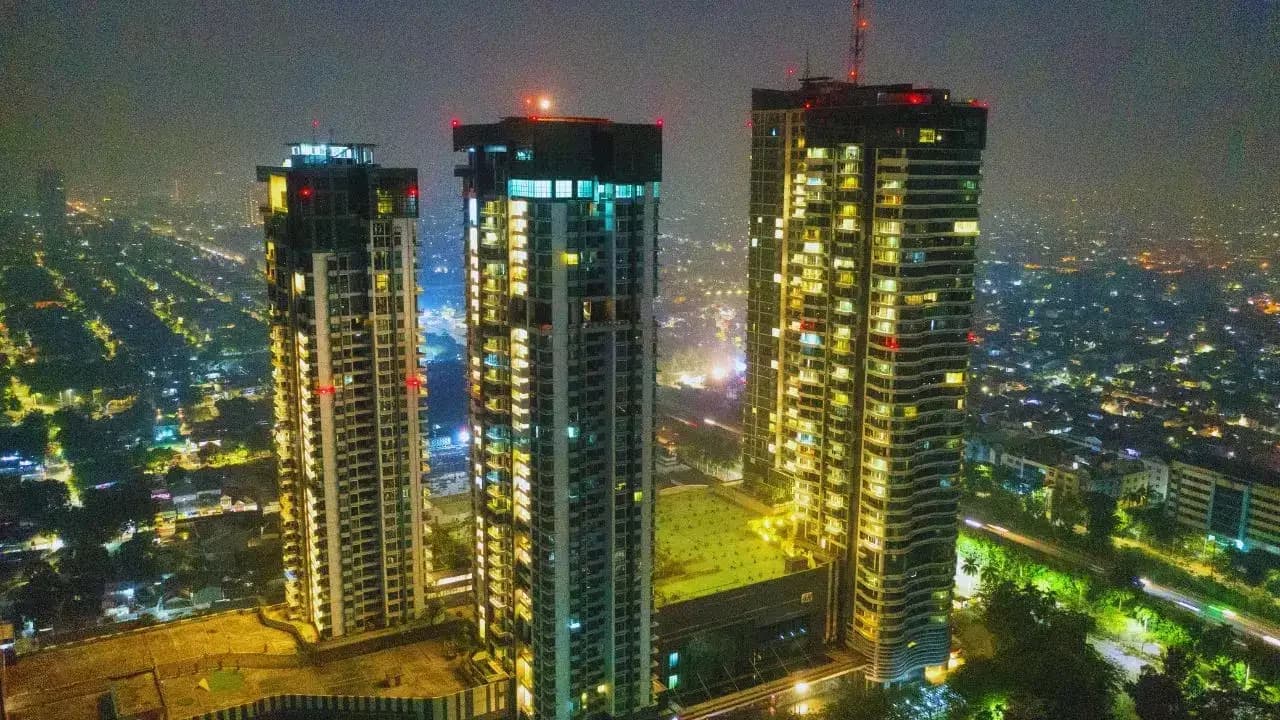
The luxury real estate market in India is experiencing a shift in financing dynamics as elevated global interest rates begin to influence local capital allocation patterns. According to recent reports, a prolonged period of elevated global interest rates is changing the economics of capital allocation worldwide, with higher funding costs becoming an increasingly important strategic variable. In the Gulf region, where currencies remain closely linked to the US dollar and large-scale economic transformation programmes continue to drive investment activity, higher borrowing costs are encouraging more disciplined capital deployment and stronger project prioritisation across capital-intensive sectors including real estate, construction, logistics, aviation, manufacturing and energy infrastructure.
India's luxury housing market continues to demonstrate remarkable resilience despite rising global uncertainties, geopolitical tensions, and concerns around inflation and interest rates. According to reports from The Economic Times, while broader economic caution has prompted buyers in the mass and mid-income housing segments to become more selective, affluent buyers and NRIs continue to drive strong demand for premium homes across key cities such as Gurugram, Noida, Bengaluru, Hyderabad, and Mumbai. The segment's resilience is particularly notable as higher global rates have materially changed financing assumptions for corporates across the GCC, with borrowing costs rising and refinancing decisions now requiring greater scrutiny.
The luxury segment's resilience is driven by sustained premiumisation trends that have dominated the market throughout 2025 and continued into Q1 2026. As reported by The Economic Times, HNI and NRI buyers are prioritising space and lifestyle over interest-rate sensitivity, with developers noting that affluent buyers increasingly seek spacious homes, curated amenities, smart-home features, wellness-focused living, and integrated lifestyle ecosystems rather than merely purchasing residential units. This trend aligns with the global shift toward capital efficiency, where projects are now being evaluated with greater attention to internal rates of return, debt servicing resilience, and funding structures.
Luxury real estate is increasingly being viewed as a long-term wealth preservation and creation asset by high-net-worth individuals and non-resident Indians. According to Rishabh Periwal, Senior Vice President at Pioneer Urban Land and Infrastructure, luxury real estate remains relatively insulated from immediate rate-related pressures, driven by equity, accumulated wealth, and demand for lifestyle upgrades. The segment is viewed as a safe-haven investment rather than speculative assets, with buyers increasingly preferring larger, smarter, and wellness-oriented homes. This perspective is reinforced by the global trend where investors are placing greater emphasis on profitability pathways, margin discipline, cash burn management and balance sheet resilience.
NCR remains one of the strongest luxury housing markets in the country, with Gurugram and Noida leading demand. As reported by Mohit Goel, Managing Director of Omaxe, Gurugram has seen record sales in the ultra-luxury segment over the last year, while Noida and the Noida Expressway belt continue to benefit from infrastructure growth around Jewar Airport and improving connectivity. Bengaluru and Hyderabad maintain strong demand due to sustained tech-led wealth creation, while Mumbai has remained relatively stable. The UAE property market continues to benefit from investor demand, population growth and long-term residency reforms, with Dubai recording property transactions exceeding AED 250 billion in the first quarter of 2026.
Despite luxury housing's resilience, market experts acknowledge growing caution among buyers and the impact of global financing conditions. According to Mohit Goel, there is more market caution after the Prime Minister's address and the ongoing West Asia crisis, with concerns around crude oil prices, inflation, the rupee, and possible rate hikes affecting buyer decisions. Binitha Dalal, Founder and Managing Director of Mt. K Kapital, noted that while the luxury housing market has demonstrated resilience due to end-user demand, it would be premature to draw definitive conclusions regarding structural impact, with broader implications becoming clearer over the next six to twelve months. The shift from liquidity abundance to capital selectivity is forcing stronger operational discipline, with businesses becoming more selective in their capital deployment and investors focusing on execution quality and commercial viability.