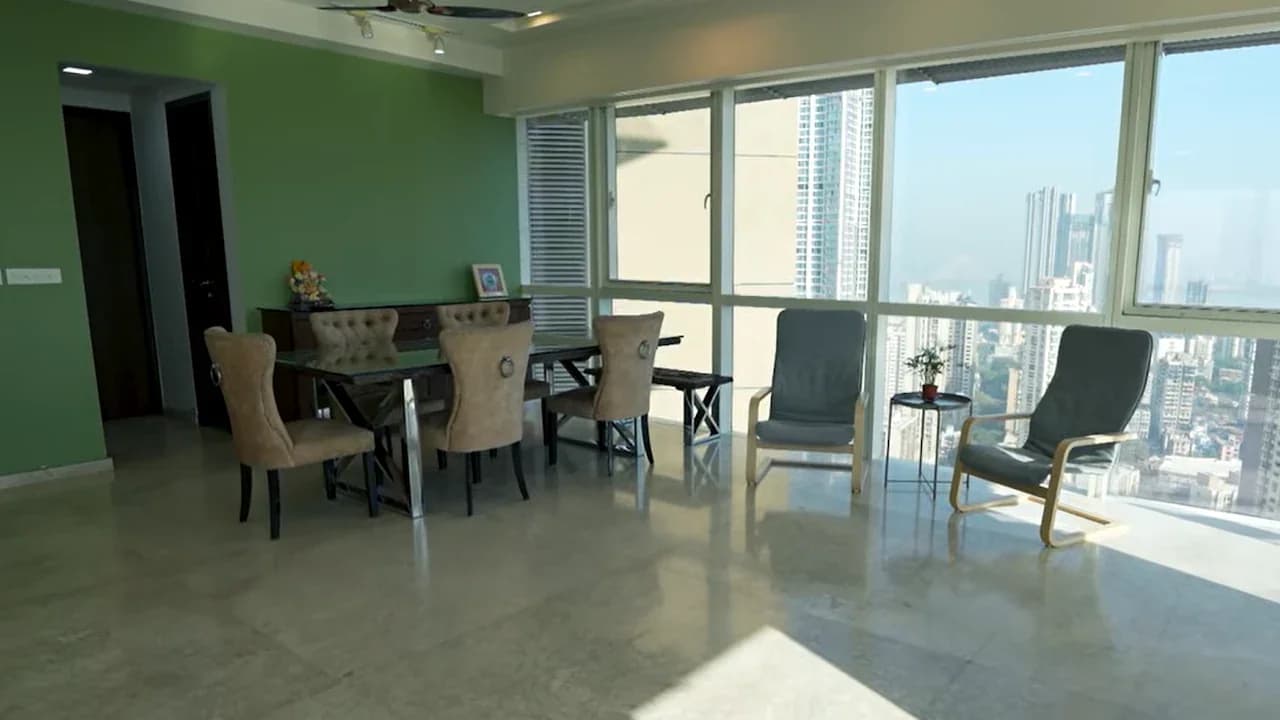
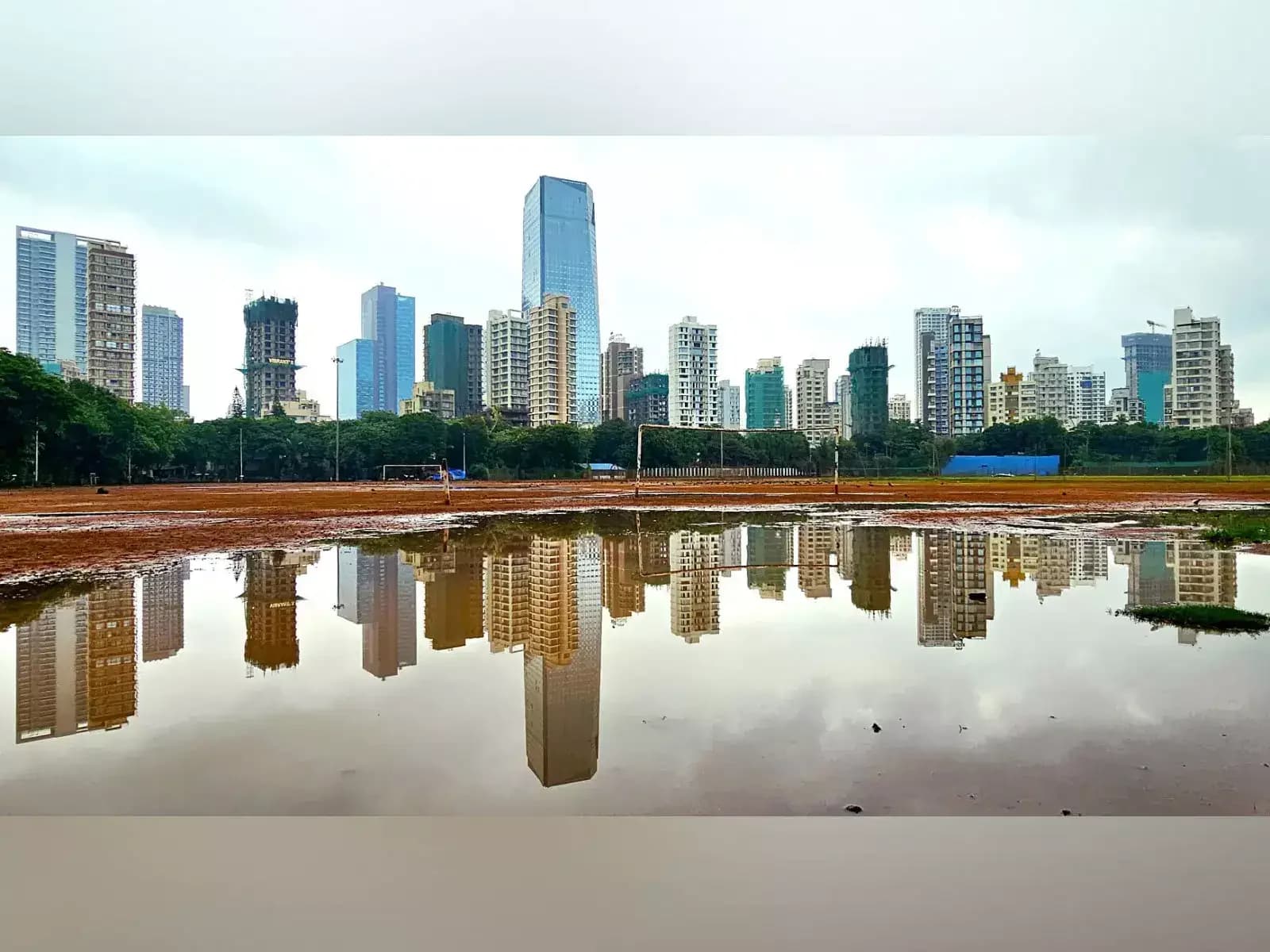
The luxury housing market is experiencing a fundamental shift as buyers increasingly prioritize privacy and space over traditional amenities. According to Gaurav Mavi, co-founder of BOP.in, post-Covid buyers have consistently prioritized projects with fewer families sharing lifts, lobbies, and common amenities. This trend extends beyond the rarefied ₹10-crore-plus segment, with buyers in the ₹2 crore–₹5 crore bracket also beginning to consider density while comparing homes. As reported by Business Standard, if two projects are broadly comparable in location, construction quality, specifications, developer credibility and amenities, the lower-density development could command a 5–15% premium.
The economics behind low-density luxury involves developers optimizing for price per unit rather than volume. Moheet Kalia, senior vice president at HCBS, explains that low-density living means fewer homes on more land, translating into more open space, better ventilation, greater privacy, and a quieter community. For buyers, the difference between 51 and 70–80 homes per acre may not appear significant on paper but becomes more apparent in everyday life, with fewer people sharing lifts, lobbies and common amenities, better natural light and ventilation, and more breathing room around towers.
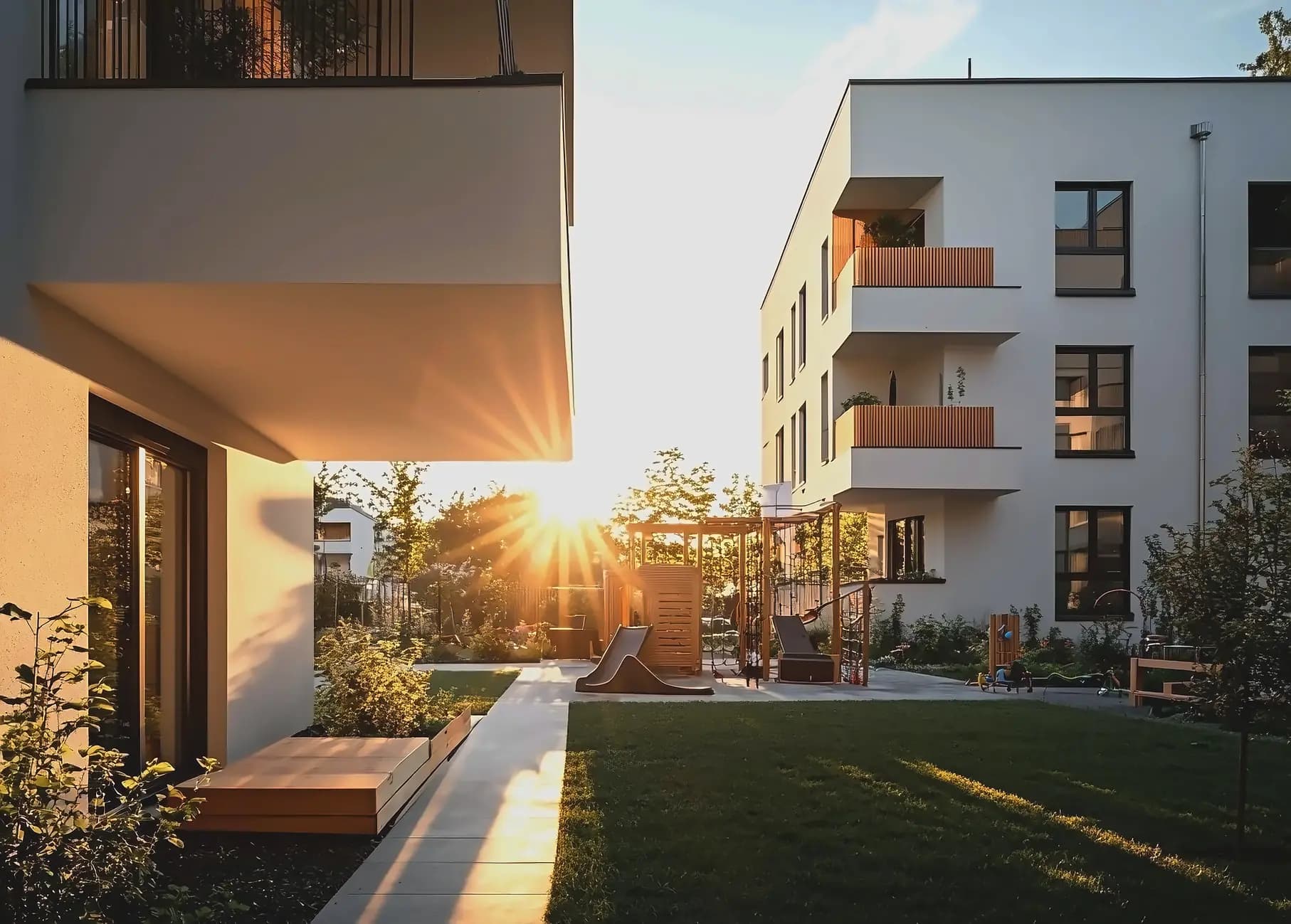
According to Sonali Rastogi, founder and vice chairperson of Morphogenesis, the new measure of luxury is not how much is built but how much is consciously chosen not to build. She emphasizes that in increasingly dense cities, the real premium is the space preserved for light, air, landscape, privacy and people. The architectural approach focuses on tower spacing, population density, and the number of residents sharing common facilities, with buyers advised to verify that promised open space is genuinely usable and landscaped rather than just driveways and vehicle areas.
The shift represents a move from amenity-led luxury to experience-led luxury, as noted by industry experts. For Ayushman Mehta, a 45-year-old Gurugram-based investor, the most valued features include sunlight through windows, air movement, trees outside balconies, quick elevators, unpacked pools, and decent distance from neighboring towers. The trend particularly appeals to business owners, senior corporate professionals, and non-resident Indians who value privacy and reduced shared spaces in their living environments.
Industry experts emphasize the importance of thorough due diligence when evaluating low-density projects. Buyers should examine total land parcel, total residences, homes per acre, FAR/FSI and ground coverage, tower spacing, and the number of apartments per floor. The analysis should extend beyond arithmetic to include how many lifts serve residents, population density, and whether open space is genuinely usable and landscaped. As noted by K. Madhuram Reddy of Gangothri Infraedge Private Limited, buyers should ensure that any premium for lower density is justified by tangible benefits and not just attractive marketing terms.