India's real estate sector is experiencing a fundamental shift from necessity-driven to lifestyle-focused decision making, according to industry experts. As reported by The Economic Times, what was once largely driven by necessity is now clearly shifting toward lifestyle-led decisions, with homebuyers placing greater emphasis on quality of life, flexibility, and long-term value. The latest CBRE report highlights that growth is no longer limited to metro cities, with Tier-II markets steadily emerging as important growth centres, backed by improving connectivity, infrastructure upgrades, and expanding urban ecosystems. Dr. Gautam Kanodia, Founder of KREEVA and Kanodia Group, noted that the Indian senior living market, estimated at around $3.55 billion in 2025, is expected to grow to nearly $14 billion by 2031. He emphasized that demand is becoming far more life-stage-driven than purely investment-led, with senior housing increasingly viewed as a lifestyle-driven ecosystem centred around healthcare, wellness, safety, dignified living, and community engagement rather than merely a retirement necessity.
Senior living is rapidly moving from a niche, need-based segment to a mainstream real estate category, driven by demographic changes and rising demand for community-led living. According to The Economic Times, players like Antara Senior Living by Max Group are a strong example of how the category is evolving into an integrated ecosystem of housing, healthcare and wellness. Maanu Dewan and Raunaq Arora, founders of Gurgaon-based Ace Consulting, highlighted that India currently requires nearly 20 lakh senior living homes, while organised supply stands at only around 18,000–20,000 units. This significant demand-supply mismatch presents a massive long-term opportunity for developers and investors focused on the segment. The growing financial independence of India's senior citizen population is further driving demand for home ownership as a secure investment for their future.
The pandemic has fundamentally changed buyer preferences in residential real estate, with demand clearly moving upward in terms of size and utility. As reported by The Economic Times, while 1 BHK homes continue to see demand in affordability-driven markets, there is a noticeable shift toward larger homes such as 2, 3, and even 4 BHK configurations. Buyers today are prioritising space, flexibility, and quality of life, with the need for dedicated work-from-home areas, study rooms, wellness zones, and multi-functional living spaces accelerating demand for bigger homes, particularly in urban and peripheral micro-markets. G Ram Reddy, President-Elect of CREDAI, noted there is a visible shift toward integrated communities, larger homes, and future-ready developments, with senior living, plotted developments, second homes, and wellness-oriented communities witnessing rising traction as consumer preferences evolve.
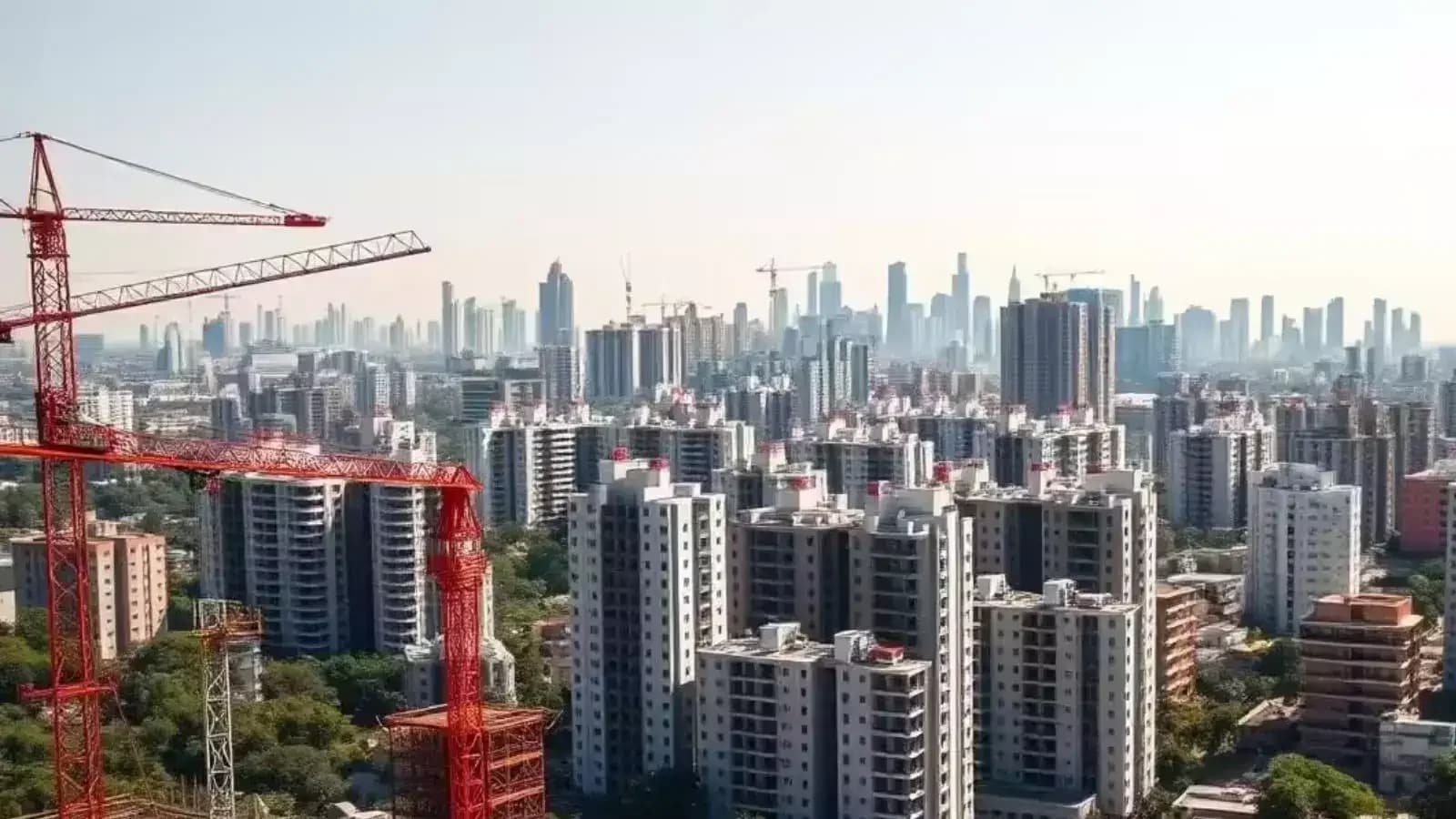
The commercial real estate sector is transforming with traditional office demand gradually evolving into a more flexible and experience-driven model. According to The Economic Times, companies are focusing on Grade A assets, managed workspaces, ESG-compliant developments, and locations that help attract talent. While hybrid working initially created uncertainty, it has eventually led to a 'flight to quality,' benefiting premium office developments and mixed-use commercial ecosystems. Pratyush Pandey, Founder of AARE Consulting, said companies are now focusing more on sustainable workspaces and better user experiences, which should support long-term demand for premium commercial assets. G Ram Reddy, President-Elect of CREDAI, echoed similar views, stating that commercial demand is increasingly centred around sustainable assets with strong infrastructure and enhanced user experience.
The transformation is being supported by a combination of stronger infrastructure, improved connectivity, steady occupier demand, and a matured investment environment. As reported by The Economic Times, Aman Sharma, Managing Director & Founder of Aarize Group, highlighted that the latest CBRE report reflects a real shift in India's real estate sector evolution. The sector appears to be moving into a more mature and sustainable growth phase, where quality, flexibility, and long-term usability will increasingly define demand, with improving infrastructure, expanding Tier-II opportunities, and changing buyer aspirations supporting this evolution. Dr. Gautam Kanodia emphasized that maintaining operational quality and creating communities that genuinely support emotional well-being and long-term care would be critical as the sector scales up, with industry players believing the next phase of India's real estate growth will increasingly be shaped by sectors aligned with demographic shifts, infrastructure development, and evolving consumer lifestyles rather than speculative investment activity alone.