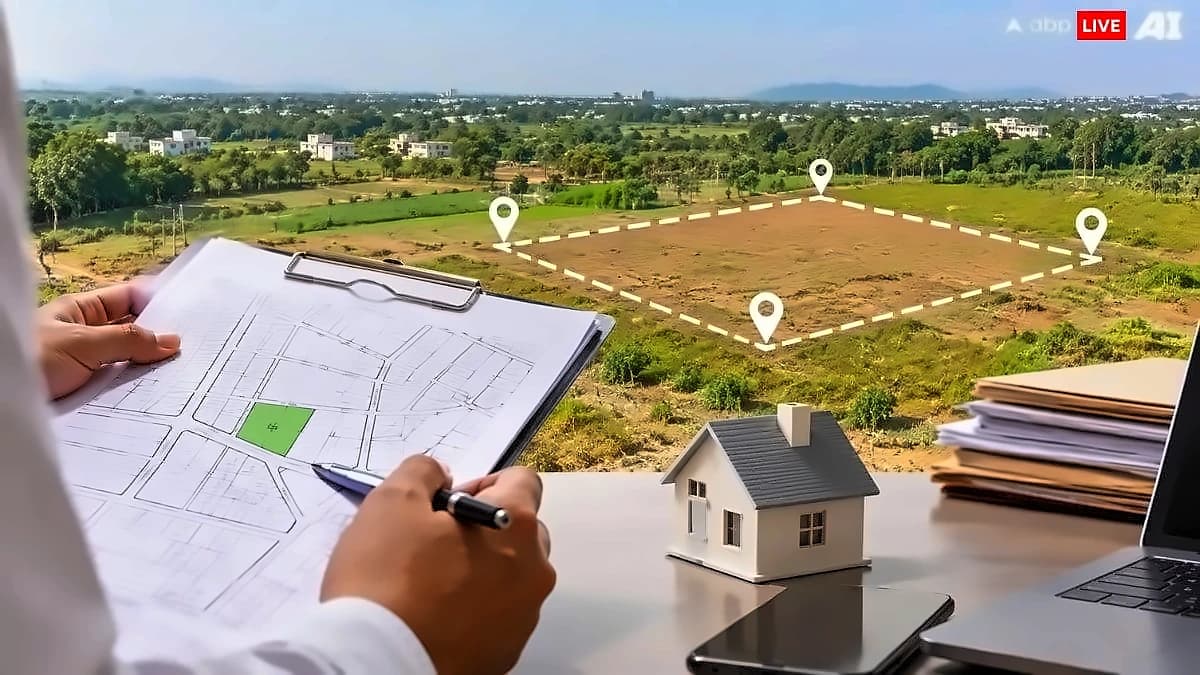
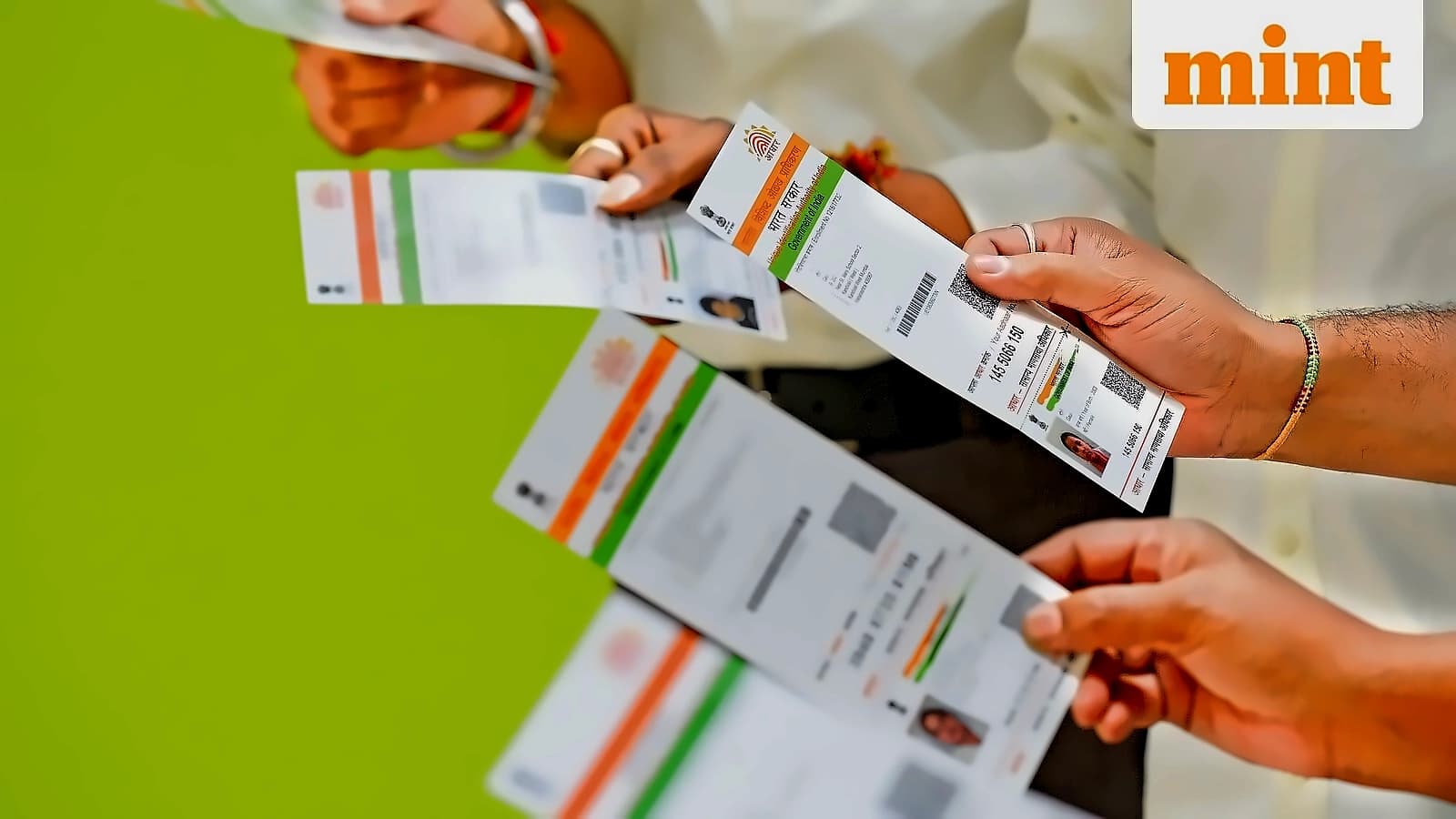
India has introduced a unique 14-digit Bhoo-Aadhaar number for every land parcel across the country under the government's latest land-record modernisation initiative. According to reports from The Economic Times, this system is part of the Digital India Land Records Modernization Program (DILRMP) 3.0, for which the government has now issued comprehensive guidelines. The programme seeks to bring land ownership records, maps and property registration details together in a digital framework covering areas from villages to cities, with complete georeferencing of cadastral maps expected to improve identification and mapping of individual land parcels.
DILRMP 3.0 will be implemented between 2026 and 2031 with a substantial budget allocation of ₹565.5 crore (US$1.2 billion). As reported by The Economic Times, the programme will be implemented over a six-year period, providing adequate time for comprehensive digitisation and infrastructure development. The government expects this digital transformation to significantly improve the efficiency and accessibility of land-related services across the country. DILRMP 3.0 will be implemented across all states and Union territories with 100 per cent central funding, with funds released in phases based on implementation and performance, monitored through a real-time DILRMP Management Information System (MIS) dashboard.
The digitisation exercise extends beyond rural land to include urban properties through the NAKSHA pilot project. According to The Economic Times, this initiative will prepare GIS-based land records for urban areas and issue Urban Property Cards (UrPro Cards). The programme will bring urban land and property information into the broader digital-record framework being developed under DILRMP 3.0, ensuring comprehensive coverage of all property types across India. The upgraded digital land records system will help farmers access institutional credit while reducing the need for repeated visits to government offices for land-related services.
The programme includes significant infrastructure improvements with 75 high-footfall sub-registrar offices being developed as modern service centres. As reported by The Economic Times, these centres will be modernised as "registration seva kendras" based on the model of passport seva kendras to improve property registration services. The government also plans to focus on scanning and preserving legacy land records, developing a registration repository and computerising revenue courts. This integration aims to streamline the entire land-related service delivery system across the country.
Under the new phase, states will be able to create their own digital "land stacks" by integrating land-related datasets and systems through application programming interfaces (APIs). These state-level platforms will subsequently serve as building blocks for a federated national land stack, enabling interoperability while allowing respective authorities to retain ownership and control over their data. Union Rural Development Minister Shivraj Singh Chouhan launched the operational guidelines, emphasizing that land should be viewed not merely as property but as an asset linked to farmers, families and future generations. The earlier phases of DILRMP have resulted in the digitisation of 99.9 per cent of Records of Rights and 97 per cent of cadastral maps, while 99 per cent of sub-registrar offices have been computerised.