DLF has achieved a defining milestone in Indian real estate with the ₹271 crore sale of a penthouse at DLF The Dahlias in Gurugram, marking the most expensive single-unit penthouse deal in India. The transaction features buyer Manav Sardana, an entrepreneur previously associated with Imperial Auto (acquired by global private equity firm Warburg Pincus). Located at DLF Phase-5 along Golf Course Road, this ₹2.6 lakh per square foot penthouse ranks second only to select ultra-exclusive residential enclaves in South Mumbai. The deal demonstrates Gurugram's evolution into a world-class luxury hub, with 25% to 30% of buyers at The Dahlias coming from outside Delhi-NCR region, including prominent business families from Tier-2 cities and NRI investors.
DLF is repositioning its retail portfolio into a 'luxury ladder' strategy, creating a progression from accessible premium brands to luxury destinations. According to reports from Mint, the company's retail consumption and spending grew 12% year-on-year in the June quarter, while rentals increased about 9%. The strategy involves sharpening mall positioning around different consumer spending stages, from neighbourhood plazas and city-centre malls to aspirational luxury and ultra-luxury destinations. As reported by Mint, DLF's DLF Promenade is being repositioned towards aspirational and entry-level luxury, with new brands like Lululemon, Off-White, Ogaan, Armani Exchange, Hugo Boss, Coach, and Michael Kors moving into the developer's premium malls.
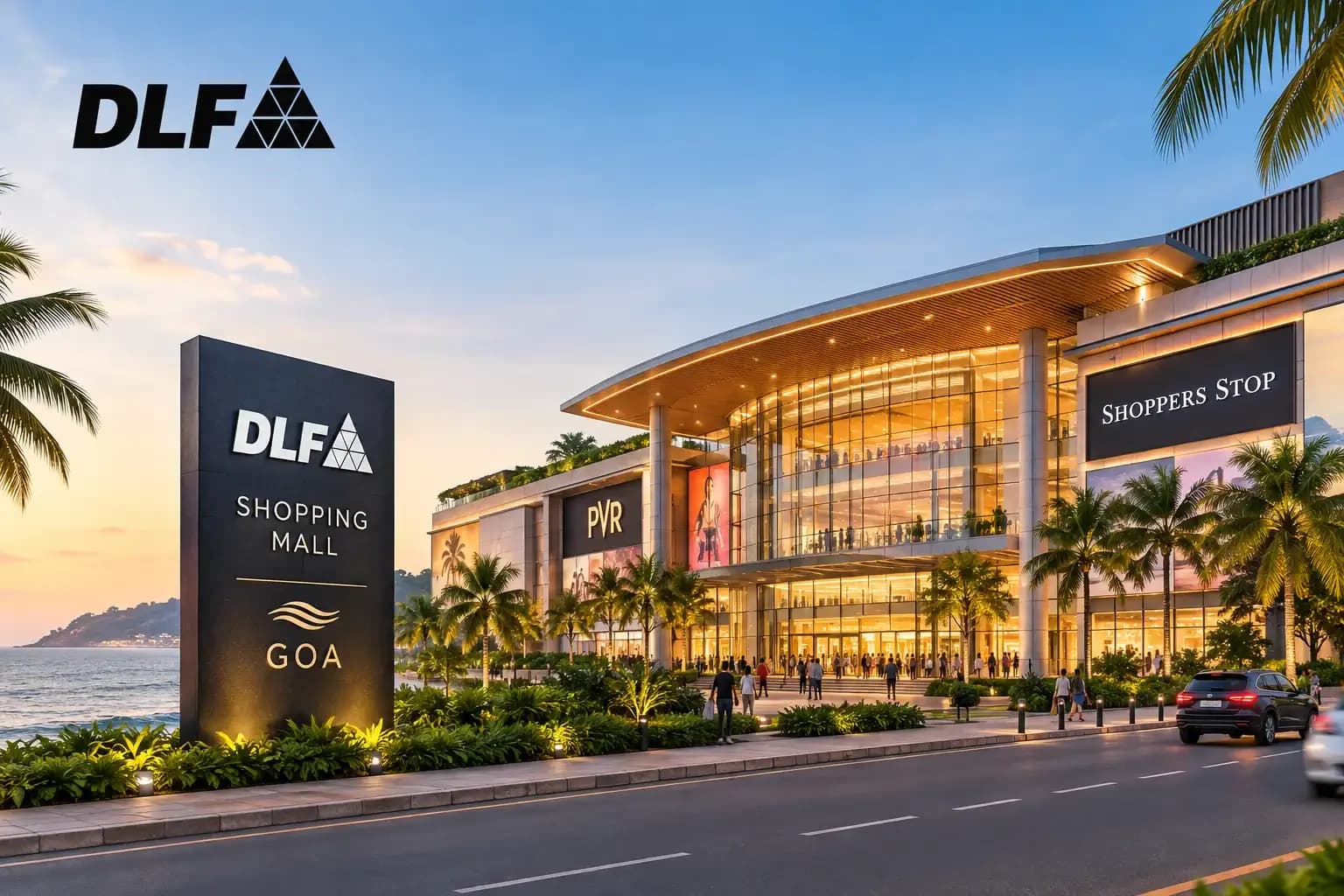
The developer plans to double its 5-million-sq-ft retail portfolio by 2030, with three new projects adding about 1.3 million sq. ft in the current financial year. According to Mint, two projects - Midtown Plaza in Delhi's Moti Nagar and Summit Plaza in Gurugram - are already opening. The third project, a roughly 700,000 sq. ft. mall in Goa, has received occupation certificate and will open in early 2027. The Goa project marks DLF's first major retail expansion outside the Delhi-NCR region, expected to draw primarily local consumers with tourists providing additional demand. The three new projects are expected to contribute about 20-22% to retail revenue eventually, though stabilization will take several years.
DLF's retail portfolio currently attracts about five million visitors monthly, with the focus shifting from footfall to consumer spending growth. As reported by Mint, the company's retail EBITDA grew to ₹72,246 crore (+12% year-on-year). The existing portfolio maintains 97% occupancy, with rental resets allowing increases of 22-25% as leases reach six- or nine-year cycles. The company finances its ventures through DLF Cyber City Developers Ltd (DCCDL), a joint venture with Singapore sovereign wealth fund GIC. In 2024, DLF announced ₹2,200 crore investment in its Mall of India Gurugram project, currently under construction.
According to Mint, retail analytics company PropEquity's Samir Jasuja noted that large mall operators like DLF, Phoenix Mills, and Nexus Select Trust have built scale and operating expertise, with many developers from the 2002-06 period having disappeared due to high capital requirements and past oversupply. Phoenix Mills' retail destinations saw consumption cross ₹16,587 crore (+21% year-on-year) with retail EBITDA growing to ₹72,246 crore (+12% y-o-y). The repositioning extends beyond luxury, with neighbourhood plazas hosting smaller brands including 360 brands with 125 newer boutique and direct-to-consumer labels.