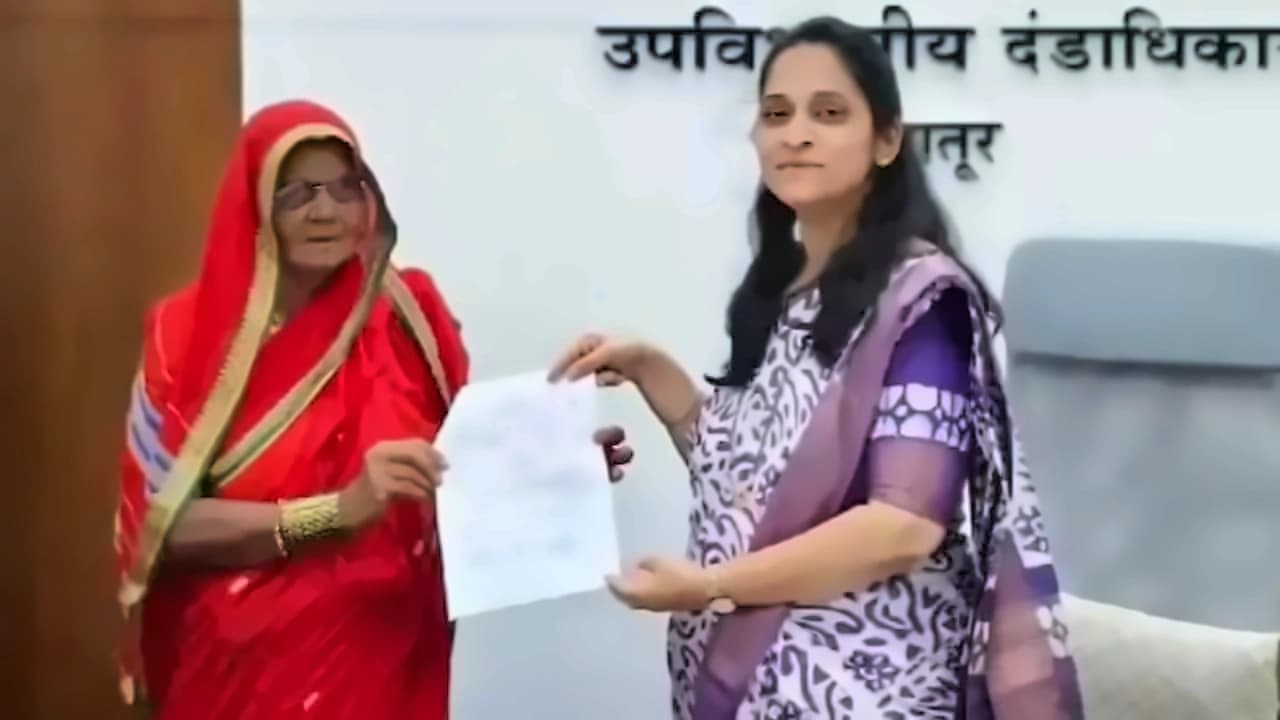
An 89-year-old woman's property rights were restored by a tribunal in the Latur district of Maharashtra after a gift deed transferring agricultural land to her grandson and great-grandson was revoked. According to reports from PTI, the tribunal determined that the beneficiaries had not fulfilled their obligation to care for and maintain the elderly woman, which was a requirement of the property transfer. The March 18 judgment effectively restored the old woman's ownership rights and legal protection over the land, with a copy of the order made available on Monday.
Case files show that Housabai Lahade gave her grandson and great-grandson about three hectares of agricultural land in Karsa village via a registered gift deed. According to PTI, the transfer was made on the understanding that they would provide her with care, support and maintenance. The arrangement later broke down when the beneficiaries allegedly failed to fulfill their responsibilities towards the elderly woman, prompting her to file a complaint with the Senior Citizens Tribunal under the Maintenance and Welfare of Parents and Senior Citizens Act, 2007.
Presiding Officer Rohini Narhe-Virole observed that the responsibility to care for elderly family members extends beyond a moral obligation when property is transferred on such assurances. As reported by PTI, the tribunal concluded that the conditions linked to the transfer had not been honoured and ordered the cancellation of the registered gift deed. The panel also directed the immediate cancellation of revenue mutation entries and ordered the restitution of any government subsidies, crop insurance claims, financial benefits, or other gains made from the land during the contested period, along with applicable interest. Additionally, officials were told to ensure that the property would not be interfered with or obstructed in the future.
The tribunal emphasised how crucial it is for property transfer papers involving senior individuals to explicitly include maintenance and care commitments. According to PTI, the panel noted that when property is transferred on such assurances, the duty to care for senior individuals is not just a moral requirement but also a legally enforceable condition. The decision underscores the legal safeguards available to elderly citizens who transfer assets to family members on the assurance of support and care, and reinforces that such commitments can carry enforceable legal consequences when they form the basis of a property transfer. The ruling highlights the need for property transfer documents involving senior citizens to clearly spell out obligations related to care and maintenance, helping prevent similar disputes.