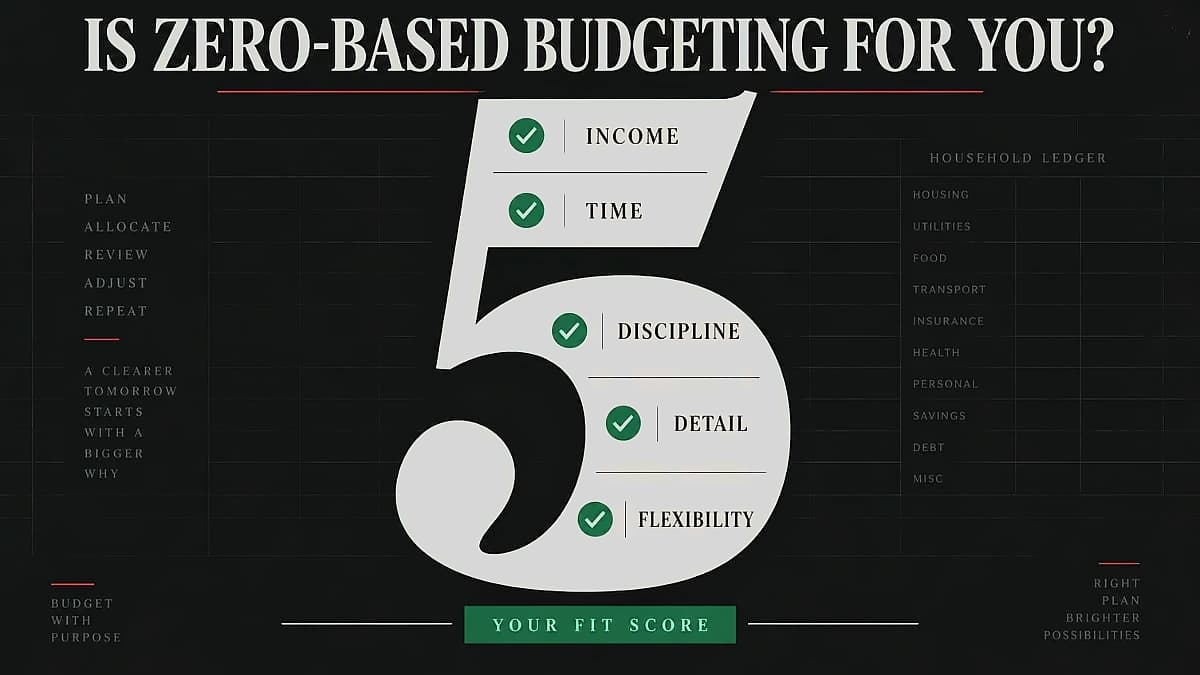
Zero-based budgeting is a financial planning method where families assign a specific purpose to every rupee of their income before the month begins. According to reports, this approach ensures that income minus expenses equals zero, meaning every rupee already has a planned use. The method includes essential expenses like rent, groceries, school fees, and EMIs, as well as investments and entertainment costs. This systematic approach provides genuine clarity about spending and saving habits, helping families notice money leaks such as unused OTT subscriptions, gym memberships nobody is using, or mobile and internet plans that cost more than necessary.
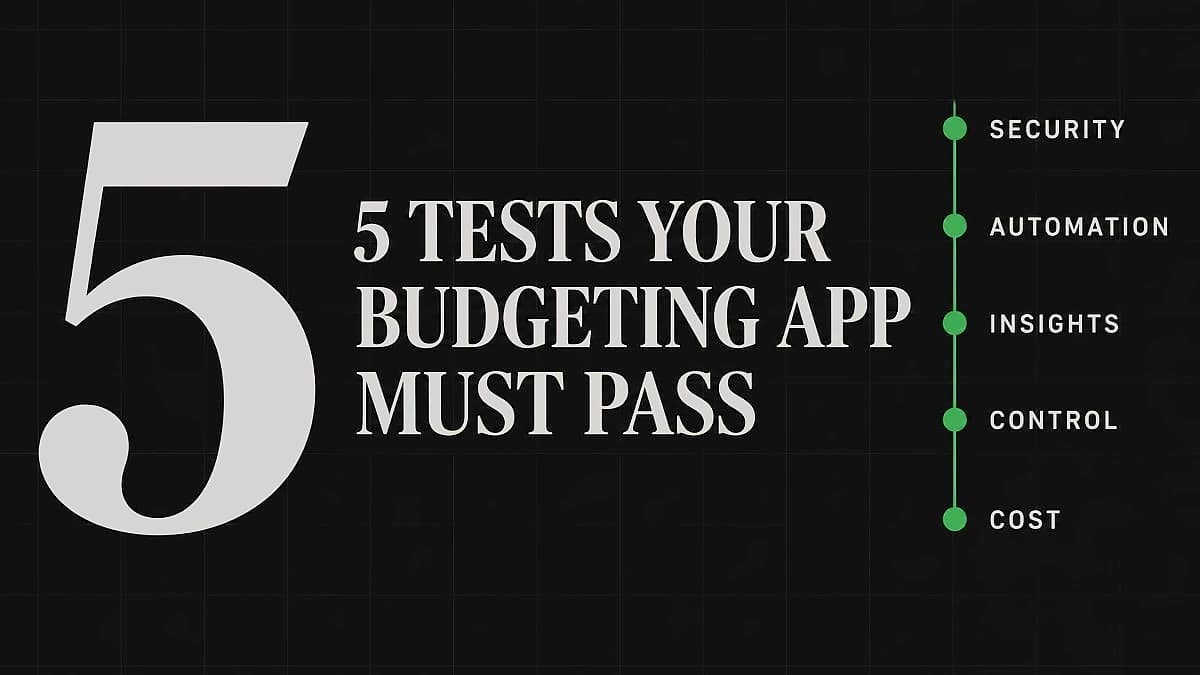
Modern budgeting apps like Goodbudget offer digital alternatives to traditional envelope budgeting, providing a visual system where users create envelopes for all budgeting categories including rent, utilities, groceries, dining out, savings goals, and debt payoff. When income is received, funds are allocated to these envelopes according to the budget plan, with the app offering flexible budget periods that align with paydays whether weekly, bi-weekly, semi-monthly, or monthly. The standout feature is syncing and sharing capabilities across multiple devices and with family members, making it invaluable for couples or households managing finances together. Goodbudget offers both free and premium versions, with the premium tier providing enhanced features like unlimited envelopes, automatic bank syncing, and extended transaction history periods.
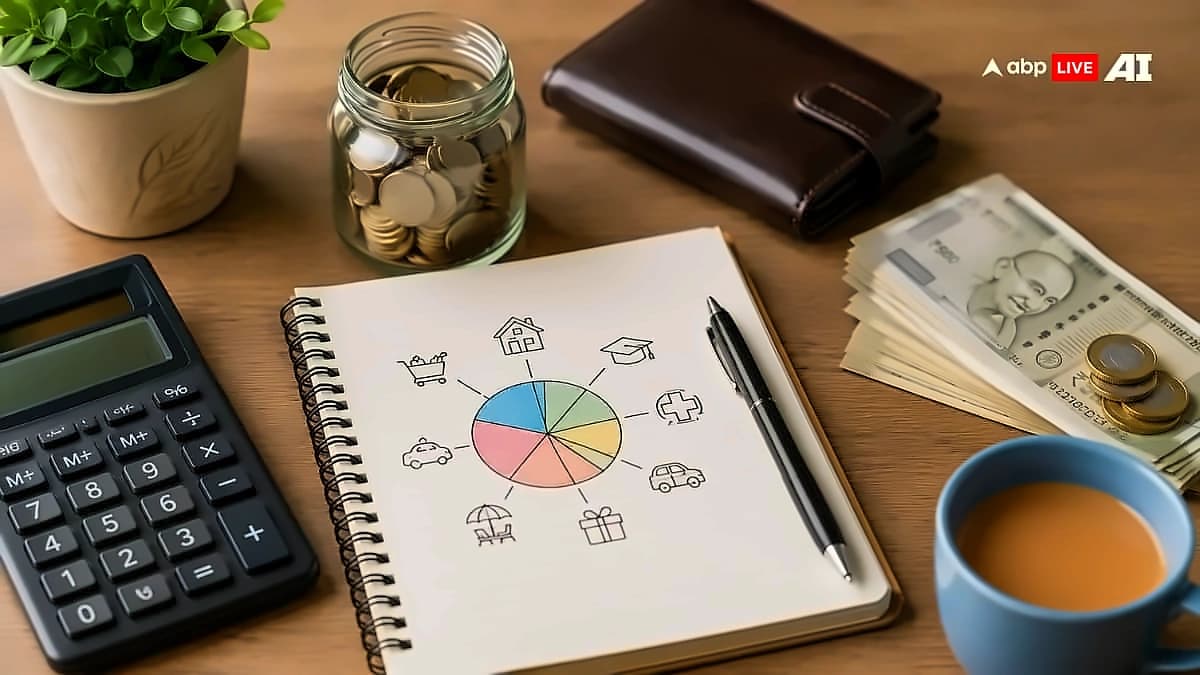
According to the report, zero-based budgeting requires effort, especially in the beginning, and families need to plan their expenses carefully every month while keeping track of spending regularly throughout. The method can be difficult for people with irregular incomes such as freelancers, shop owners, or small business owners due to unpredictable monthly earnings. The approach also demands discipline, as families must compensate for unexpected expenses by cutting spending elsewhere to maintain the budget balance. However, digital tools like Goodbudget address these challenges by offering flexible budget cycles and automatic syncing features that accommodate irregular income patterns.
For professionals earning ₹1 lakh monthly, financial experts recommend a structured allocation strategy where 50% is allocated towards essentials including rent, utilities, groceries, EMIs, and insurance; 30% towards lifestyle and discretionary spends; and 20% towards savings, investments, and protection needs. As per Atish Jain from Choice Connect, after taxation and deductions, the actual take-home salary may be significantly lower, with the real budget number being ₹72,000-₹80,000 in hand. The key to managing such income lies in maintaining consistency, avoiding impulsive spending, and adopting goal-based financial planning. Digital budgeting apps like Goodbudget provide tools to help track these allocations and maintain discipline throughout the month.
Financial experts emphasize the importance of paying yourself first by setting aside 20-30% of income into emergency funds, SIPs, retirement savings, or recurring deposits immediately upon salary credit. On ₹75,000 in-hand, this translates to ₹12,000-₹15,000 that should be treated as fixed payments like rent. The approach involves diversifying investments across equity mutual funds, fixed income instruments, gold, and retirement products, with disciplined savings and controlled lifestyle expenses remaining equally important for long-term financial stability. Digital budgeting tools can help users track progress towards these savings goals and maintain the focus needed for consistent investment growth.