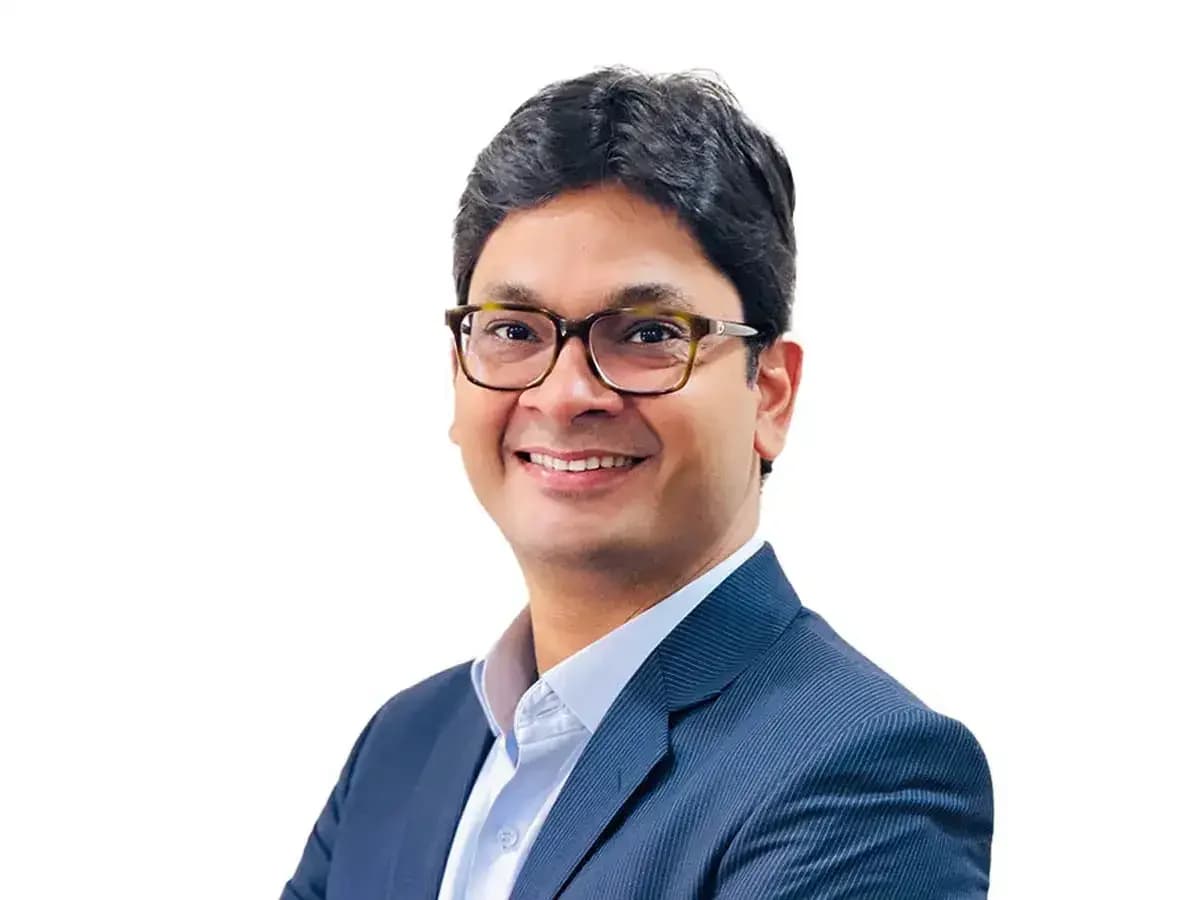
According to reports from Mint, Waterfield Advisors founder and CEO Soumya Rajan emphasized that wealth management extends far beyond investment products and short-term returns. Speaking on the latest episode of Let's Mint Money, she highlighted how advisors play a much larger role in governance structures, stewardship, family values, and solving everything around money. Rajan reflected on her journey from corporate banking in Mumbai during the 1990s IPO boom to founding Waterfield Advisors in 2011, noting that wealth management is often reduced to simply choosing financial products but requires understanding complex life decisions and generational transitions surrounding capital. As reported by GoCredit, most middle-class Indians accumulate financial products (FDs, SIPs, real estate, insurance) without a unified plan that connects these to actual life goals or family needs, highlighting the critical need for proper wealth planning.

As reported by Mint, Rajan stressed that asset allocation remains the single biggest driver of portfolio performance, particularly during periods of market stagnation or macro volatility. She advised against chasing trending products, emphasizing that what drives returns is the asset allocation approach. The company recommends balancing traditional equities with commodities like gold or silver, alongside Real Estate Investment Trusts (REITs), to protect capital when broader equity markets underperform. According to GoCredit, investors should check their asset allocation ratio today: if more than 60% of savings are in one asset class (real estate, FDs, or equity alone), they are taking more risk than they realize and need to rebalance. A pro tip suggests rebalancing once a year - moving gains from equity back into debt when markets are up - which takes only 30 minutes and historically reduces portfolio volatility by 15-20% without sacrificing returns.
According to Mint reports, Waterfield Advisors recommends purposeful global diversification to help families preserve capital against domestic drawdowns and inflation. The firm suggests expanding allocations beyond India to bring down home-country bias and provide exposure to global megatrends like AI hardware, robotics, and advanced energy transition technologies. Investors can execute this through the Liberalised Remittance Scheme (LRS) or Overseas Portfolio Investment (OPI) routes via GIFT City, targeting established US, Japanese, and other East Asian equity markets. The company's strategic partnership with US-based Zephyr Management offers tailored international strategies combining core global equity allocations with targeted international megatrend exposures. As noted by GoCredit, global economic shifts including US Federal Reserve rate changes and rupee depreciation increasingly affect Indian household portfolios, especially those with international fund exposure or foreign education goals.
As reported by Mint, in the alternatives space, private credit offers flexible structures for income-focused portfolios with predictable yields based on risk tolerance. Performing credit typically targets yields between 12-15%, while distressed credit opportunities can deliver returns upwards of 18-20%. For long-term equity growth, private equity and venture capital allow high-net-worth investors to capture early-stage enterprise growth before companies enter the public domain. Participating through co-investment structures enables smaller investors to leverage institutional due diligence, seat governance, and exit protections negotiated by primary funds.
According to Mint reports, addressing the recent exit of Foreign Portfolio Investors (FPIs) from the Indian market, Rajan attributed the capital rotation largely to global AI momentum and index reweighting toward markets like Taiwan and South Korea. Despite global uncertainties and short-term earnings pressure from elevated commodity costs, Rajan remains confident in India's structural trajectory, driven by growing consumer aspirations across tier-two and tier-three cities. She highlighted that steady monthly systematic investment plan (SIP) flows exceeding $3 billion and an expanding mutual fund ecosystem are advancing the financialisation of Indian household savings. Rajan concluded that domestic capital is anchoring the market through steady SIP flows, creating a clear blueprint for long-term legacy through combining domestic resilience with global diversification and sound family governance.