India's secondary art market has experienced remarkable growth, with turnover reaching ₹2,543 crore in 2025, up from ₹792 crore in 2015, according to 360 ONE's The Collector Guide. This dramatic increase reflects rising wealth and wider exposure to art among collectors. As reported by Business Standard, galleries, museums, art fairs and cultural institutions are bringing new audiences into the market, with Jaya Asokan, fair director at India Art Fair, noting a broader and more confident culture of collecting. Younger buyers increasingly research emerging artists, while wealthy investors seek new investment avenues in this alternative asset class.
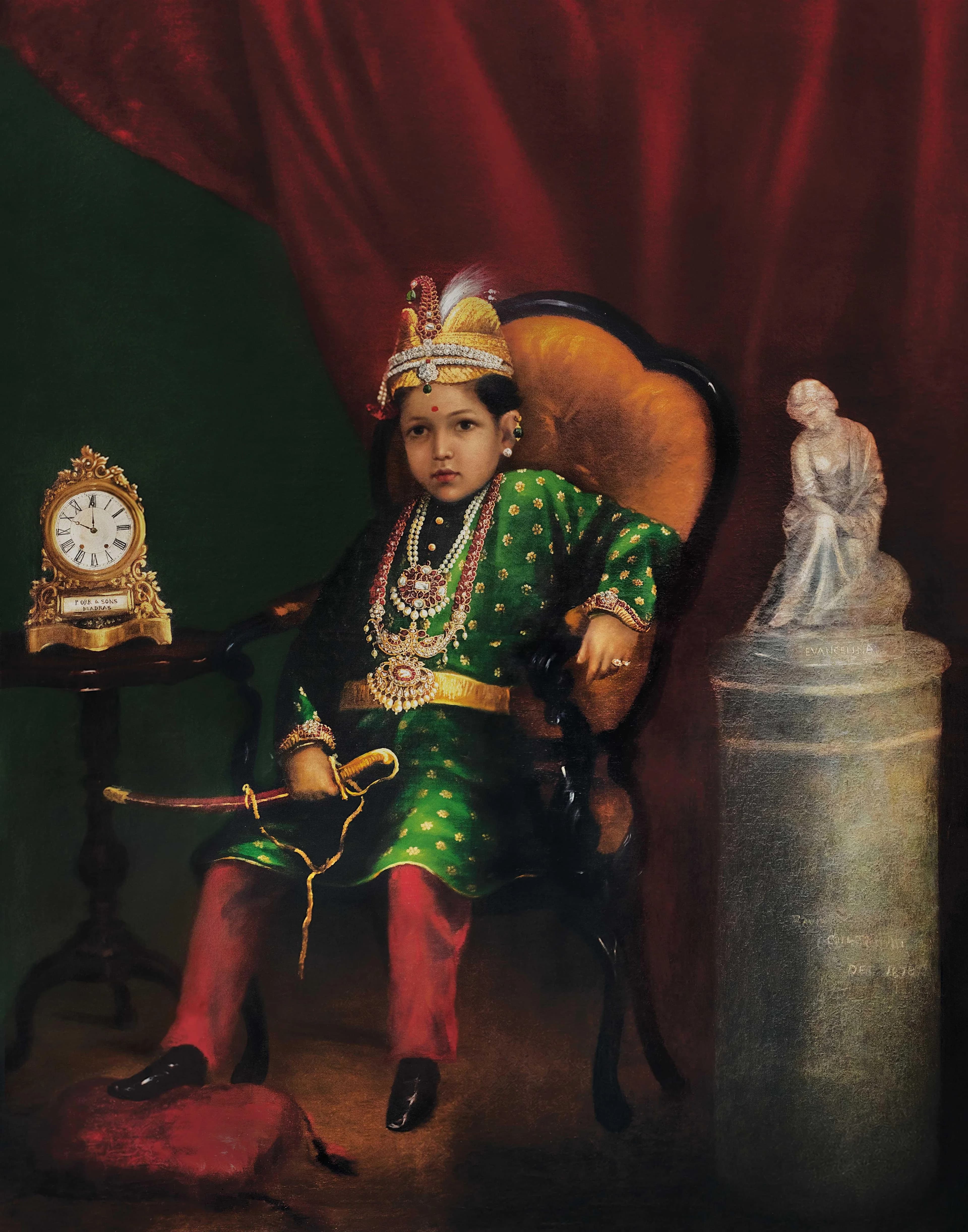
Recent auction results demonstrate significant value appreciation in vintage art categories. A circa-1930 Santhal Woman by Jamini Roy sold for ₹32.15 lakh at AstaGuru in 2025 against an estimate of ₹15-20 lakh. Similarly, Archibald Herman Muller's circa-1930 mythological painting Surya fetched ₹1.86 crore against an estimate of ₹15-20 lakh. The category extends beyond paintings, with a set of 35 handwritten letters and 14 envelopes by Rabindranath Tagore selling for ₹5.90 crore at AstaGuru in 2025. As reported by Business Standard, collectors are exploring earlier and less frequently encountered areas of Indian art history as prices for established modernists have risen.
Raja Ravi Varma's paintings demonstrate the cultural significance of vintage art through their widespread distribution. According to Raja Rama Varma, a descendant of the painter, Ravi Varma's works travelled from Kerala and Travancore to all over India, even reaching the Himalayas. His paintings and oleographs connected with people across classes, extending beyond royal patrons to common people. This ability to cross class and geographical boundaries was unusual for the time, with his imagery finding a place in ordinary Indian homes through reproductions.
For new collectors entering the vintage art market, experts recommend several key considerations. Tushar Jiwarajka, founder of Volte Art Projects, emphasizes that art is a scarce asset, especially if the artist is no longer alive, while Avinash Luthria, Sebi-registered investment adviser, warns that the art market has its own cycles of euphoria and despair. Abhishek Kumar, Sebi-registered investment adviser, highlights that art is highly illiquid and generates no returns while held, with significant transaction costs that erode returns. Experts recommend limiting art allocation to 2-5% of total net worth and maintaining a minimum holding period of 7-10 years for credible portfolio management.
Vintage art requires specialized care and preservation techniques different from contemporary pieces. According to Business Standard, humidity, moisture, temperature fluctuations, sunlight, and dust all impact vintage items. Cleaning old surfaces cannot be approached in the same way as contemporary finishes, with specialist artisans often required for traditional work. Moisture, careless cleaning, or inappropriate restoration can damage items that have survived for decades. The Japanese Wabi-sabi framework suggests finding beauty in imperfections, where patina can be desirable and faded pigment can reveal age. Poor storage and maintenance can reduce an artwork's value significantly, with Vikram Bachhawat, director at Aakriti Art Gallery, noting that repainting, relining, tears and fading reduce an artwork's value.