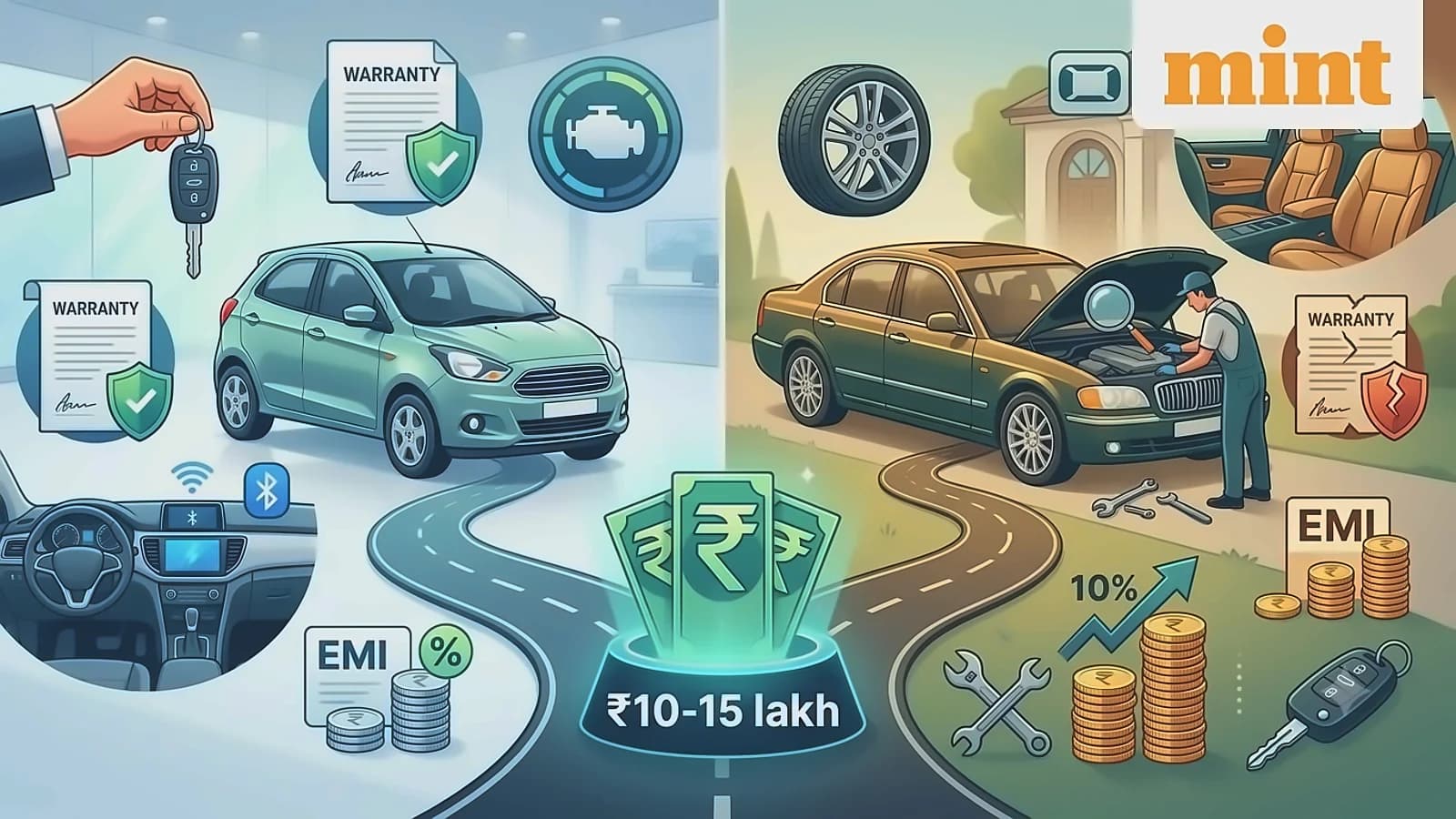
Closing a vehicle loan is a significant step in your credit journey, but it's not enough to secure full ownership. According to reports from Mint, removing hypothecation from your vehicle's Registration Certificate (RC) is the final step to enjoy complete ownership benefits. Hypothecation means the lender has a legal claim to the vehicle as collateral, and until it is removed, the RC continues to reflect joint ownership. This essential process is often overlooked by vehicle owners, creating potential complications for future transactions.
The process has become more streamlined with digitization of RTO services through the Vahan portal. As reported by Mint, in some states where lenders are fully integrated with the system, hypothecation removal can happen automatically once the loan is closed. In these cases, the updated RC is issued without requiring manual intervention. However, in states where manual verification is required, vehicle owners must follow a structured process to complete the removal.
The first step involves ensuring the loan is fully repaid and collecting key documents from the lender. According to Mint, these include the 'No Objection Certificate' (NOC), loan closure letter, and 'Form 35' (Notice of Termination of Hypothecation Agreement). The bank will issue Form 35 in duplicate—one copy for the RTO and one for your records. The NOC is valid only for 30 days from the date of issue, making timely application crucial. As noted in recent used car buying guides, buyers must verify that the RC shows 'NIL' hypothecation status if the loan is cleared.
The removal process can be initiated online through the Vahan portal by validating vehicle details and uploading required documents. As reported by Mint, the application fee varies from ₹100 to ₹500 depending on the state RTO. The process requires submitting Form 35 copies, bank NOC, loan closure letter, original RC, valid insurance certificate, PUC certificate, and proof of identity and address. The updated RC without bank/lender name is dispatched within 7-14 days of successful application. Recent used car checklists emphasize the importance of verifying that all pending challans are disclosed and that the seller's identity matches the RC ownership.
Vehicle owners must complete the hypothecation removal process promptly to avoid unnecessary complications. According to Mint, an active hypothecation can delay resale transactions and raise concerns for buyers who treat the vehicle as an encumbered asset. In cases of total loss due to theft or irreparable damage, if hypothecation remains present, the insurer will first settle outstanding loan amounts directly with the lender before paying the remaining claim to the owner. However, if hypothecation has been removed after loan closure, the entire claim amount is paid directly to the owner without lender involvement. Recent used car buying guides highlight that pending challans become the buyer's responsibility after ownership transfer, making timely verification crucial for successful transactions.