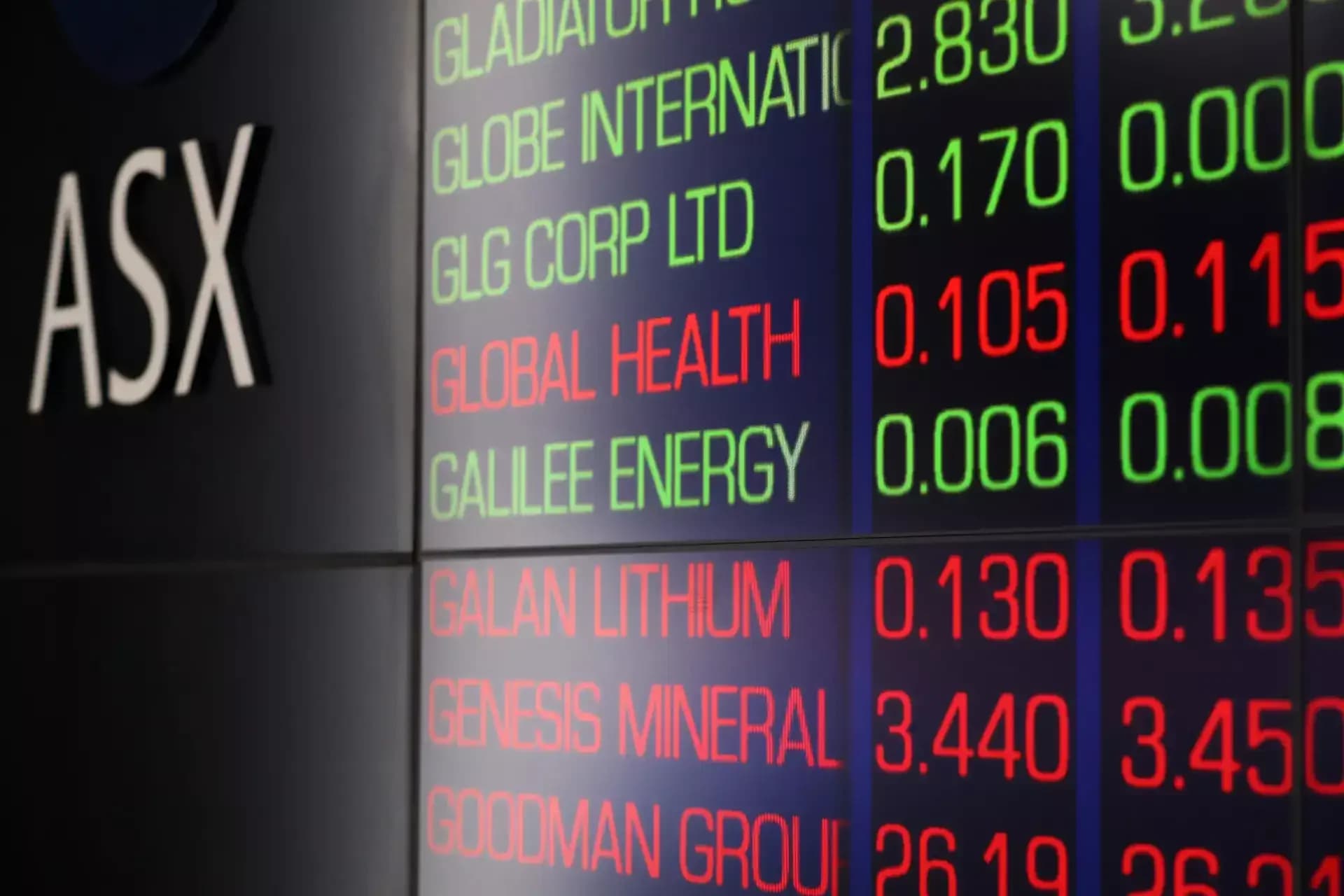
The US-Iran peace agreement announced on June 15, 2026 has triggered a significant rally in precious metals markets, with gold futures rising for the third consecutive session. According to latest market data, the front-month Comex gold for June delivery surged 2.7%, reaching $4,328.00 per ounce, marking its highest settlement in a week. Silver also experienced a notable increase, climbing 3.2% to $70.066 per ounce. This development has been driven by the announcement of a U.S.-Iran peace agreement that is set to reopen the Strait of Hormuz, easing concerns regarding global inflation and interest rates while leading to a weaker dollar and making gold more affordable for international investors.
Despite the easing of geopolitical tensions, experts recommend avoiding decisions based solely on rupee expectations. As reported by Mint, Prasanna Pathak, Deputy CEO of The Wealth Company Mutual Fund, emphasized that currency movements are influenced by several factors including interest rate differentials, economic growth and global capital flows, making them difficult to predict consistently. Saurabh Patwa from Quest Investment Managers advised that investors should assess whether their exposure has moved beyond their intended allocation and rebalance if necessary, rather than making fresh aggressive allocations based on currency expectations.
The recent peace agreement has created significant opportunities for mining companies, particularly those involved in gold production. Harmony Gold Mining Co Ltd (HMY), with a market cap of $10.95 billion, is positioned as a key player in the gold mining sector. The company demonstrates strong financial fundamentals with a GF Score™ of 92/100, indicating strong potential for long-term returns, and maintains a solid Altman Z-Score of 5.61, suggesting a strong financial position. As gold prices continue to rise due to the geopolitical developments, mining companies like Harmony Gold Mining Co Ltd stand to benefit significantly given their direct involvement in gold production.
The peace agreement may have changed near-term outlook for oil prices and currencies, but experts believe investors should focus on ensuring temporary market events haven't resulted in unintended portfolio concentrations. As reported by Mint, the consensus among experts is that the development should be treated as an opportunity to review allocations and rebalance where necessary. For long-term investors, the lesson from the conflict is about building portfolios that can withstand geopolitical events without requiring frequent strategy changes, rather than predicting such events. The current rally in gold futures and mining stocks reflects the market's response to the reopening of the Strait of Hormuz, a critical passage for oil shipments, expected to stabilize oil prices and reduce inflationary pressures.